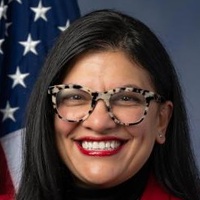
Legislative Activity
Track Rashida's sponsored bills, co-sponsored legislation, and voting record
This Act mandates that federal officers involved in border security or immigration enforcement must clearly display identification, wear visible uniforms or badges, and not conceal their faces during detentions or arrests.

Dan Goldman
Representative
NY
Dan Goldman
Representative
NY
The No Secret Police Act of 2025 mandates that federal officers engaged in border security or immigration enforcement must clearly display identification, wear visible badges or uniforms, and refrain from wearing face coverings during detentions or arrests. This ensures accountability by requiring clear identification from Department of Homeland Security (DHS) personnel. The bill also requires the Secretary of Homeland Security to report on current tactical gear policies and research methods to improve officer visibility.
The PRIDE Act of 2025 extends the deadline for certain married couples to file joint tax returns based on past marriage recognition and updates the Internal Revenue Code with gender-neutral language for all married individuals.
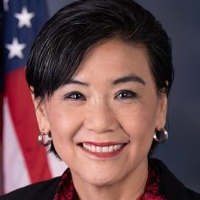
Judy Chu
Representative
CA
Judy Chu
Representative
CA
The PRIDE Act of 2025 aims to update the Internal Revenue Code to ensure equal treatment and inclusive language for all married couples. It extends the deadline for certain legally married couples to file amended joint tax returns following past recognition changes. Furthermore, the bill systematically replaces gendered terms like "husband," "wife," and "his" with gender-neutral language such as "spouse" and "individual" across numerous tax provisions. These changes ensure consistent, equitable application of tax law regardless of gender identity.
This Act strengthens protections for domestic violence and stalking survivors by expanding the definition of an intimate partner, clarifying dating relationships, protecting children of dating partners, and prohibiting firearm possession for those convicted of misdemeanor stalking.

Debbie Dingell
Representative
MI
Debbie Dingell
Representative
MI
The Strengthening Protections for Domestic Violence and Stalking Survivors Act of 2025 updates federal law to broaden protections against intimate partner violence by expanding the definition of an "intimate partner" to explicitly include dating relationships. This bill also introduces a new federal prohibition on firearm possession for individuals convicted of a misdemeanor crime of stalking. These changes aim to close loopholes and ensure comprehensive safety measures for survivors of abuse and harassment.
The SHADE Act establishes a HUD-led grant program to fund tree planting and maintenance in historically redlined or urban heat island areas, prioritizing projects with strong community support and resident protection plans.
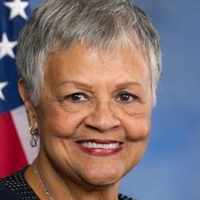
Bonnie Watson Coleman
Representative
NJ
Bonnie Watson Coleman
Representative
NJ
The Saving Hazardous And Declining Environments (SHADE) Act establishes a new, federally funded grant program to support tree planting initiatives. Administered by HUD and the Forest Service, this program prioritizes projects in historically redlined or urban heat island areas. Applicants must submit detailed 5-year plans that include community involvement and strategies to prevent resident displacement. The program is authorized to receive $50 million annually from fiscal year 2026 through 2036.
The Equal Dignity for Married Taxpayers Act updates the Internal Revenue Code by replacing gendered language with gender-neutral terms to ensure consistent and equal application of tax laws for all legally married couples.
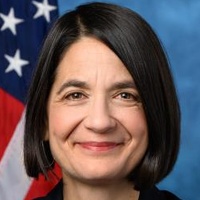
Becca Balint
Representative
VT
Becca Balint
Representative
VT
The Equal Dignity for Married Taxpayers Act modernizes the Internal Revenue Code by replacing gendered language with gender-neutral terms for all legally married couples. This sweeping update ensures consistency across tax rules regarding filing status, deductions, and credits, regardless of the spouses' genders. The bill clarifies that married couples are often treated as a single entity for specific tax purposes. Ultimately, this legislation updates terminology to reflect equal dignity for all married taxpayers.
This resolution expresses Congressional support for LGBTQI+ equality and designates June 26th as "LGBTQI+ Equality Day" to commemorate key legal victories and highlight the need for further anti-discrimination legislation.
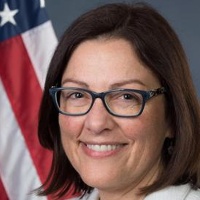
Suzan DelBene
Representative
WA
Suzan DelBene
Representative
WA
This resolution expresses the House's support for the rights and freedoms of LGBTQI+ individuals across the United States. It recognizes key Supreme Court decisions that advanced equality and highlights the ongoing need for comprehensive legal protections against discrimination. Finally, the bill proposes designating June 26th as "LGBTQI+ Equality Day" to commemorate these legal victories.
This resolution officially recognizes and celebrates the history, contributions, and ongoing importance of Caribbean Americans to the United States.

André Carson
Representative
IN
André Carson
Representative
IN
This resolution formally recognizes and celebrates the history, culture, and significant contributions of Caribbean Americans to the United States. It highlights the deep roots and ongoing influence of the Caribbean diaspora across all sectors of American life. The bill encourages the nation to observe National Caribbean American Heritage Month and affirms that this diversity enriches the country.
This resolution formally recognizes the history, achievements, and ongoing struggles of the LGBTQIA+ community while encouraging the celebration of Pride Month and affirming that LGBTQIA+ rights are human rights.

Al Green
Representative
TX
Al Green
Representative
TX
This resolution formally recognizes the history, achievements, and ongoing struggles of the LGBTQIA+ community in the United States. It serves as a declaration by Congress affirming that LGBTQIA+ rights are human rights and encouraging the celebration of Pride Month. The bill highlights key historical milestones, legal victories, and acknowledges the persistent challenges and violence faced by the community. Ultimately, it commits the U.S. to continuing the pursuit of full equality for all citizens.
The CONNECT for Health Act of 2025 permanently expands Medicare telehealth access by removing geographic restrictions, increasing practitioner flexibility, bolstering program integrity, and mandating supports for quality remote care delivery.
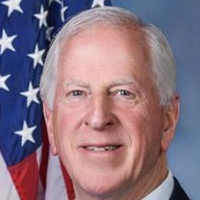
Mike Thompson
Representative
CA
Mike Thompson
Representative
CA
The CONNECT for Health Act of 2025 significantly expands and permanently secures access to Medicare telehealth services by eliminating outdated geographic restrictions and allowing more practitioners to offer remote care. The bill also strengthens program integrity by dedicating funds for telehealth oversight while clarifying rules around providing necessary technology to patients. Finally, it mandates the creation of tailored educational resources and public reporting to improve quality measurement and transparency in remote care delivery.
This Act increases the federal matching rate for Medicaid expenditures made by states on expanded maternal health services provided by qualified providers.
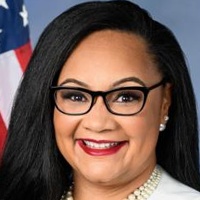
Nikema Williams
Representative
GA
Nikema Williams
Representative
GA
The Advancing Maternal Health Equity Under Medicaid Act aims to increase federal funding for states that expand Medicaid coverage for maternal health services. This bill provides a higher Federal Medical Assistance Percentage (FMAP) to cover 90% of a state's increased expenditures on qualifying prenatal, postpartum, and related support services. To qualify, states must use these funds to supplement existing spending and improve the quality and capacity of care delivered by designated maternity providers and perinatal health workers.
This Act expands healthcare access by ensuring lawfully present immigrants are eligible for federal health programs, treating federally authorized presence as lawful presence for coverage, and giving states the option to cover undocumented individuals under Medicaid and CHIP.

Pramila Jayapal
Representative
WA
Pramila Jayapal
Representative
WA
The Health Equity and Access under the Law for Immigrant Families Act of 2025 aims to significantly expand healthcare access for immigrants legally residing in the U.S. by ensuring eligibility for federal health programs like Medicaid and CHIP, removing state restrictions for permanent residents, and treating federally authorized presence as lawful presence for coverage purposes. The bill also provides states the option to extend Medicaid and CHIP coverage to individuals without lawful status. Furthermore, it removes citizenship barriers preventing certain non-citizens from accessing ACA marketplace subsidies and updates Medicare eligibility rules.
This Act bans application and screening fees for federally assisted rentals, caps late fees, mandates pre-lease disclosures, and prohibits reporting defined "junk fees" to credit bureaus.

Maxwell Frost
Representative
FL
Maxwell Frost
Representative
FL
The End Junk Fees for Renters Act aims to protect tenants by banning application and screening fees for federally assisted rental units. It also caps late rent fees at 3% and mandates that landlords disclose key rental history and maintenance information before a lease is signed. Furthermore, the bill directs federal agencies to define "junk fees" and prohibits landlords from reporting unpaid junk fees to credit bureaus.
The Break the Cycle of Violence Act establishes federal frameworks within HHS and the Department of Labor to fund community-based violence intervention programs and provide job training for opportunity youth in high-violence areas.
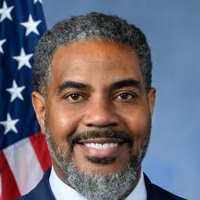
Steven Horsford
Representative
NV
Steven Horsford
Representative
NV
The Break the Cycle of Violence Act establishes federal frameworks within HHS and the Department of Labor to address community violence through prevention and economic opportunity. Title I creates grants for community-based violence intervention programs focused on evidence-based, trauma-responsive care, while Title II funds job training for opportunity youth in high-violence areas. Overall, the bill aims to reduce violence by investing in local services and creating pathways to employment rather than relying solely on incarceration.
This resolution formally adopts the "Equity or Else" platform as a guiding framework for the House of Representatives to draft and implement policy promoting racial and economic equity across core quality-of-life institutions.
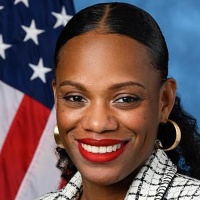
Summer Lee
Representative
PA
Summer Lee
Representative
PA
This resolution formally adopts the "Equity or Else" platform as a guiding framework for the House of Representatives in drafting and implementing policy. It commits the House to prioritizing racial and economic equity across core quality-of-life issues like healthcare, housing, and education. The bill demands a zero-tolerance approach to systemic racism by centering the voices of directly impacted communities in creating solutions. Ultimately, it serves as a strong statement that achieving true national strength requires comprehensive, equitable reform.
The Women’s Health Protection Act of 2025 establishes a federal right to access abortion services before fetal viability and protects the right to travel for care, overriding state restrictions that place burdens on abortion access not imposed on comparable medical procedures.
Judy Chu
Representative
CA
Judy Chu
Representative
CA
The Women’s Health Protection Act of 2025 establishes a federal statutory right to access abortion services, prohibiting medically unnecessary restrictions that impede care before fetal viability. This Act protects the right of patients to travel across state lines to receive reproductive healthcare and allows providers to offer services free from state interference that conflicts with established medical standards. It preempts conflicting state and local laws and provides robust enforcement mechanisms for individuals and the Attorney General to challenge violations.
This Act prohibits states from interfering with or penalizing individuals who provide, receive, or facilitate abortion services that are legal in the state where the service occurs, including interstate travel for such care.

Lizzie Fletcher
Representative
TX
Lizzie Fletcher
Representative
TX
The Ensuring Women’s Right to Reproductive Freedom Act prohibits states from interfering with or retaliating against individuals who provide or receive abortion services that are legal in the state where the service occurs. This protection extends to interstate travel for legal abortion care and the movement of FDA-approved abortion-related drugs across state lines. Individuals harmed by violations can sue in federal court for damages and legal fees.
This bill mandates the Department of Veterans Affairs to automatically enroll eligible veterans into its patient system and requires a GAO study on the best methods for notifying them of this enrollment.
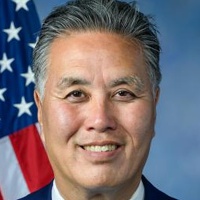
Mark Takano
Representative
CA
Mark Takano
Representative
CA
The Ensuring Veterans’ Smooth Transition (EVEST) Act mandates the Department of Veterans Affairs (VA) to automatically enroll eligible veterans into its patient enrollment system upon receiving their separation information from the Department of Defense. The VA must notify these veterans of their enrollment and provide clear instructions on how to opt out or enroll later. Furthermore, the Government Accountability Office (GAO) is required to study and recommend the most effective methods for notifying veterans about this automatic enrollment.
The Downpayment Toward Equity Act of 2025 establishes a HUD grant program to provide financial assistance for down payments and closing costs to first-time, first-generation homebuyers.
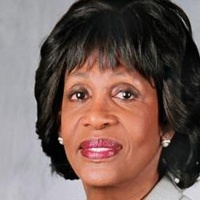
Maxine Waters
Representative
CA
Maxine Waters
Representative
CA
The Downpayment Toward Equity Act of 2025 establishes a new HUD grant program to provide downpayment and closing cost assistance to first-time, first-generation homebuyers. Funds will be distributed to states and eligible entities based on need and the number of qualified buyers in their area. Assistance is capped per buyer and requires mandatory homeownership counseling, with strict rules governing eligible mortgages and primary residency requirements.
This bill establishes a pilot program to provide grants for training family caregivers of young children with autism or developmental disabilities in essential skills to improve child well-being and community involvement.
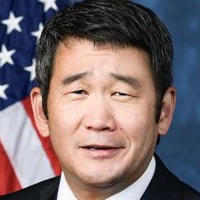
Dave Min
Representative
CA
Dave Min
Representative
CA
The Autism Family Caregivers Act of 2025 establishes a new pilot program to award grants for evidence-based skills training to family caregivers of children with autism or developmental disabilities. This training aims to improve child well-being and community engagement by focusing on communication, daily living skills, and caregiver self-care. The Secretary of Health and Human Services will oversee the program, which requires grantees to establish diverse advisory committees and report annually on program effectiveness. Funding is authorized through fiscal year 2030 to support at least 25 entities across multiple states.
This Act mandates that pharmacies must promptly provide or facilitate access to FDA-approved contraception and related medications, prohibiting discrimination and interference in dispensing these products.
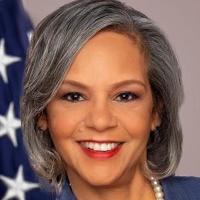
Robin Kelly
Representative
IL
Robin Kelly
Representative
IL
The Access to Birth Control Act establishes federal requirements for pharmacies to ensure timely and non-discriminatory access to FDA-approved contraception and related medications. Pharmacies must immediately dispense in-stock items or promptly refer customers or order out-of-stock products. This law prohibits employee interference, misinformation, or harassment, while also setting penalties for non-compliance.