Legislative Activity
Track Rashida's sponsored bills, co-sponsored legislation, and voting record
The Hands Off Our Great Lakes Act prohibits the federal government from renaming any of the five Great Lakes and nullifies Executive Order 14422.

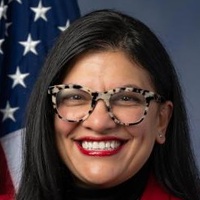
Debbie Dingell
Representative
MI
Debbie Dingell
Representative
MI
The "Hands Off Our Great Lakes Act" prohibits the federal government from altering or renaming any of the five Great Lakes. Additionally, the bill formally nullifies Executive Order 14422, which sought to rename Lake Ontario, and prevents the use of federal funds to implement any similar renaming initiatives in the future.
The High School Voter Empowerment Act of 2026 mandates that public high schools serve as voter registration agencies and conduct annual registration drives for eligible students.
Frederica Wilson
Representative
FL
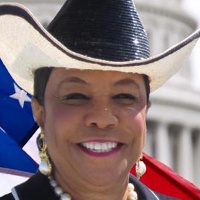
Frederica Wilson
Representative
FL
The High School Voter Empowerment Act of 2026 designates all public high schools as official voter registration agencies. The bill requires these schools to conduct annual voter registration drives for eligible students and establishes a federal reimbursement program to cover the costs of these initiatives. Additionally, it authorizes states to provide voting equipment for student-led elections to encourage civic engagement.
The CEDS Act requires comprehensive economic development strategies to include plans for increasing access to affordable, quality care services, such as child care and elder care.
Nikema Williams
Representative
GA
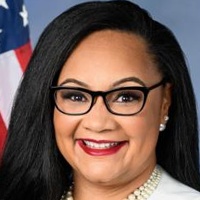
Nikema Williams
Representative
GA
The Care is an Economic Development Strategy (CEDS) Act mandates that regional economic development plans incorporate strategies to increase access to affordable, quality care services. By integrating child care, early childhood education, disability support, and elder care into economic planning, the bill aims to strengthen the workforce and local economies. The Secretary of Commerce will provide implementation guidance to ensure these essential services are prioritized in future development strategies.
This bill mandates that biomedical products developed with federal research funding be sold at reasonable prices, ensuring U.S. residents are not charged more than the median price in comparable high-income nations.
Valerie Hoyle
Representative
OR
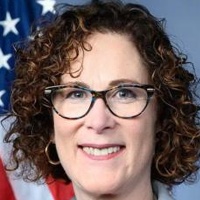
Valerie Hoyle
Representative
OR
The Affordable Pricing for Taxpayer-Funded Prescription Drugs Act of 2026 mandates that biomedical products developed with federal research funding must be sold at a reasonable price. It establishes a price ceiling based on international benchmarks to ensure U.S. residents do not pay more than those in other high-income nations. Additionally, the bill increases transparency by requiring manufacturers to publicly report clinical trial costs, federal subsidies, and annual revenues for these products.
The Stable Homes Act establishes a HUD-funded pilot program to provide grants to local governments for the creation of pre-filing eviction diversion programs that offer mediation, legal assistance, and rental support to tenants.
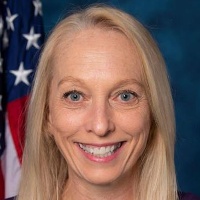
Mary Scanlon
Representative
PA
Mary Scanlon
Representative
PA
The Stable Homes Act establishes a HUD-funded pilot program to help local governments create or expand pre-filing eviction diversion programs. These programs aim to resolve housing disputes through mediation, rental assistance, and legal support before formal eviction proceedings can begin. The initiative includes rigorous reporting requirements and oversight to ensure fairness, with the program set to run through 2030.
This legislation imposes sweeping economic sanctions on Russia to isolate its economy and defense sector while extending existing sanctions on Iran for an additional five years.
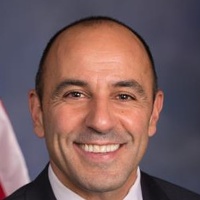
Jimmy Panetta
Representative
CA
Jimmy Panetta
Representative
CA
The Lindsey O. Graham Sanctioning Russia and Iran Act of 2026 imposes sweeping economic and financial sanctions on Russia to isolate its economy and disrupt its defense and energy sectors. The bill further mandates the extension of existing sanctions against Iran through 2031 to maintain ongoing diplomatic and economic pressure. Together, these measures aim to penalize foreign aggression and restrict access to U.S. capital and markets.
The Green New Deal for Public Housing Act provides federal grants to modernize, decarbonize, and expand public housing while creating workforce development opportunities and strengthening resident participation.
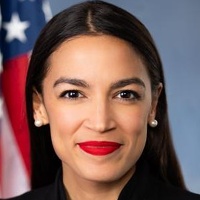
Alexandria Ocasio-Cortez
Representative
NY
Alexandria Ocasio-Cortez
Representative
NY
The Green New Deal for Public Housing Act aims to modernize the nation’s public housing stock by investing in deep energy retrofits, sustainability upgrades, and climate resilience. The bill establishes grant programs to transition public housing to zero-carbon, energy-efficient homes while simultaneously fostering economic empowerment through workforce development and resident-led management. By repealing restrictive caps on housing units and prioritizing tenant participation, the legislation seeks to improve living standards, ensure long-term habitability, and expand the availability of safe, affordable housing.
The Protect American Values Act prohibits the use of federal funds to implement or enforce the Department of Homeland Security’s "Public Charge Ground of Inadmissibility" rule.
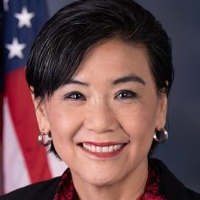
Judy Chu
Representative
CA
Judy Chu
Representative
CA
The Protect American Values Act seeks to block the implementation and enforcement of the Department of Homeland Security’s "Public Charge Ground of Inadmissibility" rule. The bill asserts that this policy harms immigrant families and local economies by restricting access to essential food, housing, and medical care. Consequently, it prohibits the use of federal funds to carry out or administer the rule.
The Green New Deal for Health Act establishes a comprehensive federal framework to modernize healthcare infrastructure, decarbonize the medical sector, and strengthen community resilience against climate-related health threats.
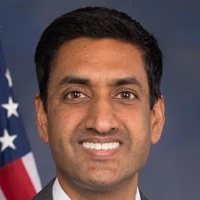
Ro Khanna
Representative
CA
Ro Khanna
Representative
CA
The Green New Deal for Health Act establishes a comprehensive federal framework to address the health impacts of climate change by creating dedicated oversight, investing in resilient infrastructure, and decarbonizing the healthcare sector. The bill prioritizes environmental justice by directing significant funding and resources toward vulnerable communities, expanding the public health workforce, and protecting essential care access. Ultimately, this legislation aims to transform the U.S. healthcare system into a sustainable, climate-ready network capable of safeguarding patient health during extreme weather and public health emergencies.
The Green New Deal for Public Schools Act provides comprehensive federal funding to modernize school infrastructure for climate resilience, expand staffing and educational equity, and increase support for special education and high-poverty districts.
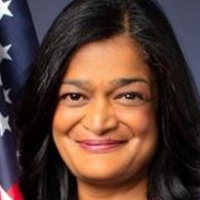
Pramila Jayapal
Representative
WA
Pramila Jayapal
Representative
WA
The Green New Deal for Public Schools Act provides comprehensive federal funding to modernize school infrastructure, transition to zero-carbon facilities, and expand educational staffing. The bill establishes grant programs to improve school climate resiliency, increase support for special education, and provide targeted aid to high-poverty districts. By prioritizing environmental justice communities and community-based planning, the legislation aims to create safer, more equitable learning environments while preparing schools to serve as hubs during climate-related disasters.
This resolution expresses support for designating July as "Disability Pride Month" to promote awareness, celebrate the disability community, and combat discrimination.
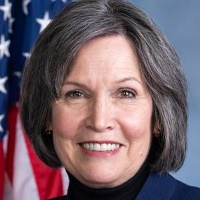
Betty McCollum
Representative
MN
Betty McCollum
Representative
MN
This resolution supports the designation of July as "Disability Pride Month." It encourages communities across the United States to observe the month with celebrations while actively working to end discrimination and exclusion against people with disabilities.
The Transportation for Reentry Act mandates that federally funded transit agencies provide one year of free public transportation to individuals recently released from prison to support their successful reintegration into the community.
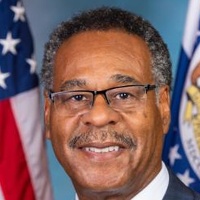
Emanuel Cleaver
Representative
MO
Emanuel Cleaver
Representative
MO
The Transportation for Reentry Act requires federally funded transit agencies to provide one year of free public transportation to individuals recently released from prison. By removing barriers to reliable travel, this program aims to support successful community reintegration, improve access to essential services, and reduce recidivism rates. The bill provides federal funding and administrative support to help transit agencies implement and manage these reentry services.
The Eleanor Smith Inclusive Home Design Act of 2026 mandates that all new residential construction receiving federal financial assistance must incorporate "visitability" standards to ensure accessibility for individuals with disabilities.

Janice Schakowsky
Representative
IL
Janice Schakowsky
Representative
IL
The Eleanor Smith Inclusive Home Design Act of 2026 mandates that all new single-family homes and townhouses built with federal assistance must meet "visitable" accessibility standards. The bill establishes strict enforcement mechanisms, including plan reviews and legal remedies, to ensure that federally funded housing is accessible to individuals with disabilities.
The TPS Review Act strengthens judicial oversight and establishes congressional review for decisions to terminate Temporary Protected Status, ensuring that such actions are evidence-based and subject to legal challenge.
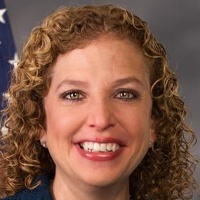
Debbie Wasserman Schultz
Representative
FL
Debbie Wasserman Schultz
Representative
FL
The Temporary Protected Status (TPS) Review Act strengthens oversight of government decisions to terminate TPS designations by reinstating judicial review and requiring that such decisions be supported by a comprehensive administrative record. The bill also subjects TPS terminations to congressional review under the Congressional Review Act, ensuring these decisions are subject to greater accountability. Additionally, it provides legal protections for beneficiaries by automatically staying terminations during the pendency of any legal challenges.
This bill directs the Small Business Administration to develop and distribute multilingual educational resources to help small business owners and their employees understand their rights and responsibilities regarding immigration enforcement and compliance.
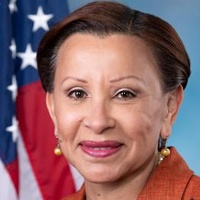
Nydia Velázquez
Representative
NY
Nydia Velázquez
Representative
NY
The Businessowner Immigration Rights and Responsibilities Information Act of 2026 directs the Small Business Administration to develop and distribute comprehensive educational resources regarding immigration enforcement. These materials will provide small business owners and their employees with clear guidance on their legal rights, compliance responsibilities, and best practices for handling enforcement actions. Available in multiple languages, these resources aim to ensure businesses are well-informed and prepared while navigating complex immigration regulations.
The Right to IVF Act of 2026 establishes a nationwide right to fertility care, mandates comprehensive insurance coverage for reproductive services, and expands access to fertility treatments for veterans and federal employees.
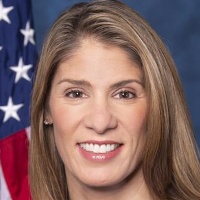
Lori Trahan
Representative
MA
Lori Trahan
Representative
MA
The Right to IVF Act of 2026 establishes a nationwide statutory right to access assisted reproductive technology (ART) and intrauterine insemination (IUI) while prohibiting states from imposing restrictive barriers. The bill further expands family-building support by mandating comprehensive fertility coverage across private insurance, Medicare, Medicaid, and federal employee health plans. Additionally, it guarantees expanded access to fertility services and preservation for military service members and veterans.
The Federal Naming Standards Act prohibits naming federal buildings, facilities, or programs after elected officials or political appointees until at least 10 years after they leave office.
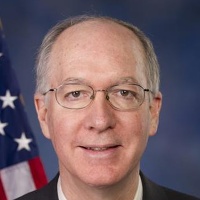
Bill Foster
Representative
IL
Bill Foster
Representative
IL
The Federal Naming Standards Act prohibits federal buildings, facilities, and programs from being named after elected officials or political appointees until at least 10 years after they leave office. This legislation aims to prevent the politicization of public property by establishing strict waiting periods and oversight by agency inspectors general. It includes specific exemptions for deceased individuals and historical or educational contexts.
This bill reauthorizes the Accelerating Access to Critical Therapies for ALS Act through 2031 while enhancing grant oversight, safety reporting requirements, and FDA strategic planning for rare neurodegenerative diseases.

Mike Quigley
Representative
IL
Mike Quigley
Representative
IL
The Accelerating Access to Critical Therapies for ALS Reauthorization Act of 2026 extends vital funding for ALS research and clinical trial programs through 2031. This legislation strengthens oversight by enhancing grant review processes, improving safety reporting requirements, and mandating a comprehensive five-year FDA action plan to accelerate the development of treatments for rare neurodegenerative diseases.
This bill prohibits domestic business entities with significant foreign ownership or influence from contributing to U.S. elections and mandates strict certification requirements to ensure political spending is free from foreign control.
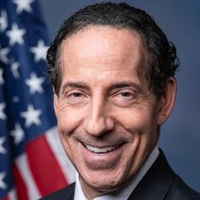
Jamie Raskin
Representative
MD
Jamie Raskin
Representative
MD
The Get Foreign Money Out of United States Elections Act strengthens existing laws to prevent foreign influence in American elections. It expands the ban on foreign contributions to include domestic companies with significant foreign ownership or control and mandates strict certification requirements for corporate political action committees. These measures ensure that foreign entities cannot influence federal, state, or local elections through direct spending, ballot initiatives, or Super PACs.
This bill establishes new payment rules and prohibitions for Pharmacy Benefit Managers (PBMs) administering federal employee health plans, including penalties for noncompliance.
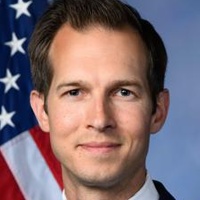
Jake Auchincloss
Representative
MA
Jake Auchincloss
Representative
MA
This bill, the Pharmacists Fight Back in Federal Employee Health Benefit Plans Act, establishes new rules for Pharmacy Benefit Managers (PBMs) administering prescription drug benefits for federal employees. It mandates specific reimbursement rates for pharmacies and prohibits PBMs from engaging in anti-competitive practices like steering patients to affiliated pharmacies. The legislation also institutes civil monetary penalties and potential debarment for PBMs that fail to comply with these new requirements.