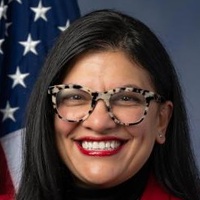
Legislative Activity
Track Rashida's sponsored bills, co-sponsored legislation, and voting record
The True Justice Act of 2025 establishes a five-year, \$50 million grant program administered by the Attorney General to improve and fund legal representation and training for public defenders immediately following an arrest.

Summer Lee
Representative
PA
Summer Lee
Representative
PA
The True Justice Act of 2025 establishes a new grant program administered by the Attorney General to significantly improve public defense services nationwide. These funds are designated for providing legal representation to indigent defendants immediately following arrest and for specialized training of defense attorneys. Congress further affirms its belief that the constitutional right to counsel must extend to all post-arrest proceedings, not just the initial trial.
This bill removes certain numerical caps on specific employment-based immigrant visas to better allocate green cards.
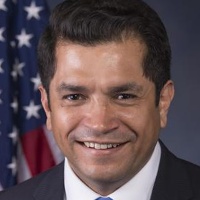
Jimmy Gomez
Representative
CA
Jimmy Gomez
Representative
CA
The Protect Vulnerable Immigrant Youth Act aims to reform employment-based immigration by eliminating certain numerical caps for specific visa categories. This legislation amends existing law to adjust how preference statuses are allocated for these immigrant visas. The overall goal is to streamline the process for certain employment-based immigrants.
The STOCK Act 2.0 expands financial reporting requirements for government officials, bans certain conflicted investments including cryptocurrencies for high-ranking officials, applies ethics rules to Federal Reserve bank leaders, and mandates electronic, publicly searchable financial disclosure forms across the government.
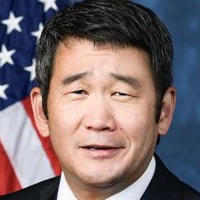
Dave Min
Representative
CA
Dave Min
Representative
CA
The STOCK Act 2.0 significantly enhances ethics and transparency rules for federal officials by requiring timely reporting of government payments received by covered persons and their families. It expands ethics oversight to include Federal Reserve bank leaders and bans high-ranking officials from holding or trading specific assets, including cryptocurrencies. Furthermore, the bill mandates that financial disclosure and transaction reports across Congress, the Executive Branch, and the Judiciary be made publicly available in searchable, accessible online databases.
The Pride In Mental Health Act of 2025 establishes grants and federal initiatives to improve mental health services and research specifically for LGBTQ+ youth while explicitly prohibiting the use of funds for conversion therapy.
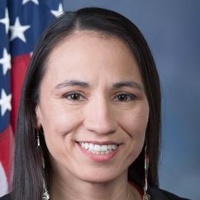
Sharice Davids
Representative
KS
Sharice Davids
Representative
KS
The Pride In Mental Health Act of 2025 establishes a new grant program to improve mental health and substance abuse outcomes for LGBTQ+ youth through culturally competent care and resource development. These grants strictly prohibit funding for conversion therapy practices. The bill also mandates federal data collection on LGBTQ+ youth mental health and requires a report on the needs of those in foster care.
This act repeals certain provisions of the Protection of Lawful Commerce in Arms Act and allows federal gun trace information to be discoverable and admissible in civil proceedings.

Eric Swalwell
Representative
CA
Eric Swalwell
Representative
CA
The Equal Access to Justice for Victims of Gun Violence Act of 2025 repeals key provisions of the Protection of Lawful Commerce in Arms Act. This legislation allows federal gun trace information to be discoverable and admissible as evidence in civil lawsuits and administrative hearings. The bill aims to provide victims of gun violence with greater access to relevant data in legal proceedings.
This Act immediately repeals specific Executive Orders that harm LGBTQI+ individuals and prohibits the use of federal funds to enforce them, while preserving the President's constitutional authority.

Becca Balint
Representative
VT
Becca Balint
Representative
VT
The No Place for LGBTQ+ Hate Act immediately repeals specific Executive Orders that reportedly targeted or limited the rights of LGBTQI individuals across federal areas like employment and healthcare. This legislation also prohibits the use of any federal funds to enforce or carry out these canceled orders. The bill includes a savings provision to ensure it does not infringe upon the President's existing constitutional authority.
The POST GRAD Act reinstates the government's authority to issue Federal Direct Stafford Loans to graduate and professional students until June 30, 2025, without requiring standard rulemaking procedures.
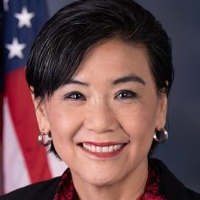
Judy Chu
Representative
CA
Judy Chu
Representative
CA
The POST GRAD Act reinstates the government's authority to issue Federal Direct Stafford Loans to graduate and professional students through June 30, 2025. This legislation amends existing law to extend the availability of these federal loans. Furthermore, the Act allows these changes to take effect immediately by exempting them from standard federal rulemaking and public comment requirements.
This act updates WIC terminology and mandates the development of specialized nutrition education and outreach for participants affected by substance use disorder.

Eugene Vindman
Representative
VA
Eugene Vindman
Representative
VA
The Supporting Healthy Mothers and Infants Act of 2025 updates the WIC program by replacing outdated terminology with "substance use disorder." This legislation mandates the development of specialized, evidence-based nutrition education materials for WIC participants affected by substance use disorder. Furthermore, it requires the Secretary of Agriculture to actively reach out to and support these families through training and resource sharing. The Act authorizes $1 million for fiscal year 2026 to implement these new support activities.
This Act formally establishes the science-based Advisory Committee on Immunization Practices (ACIP) and mandates that changes to the National Vaccine Injury Compensation Program's injury table must be supported by a preponderance of the best available scientific evidence.

Frank Pallone
Representative
NJ
Frank Pallone
Representative
NJ
The Family Vaccine Protection Act formally establishes the Advisory Committee on Immunization Practices (ACIP) into law, requiring all its vaccine recommendations to be based on the preponderance of the best available, peer-reviewed scientific evidence. This legislation mandates strict procedures for the CDC Director to adopt or reject ACIP advice, including notifying Congress if a recommendation is rejected. Furthermore, the Act requires that any changes to the National Vaccine Injury Compensation Program's injury table must also be supported by strong scientific evidence.
This resolution urgently calls for the immediate delivery of humanitarian aid to address the severe hunger crisis in Gaza and demands the administration use all diplomatic means to secure hostage release and end the fighting.

Pramila Jayapal
Representative
WA
Pramila Jayapal
Representative
WA
This resolution formally expresses the House of Representatives' grave concern over the severe humanitarian crisis and widespread suffering of civilians in Gaza, alongside the plight of hostages. It urgently calls on the Administration to use all diplomatic tools to secure the release of all hostages. Furthermore, the bill demands the immediate delivery and secure distribution of essential humanitarian aid to address the catastrophic hunger crisis in Gaza.
This act mandates that FHA loan disclosures include comparable VA loan information and requires lenders to ask about military service on standard loan applications.

Brittany Pettersen
Representative
CO
Brittany Pettersen
Representative
CO
The VA Loan Informed Disclosure Act of 2025 (VALID Act) aims to increase awareness of VA loan options among homebuyers. It requires lenders to include comparative information about potential VA loan terms on standard FHA disclosure forms. Furthermore, the Act mandates that the Uniform Residential Loan Application include a prominent question regarding the applicant's military service.
The Fair and Equal Housing Act of 2025 updates the Fair Housing Act to explicitly prohibit discrimination based on sexual orientation and gender identity, and expands protections against discrimination based on association or perceived identity.
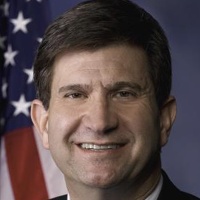
Bradley Schneider
Representative
IL
Bradley Schneider
Representative
IL
The Fair and Equal Housing Act of 2025 significantly updates existing fair housing laws to explicitly prohibit discrimination based on sexual orientation and gender identity. This legislation broadens protections to cover discrimination based on association or perceived association with protected groups. Furthermore, it strengthens anti-intimidation measures related to these newly defined protected characteristics in housing matters.
This resolution expresses the House's sense that Congress should enact the Older Americans Bill of Rights to guarantee older Americans the right to live with dignity and independence through improved healthcare, financial security, and community participation.

Janice Schakowsky
Representative
IL
Janice Schakowsky
Representative
IL
This resolution expresses the sense of the House that Congress should enact the Older Americans Bill of Rights to affirm the right of older Americans to live with dignity and independence. It highlights severe challenges facing seniors, including poverty, food insecurity, social isolation, and gaps in healthcare access. The proposed Bill of Rights calls for strengthening Social Security and Medicare, lowering prescription drug costs, and ensuring access to affordable housing and essential services. Ultimately, this measure urges Congress to establish comprehensive protections for the financial security, health, and community participation of older adults.
This resolution expresses strong support for designating June 6, 2025, as National Gun Violence Awareness Day and June 2025 as National Gun Violence Awareness Month to honor victims and promote awareness.
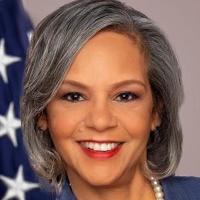
Robin Kelly
Representative
IL
Robin Kelly
Representative
IL
This resolution expresses strong support for designating June 6, 2025, as "National Gun Violence Awareness Day" and June 2025 as "National Gun Violence Awareness Month." It highlights the devastating scale of gun violence in the U.S., recognizing the thousands of annual deaths and injuries across all demographics. The bill encourages Americans to wear orange on the designated day to honor victims and promote increased awareness and community action regarding gun safety.
The Menstrual Equity For All Act of 2025 mandates the provision of free menstrual products across schools, correctional facilities, federal buildings, and workplaces, while also expanding coverage under Medicaid and eliminating sales tax on these essential items.

Grace Meng
Representative
NY
Grace Meng
Representative
NY
The Menstrual Equity For All Act of 2025 aims to eliminate period poverty by ensuring access to free menstrual products across various sectors of society. This comprehensive bill mandates the availability of these essential supplies in K-12 schools, colleges, correctional facilities, federal buildings, and workplaces with over 100 employees. Furthermore, it expands coverage under Medicaid, allocates specific funding through social service block grants and TANF programs, and prohibits states from taxing menstrual products.
The PAID Act prohibits auto insurers from using personal factors like education, occupation, homeownership, and credit scores to determine insurance eligibility and rates.
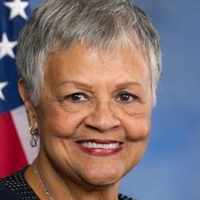
Bonnie Watson Coleman
Representative
NJ
Bonnie Watson Coleman
Representative
NJ
The PAID Act, or Prohibit Auto Insurance Discrimination Act, bans private auto insurers from using personal factors like education, occupation, homeownership, and credit scores to set rates or determine eligibility. This legislation aims to prevent income-based discrimination by prohibiting the use of these proxies, which often result in higher premiums for lower-income drivers. Insurers must report to the FTC every two years to prove their models do not unfairly discriminate based on protected characteristics. Violations can result in significant civil penalties enforced by the FTC and allow consumers to sue for damages.
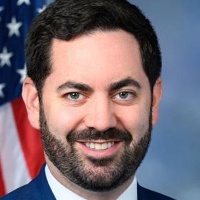
The VET PFAS Act expands VA healthcare and disability benefits for veterans and their families exposed to toxic PFAS chemicals at military installations by establishing presumptions of service connection for related illnesses.
Michael Lawler
Representative
NY
Michael Lawler
Representative
NY
The VET PFAS Act expands healthcare and disability benefits for veterans and their families exposed to toxic PFAS chemicals, like PFOA, at contaminated military installations. It establishes a presumption of service connection for specific related illnesses, making it easier for veterans to receive disability compensation. Furthermore, the bill grants eligible family members access to VA medical care, contingent upon future appropriations. The VA is also required to report annually on the implementation and utilization of these new provisions for three years.
This Act establishes federal grants to fund unarmed mobile crisis response teams that divert nonviolent mental health and substance use calls away from police dispatch.

Adam Smith
Representative
WA
Adam Smith
Representative
WA
The 911 Community Crisis Responders Act of 2025 establishes a federal grant program to fund unarmed mobile crisis response teams across the nation. These teams will respond to nonviolent emergencies involving mental health, homelessness, or substance use, diverting calls away from law enforcement. Grantees must use funds for training, system upgrades, and reporting on program impact, including demographic data on those served. The goal is to ensure trained professionals provide appropriate, de-escalated care for individuals in crisis.
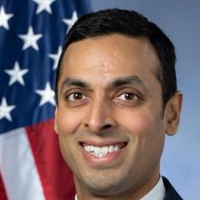
This resolution expresses Congressional support for designating May 2025 as Progressive Supranuclear Palsy Awareness Month to promote awareness, support patients, and encourage research for this devastating brain disease.
Suhas Subramanyam
Representative
VA
Suhas Subramanyam
Representative
VA
This resolution expresses the support of Congress for designating May 2025 as Progressive Supranuclear Palsy (PSP) Awareness Month. The designation aims to bring national attention to the serious, progressive brain disease that currently has no cure. By raising awareness, the bill seeks to support patients, improve diagnosis, and boost research efforts for better treatments.
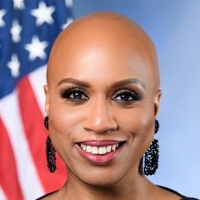
This resolution designates a day in May 2025 as "Disability Reproductive Equity Day" to highlight the urgent need to protect and advance reproductive rights and healthcare access for people with disabilities.
Ayanna Pressley
Representative
MA
Ayanna Pressley
Representative
MA
This resolution designates a day in May 2025 as "Disability Reproductive Equity Day" to highlight the severe barriers and historical injustices faced by people with disabilities regarding reproductive healthcare access. It emphasizes the fundamental right of this population to make autonomous decisions about their sexual and reproductive lives, free from discrimination and coercion. The measure calls for increased attention and future action to ensure equitable reproductive freedom for all individuals with disabilities.