Legislative Activity
Track Rashida's sponsored bills, co-sponsored legislation, and voting record
This Act establishes increased federal research, public education, and provider information dissemination regarding uterine fibroids, with a focus on addressing racial disparities and non-hysterectomy treatment options.
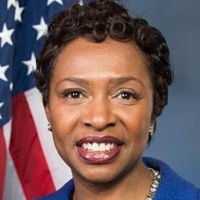
Yvette Clarke
Representative
NY
Yvette Clarke
Representative
NY
The Stephanie Tubbs Jones Uterine Fibroid Research and Education Act of 2025 aims to significantly increase federal research, public education, and provider awareness regarding uterine fibroids. The bill mandates expanded research coordination across federal agencies and authorizes funding to study the condition, which disproportionately affects minority women. It also requires the creation of public awareness campaigns detailing non-hysterectomy treatment options and mandates data collection on Medicaid/CHIP spending for fibroid treatments.
This act enables states to apply for federal waivers to create and implement their own comprehensive, budget-neutral universal healthcare systems.
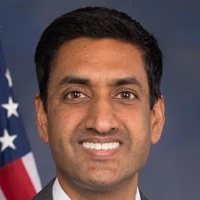
Ro Khanna
Representative
CA
Ro Khanna
Representative
CA
The State-Based Universal Health Care Act of 2025 empowers individual states to design and implement their own comprehensive universal health coverage systems. States can apply for a federal waiver to bypass most existing federal health insurance rules, including major parts of the ACA, Medicare, and Medicaid. In exchange for waiving federal funding, the federal government will transfer equivalent funds to the state, provided the state commits to covering at least 95% of its residents within five years and maintains budget neutrality for the federal government.
This resolution expresses support for designating July 10th as Journeyman Lineworkers Recognition Day to honor the dangerous and essential service provided by these workers, especially during crises.

Linda Sánchez
Representative
CA
Linda Sánchez
Representative
CA
This resolution expresses support for designating July 10th as Journeyman Lineworkers Recognition Day. It honors the essential and dangerous work performed by these skilled professionals, especially their heroic efforts in restoring power after major disasters. The day serves to recognize their service and remember those who have lost their lives performing this vital work.
This resolution recognizes climate change as a major public health threat and directs federal agencies, particularly HHS, to coordinate action, speed up funding for resilience, and prioritize the health and safety of vulnerable populations.

Nanette Barragán
Representative
CA
Nanette Barragán
Representative
CA
This resolution recognizes that climate change poses a severe and growing threat to public health across the United States, exacerbating issues like poor air quality, extreme heat, and disease spread. It directs federal agencies, particularly the Department of Health and Human Services (HHS), to rapidly deploy climate resilience funding and technical assistance, prioritizing underserved communities. Furthermore, the bill calls for strengthening key public health offices, improving data collection, and ensuring worker safety through new heat standards. Ultimately, it mandates coordinated federal action to prepare the healthcare system and protect vulnerable populations from climate-related health crises.
The PBM Reform Act of 2025 mandates sweeping changes to increase transparency, ensure fair pharmacy access in Medicare, and prohibit abusive spread pricing in Medicaid by holding Pharmacy Benefit Managers accountable for their financial dealings.
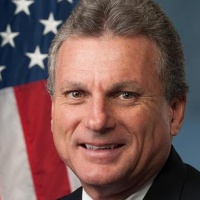
Earl Carter
Representative
GA
Earl Carter
Representative
GA
The Pharmacy Benefit Manager Reform Act of 2025 aims to increase transparency and accountability across the prescription drug supply chain. It mandates fairer pharmacy network access for Medicare beneficiaries and imposes strict new financial reporting and service fee requirements on Pharmacy Benefit Managers (PBMs) working with Medicare and private health plans. Furthermore, the bill establishes new federal mechanisms to accurately track drug acquisition costs in Medicaid and explicitly bans the practice of "spread pricing" in state Medicaid contracts.
The Clean Shipping Act of 2025 establishes mandatory, phased reductions for marine fuel carbon intensity on covered voyages and sets a goal for zero emissions from ships docked at U.S. ports by 2035.
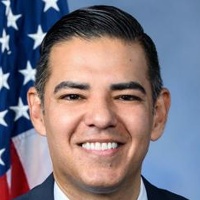
Robert Garcia
Representative
CA
Robert Garcia
Representative
CA
The Clean Shipping Act of 2025 establishes mandatory, phased-in standards to drastically reduce the carbon intensity of marine fuels used by large vessels on voyages involving U.S. ports, aiming for a 100% reduction by 2050. Additionally, the bill requires the EPA to set standards ensuring that ships docked or anchored in U.S. coastal waters achieve zero greenhouse gas and air pollutant emissions by 2035, or the maximum feasible reduction if that goal proves impossible. The legislation also mandates annual public reporting on fuel usage and emissions data for compliance monitoring.
This resolution formally recognizes the significant and persistent wage gap disproportionately affecting Black women in the United States.
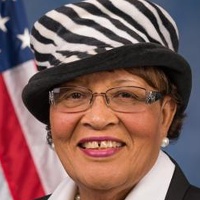
Alma Adams
Representative
NC
Alma Adams
Representative
NC
This resolution formally recognizes the significant and persistent wage disparity faced by Black women in the United States. It highlights that despite existing equal pay laws, Black women earn substantially less than their male counterparts, leading to massive lifetime earnings losses. Congress uses this measure to emphasize the urgent need to address both racial and gender discrimination to achieve true pay equity.
This Act mandates the FDA to systematically reassess the safety of at least ten existing food chemicals every three years, beginning in 2026, and take regulatory action if any substance is found to be unsafe.

Janice Schakowsky
Representative
IL
Janice Schakowsky
Representative
IL
The Food Chemical Reassessment Act of 2025 mandates that the FDA systematically review the safety of at least ten existing food ingredients every three years, starting in 2026. This process targets substances like certain food additives, colorings, and GRAS ingredients, prioritizing those with the greatest public health concern. If a reassessment determines a substance is unsafe, the FDA is required to take regulatory action, such as repealing approvals or revoking authorizations. The Act also establishes an advisory committee to guide the FDA on reassessment standards and methods.
This bill amends the Family and Medical Leave Act to allow spouses of active duty service members to qualify for leave after only 90 days of employment with their current employer.

Marilyn Strickland
Representative
WA
Marilyn Strickland
Representative
WA
This bill amends the Family and Medical Leave Act (FMLA) to lower the eligibility requirements for spouses of active duty service members. It reduces the required length of employment from 12 months to just 90 days for these military spouses to qualify for job-protected leave. This change ensures military families can access necessary leave more quickly during active duty periods.
This Act updates the Higher Education Act of 1965 to explicitly include Head Start and Early Head Start programs under the definition of eligible community services.
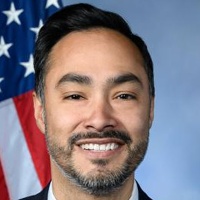
Joaquin Castro
Representative
TX
Joaquin Castro
Representative
TX
The Head Start for Our Future Act updates the Higher Education Act of 1965 by replacing the term "literacy training" with "child development and early learning" when describing eligible community services. This change explicitly ensures that Head Start and Early Head Start programs are recognized under this section of the law. The bill aims to better reflect the comprehensive nature of early childhood education services.
This resolution affirms that diversity, equity, inclusion, and accessibility are fundamental U.S. values necessary to combat persistent discrimination across all sectors of American life.
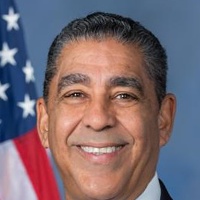
Adriano Espaillat
Representative
NY
Adriano Espaillat
Representative
NY
This resolution affirms that diversity, equity, inclusion, and accessibility (DEIA) are fundamental American values necessary to combat persistent discrimination across society. It details how systemic barriers in housing, wealth, healthcare, education, and employment negatively impact marginalized groups. Ultimately, the bill encourages all sectors to actively pursue DEIA initiatives as a means to strengthen the economy and ensure equal opportunity for all citizens.
This bill prohibits executive branch personnel from using physical force or detention against a Member of Congress conducting official oversight activities on federally controlled property, provided the Member is not posing an immediate physical danger.

Summer Lee
Representative
PA
Summer Lee
Representative
PA
The Congressional Oversight Access Act prohibits federal employees from using physical force or detaining a Member of Congress who is conducting official oversight activities on federally controlled property. This protection applies when the Member identifies themselves and is not posing a clear and immediate physical danger. The Act ensures Congress can monitor federal operations while still respecting necessary security screenings.
This bill establishes a Special Envoy for Humanitarian Aid Workers to investigate incidents, improve coordination, and mandates the suspension of security aid to countries that unlawfully harm aid workers.

Chellie Pingree
Representative
ME
Chellie Pingree
Representative
ME
This bill establishes a new Special Envoy for Humanitarian Aid Workers within the State Department to investigate serious incidents involving U.S.-supported aid workers abroad. It mandates the suspension of security assistance to foreign countries that unlawfully kill or injure aid workers and refuse to cooperate with investigations. Furthermore, the bill creates an interagency group, led by the Envoy, to conduct detailed inquiries into every death or detention of an aid worker during an active mission.
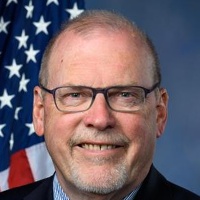
This act modernizes the Fairness to Contact Lens Consumers Act by requiring online sellers to accept electronic prescription transfers, mandating encrypted email for health information, and updating required seller contact information.
H. Griffith
Representative
VA
H. Griffith
Representative
VA
The Contact Lens Prescription Verification Modernization Act updates existing law to ensure consumers can easily obtain and use their contact lens prescriptions. This bill specifically requires online sellers to provide a HIPAA-compliant method for electronically receiving prescriptions and mandates encryption for any protected health information sent via email. Additionally, it updates seller record-keeping requirements to include customer email addresses.
This bill establishes a grant program to help high-need school districts hire, retain, and diversify mental health professionals to expand student access to services.

Rosa DeLauro
Representative
CT
Rosa DeLauro
Representative
CT
The Expanding Access to Mental Health Services in Schools Act of 2025 establishes a new federal grant program to increase the number of mental health professionals in high-need school districts. This funding is specifically designed to help eligible agencies recruit, hire, and retain school counselors, psychologists, and social workers. Grantees must demonstrate a plan to improve student-to-provider ratios and report annually on staffing improvements and provider retention.
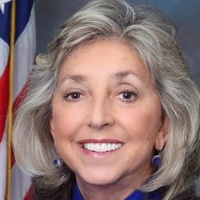
The GLOBE Act of 2025 mandates comprehensive U.S. government action to protect and promote the human rights of LGBTQI people globally through diplomatic strategies, targeted sanctions, foreign aid reform, and immigration protections.
Dina Titus
Representative
NV
Dina Titus
Representative
NV
The GLOBE Act of 2025 establishes a comprehensive U.S. strategy to champion and protect the human rights of LGBTQI people globally through diplomacy, targeted sanctions, and foreign assistance reforms. The bill mandates enhanced reporting on violence and discrimination while creating new interagency roles and funds to support international advocacy and development efforts. Furthermore, it reforms immigration law to better protect LGBTQI asylum seekers and ensures inclusive implementation of U.S. global health programs like PEPFAR.
This Act provides immediate, substantial financial compensation to the last living survivors of the 1921 Tulsa Race Massacre for over a century of unaddressed federal inaction and injustice.

Al Green
Representative
TX
Al Green
Representative
TX
This Act establishes direct federal compensation for the few remaining survivors of the 1921 Tulsa Race Massacre. It mandates a substantial payment of over \$20 million to each living survivor as compensation for over a century of unaddressed injustice. Receiving this payment will finalize all related claims against the United States government.
The Treat and Reduce Obesity Act of 2025 expands Medicare coverage for intensive behavioral therapy for obesity and mandates Part D coverage for certain weight management medications for eligible beneficiaries.

Mike Kelly
Representative
PA
Mike Kelly
Representative
PA
The Treat and Reduce Obesity Act of 2025 aims to combat the growing obesity epidemic, particularly among older adults, by expanding access to intensive behavioral therapy under Medicare. This bill mandates that Medicare Part D plans begin covering FDA-approved medications for obesity and weight management in individuals with related health conditions. Finally, it requires the Secretary of HHS to report regularly to Congress on the implementation and coordination of these new obesity treatment strategies.
This Act repeals key sanctions legislation against the Syrian Arab Republic, including the Syria Human Rights Accountability Act of 2012 and the Caesar Syria Civilian Protection Act of 2019.

Ilhan Omar
Representative
MN
Ilhan Omar
Representative
MN
The Syria Sanctions Relief Act aims to significantly reduce existing U.S. restrictions on the Syrian Arab Republic. This legislation specifically repeals key prior measures, including the Syria Human Rights Accountability Act of 2012 and the Caesar Syria Civilian Protection Act of 2019. The bill's primary effect is the removal of these established sanctions and accountability measures.
The Housing not Handcuffs Act of 2025 prohibits federal penalties against homeless individuals for life-sustaining activities on public land unless a strictly defined, adequate indoor alternative is available.

Pramila Jayapal
Representative
WA
Pramila Jayapal
Representative
WA
The Housing not Handcuffs Act of 2025 prohibits federal agencies from penalizing individuals experiencing homelessness for engaging in necessary life-sustaining activities on public land. This protection applies unless a strictly defined, fully accommodating indoor alternative space is available. The Act establishes a "necessity defense" in court for survival-related infractions and allows individuals to sue to enforce these new rights.