Legislative Activity
Track Tony's sponsored bills, co-sponsored legislation, and voting record
This bill repeals the requirement for financial institutions to collect and report specific data on small business loans to reduce compliance costs and improve small business access to credit.
Roger Williams
Representative
TX
Roger Williams
Representative
TX
The 1071 Repeal to Protect Small Business Lending Act aims to eliminate the mandatory data collection and reporting requirements for small business loans previously established under Section 704B of the Equal Credit Opportunity Act. Proponents argue that these regulations impose unnecessary compliance costs on lenders, potentially hindering small business access to credit. This bill repeals those specific reporting mandates to reduce regulatory burdens on financial institutions.
This bill raises the resource limits for Supplemental Security Income (SSI) eligibility starting in 2025 and ties future limits to inflation adjustments.
Danny Davis
Representative
IL
Danny Davis
Representative
IL
The SSI Savings Penalty Elimination Act significantly raises the resource limits for individuals and couples applying for Supplemental Security Income (SSI), starting in 2025. This legislation also mandates that these new resource limits will be automatically adjusted annually to keep pace with inflation. The goal is to allow SSI applicants to save more money without losing eligibility for benefits.
This act restricts long-term retail concession agreements on U.S. military bases with businesses controlled by specified foreign nations, subject to national security review and potential termination.
Pat Harrigan
Representative
NC
Pat Harrigan
Representative
NC
The Military Installation Retail Security Act of 2025 restricts the Department of Defense from entering into long-term retail concessions agreements with businesses controlled by designated foreign nations. This legislation mandates that existing agreements with such retailers undergo immediate review by CFIUS for national security risks, with termination required if control by a covered nation is confirmed. Exceptions are permitted only if the service provided is vital and security risks are mitigated, requiring notification to Congress.
The SAFETY Act of 2025 ensures U.S. food and agricultural producers can continue using established common product names in foreign markets despite international restrictions.
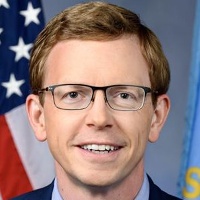
Dusty Johnson
Representative
SD
Dusty Johnson
Representative
SD
The SAFETY Act of 2025 aims to protect American agricultural and food exporters by legally safeguarding their right to use common product names in foreign markets. It establishes a clear definition for "common name," explicitly listing many existing U.S. food, wine, and beer terms that are protected from foreign restrictions. Furthermore, the bill mandates that U.S. trade representatives actively negotiate to ensure these common names remain usable in all future international trade agreements.
This resolution expresses support for designating the last Saturday of March 2025 as Welcome Home Vietnam Veterans Day to honor those who served in the Vietnam War.

Linda Sánchez
Representative
CA
Linda Sánchez
Representative
CA
This resolution expresses support for designating the last Saturday of March 2025 as "Welcome Home Vietnam Veterans Day." The bill officially honors the service and sacrifices of all U.S. Armed Forces members who served in Vietnam between 1961 and 1975. It encourages nationwide observance to recognize their contributions and support their transition back to civilian life.
This Act establishes a competitive grant program to test incentives aimed at increasing the purchase of naturally nutrient-rich dairy products by households using SNAP benefits.
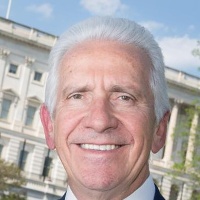
Jim Costa
Representative
CA
Jim Costa
Representative
CA
The Dairy Nutrition Incentive Program Act of 2025 establishes a new federal program to test methods for increasing the purchase of nutrient-rich dairy products by households using SNAP benefits. The Secretary of Agriculture will award competitive grants to eligible entities to implement incentive projects at the point of sale. These projects must prioritize direct incentives that can only be spent on buying more eligible dairy items, and all projects will undergo rigorous independent evaluation. The Act also mandates the transition of existing dairy incentive projects into this new framework without interruption.
The SHORT Act redefines "firearm" to exclude certain collector's items, eliminates disparate federal treatment of short-barreled rifles and shotguns, preempts state and local registration/tax burdens on these items, and mandates the destruction of certain existing NFA records.
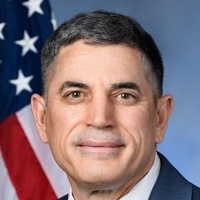
Andrew Clyde
Representative
GA
Andrew Clyde
Representative
GA
The SHORT Act aims to reform federal firearms regulations by redefining what constitutes a "firearm" for tax purposes, largely excluding antique or collector's items. It eliminates disparate federal treatment for short-barreled rifles and shotguns used lawfully and preempts state and local governments from imposing special taxes or registration requirements on these specific weapons. Furthermore, the bill mandates the destruction of certain existing federal registration and transfer records related to defined firearms.
This bill excludes certain veterinary student loan repayments and forgiveness amounts from taxable income to encourage veterinarians to practice in rural areas.
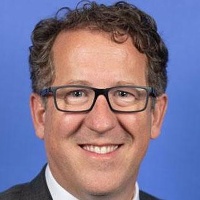
Adrian Smith
Representative
NE
Adrian Smith
Representative
NE
The Rural Veterinary Workforce Act aims to encourage more veterinarians to serve in underserved rural areas by making participation in certain loan repayment or forgiveness programs more financially appealing. This bill amends the tax code to exclude amounts received through qualifying state or federal veterinary student loan repayment programs from being counted as taxable income. This tax benefit applies to amounts received for taxable years beginning after December 31, 2025.
This bill establishes national reciprocity for concealed carry permits, allowing individuals legally permitted to carry in their home state to carry a handgun in any other state that allows concealed carry.
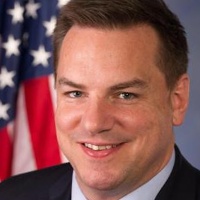
Richard Hudson
Representative
NC
Richard Hudson
Representative
NC
The Constitutional Concealed Carry Reciprocity Act of 2025 establishes a national standard for carrying concealed handguns across state lines. This act allows individuals legally permitted to carry in their home state to carry concealed in any other state that allows its residents to carry concealed firearms. The law does not override private property restrictions or prohibitions on government property, but it provides protections and legal recourse for those traveling in compliance with the new federal standard.
This act eliminates the Optional Practical Training (OPT) program, ending work authorization for F-1 visa students unless explicitly authorized by future Congressional action.

Paul Gosar
Representative
AZ
Paul Gosar
Representative
AZ
The Fairness for High-Skilled Americans Act of 2025 aims to eliminate the Optional Practical Training (OPT) program, which currently allows F-1 student visa holders to gain temporary work authorization after completing their studies. This bill removes the government's authority to grant such work permission unless explicitly authorized by a future Act of Congress.
This act establishes a federally funded national public safety campaign utilizing television, radio, and digital media to warn against illegally passing stopped school buses.
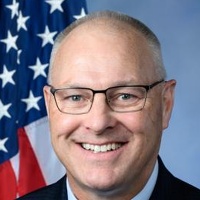
Pete Stauber
Representative
MN
Pete Stauber
Representative
MN
The Brake for Kids Act of 2025 establishes a national public safety messaging campaign to raise awareness about the dangers of illegally passing a stopped school bus. This initiative will be funded using existing allocations from the Infrastructure Investment and Jobs Act. The required campaign must utilize broad outreach methods, including national television, radio, social media, and edge service advertising.
This bill establishes the voluntary Congressional Fitness Challenge, outlining required physical tests, administration guidelines, performance benchmarks, data collection, and recognition levels for eligible participants aged 6 to 17.
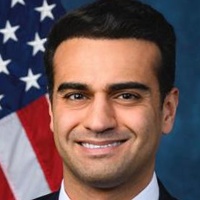
Abraham Hamadeh
Representative
AZ
Abraham Hamadeh
Representative
AZ
This bill establishes the voluntary Congressional Fitness Challenge, a national program designed to promote physical fitness among eligible participants aged 6 to 17. The Challenge requires participants to complete five specific fitness tests, with performance benchmarks set based on age and gender. Successful participants who meet performance goals will receive official recognition certificates signed by Congressional leadership. The legislation also outlines administrative rules for testing, data collection, and allows lawmakers to use office funds for related activities.
This bill impeaches Chief Judge James E. Boasberg for allegedly abusing his power to obstruct the President's enforcement of immigration laws related to a designated terrorist organization.
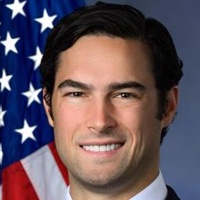
Brandon Gill
Representative
TX
Brandon Gill
Representative
TX
This bill impeaches Judge James E. Boasberg, Chief Judge for the District of Columbia, for high crimes and misdemeanors. The impeachment accuses Boasberg of abusing judicial power for political gain by obstructing the President's authority to remove aliens associated with a designated Foreign Terrorist Organization. Boasberg is accused of interfering with the President's enforcement of laws, jeopardizing national safety, and undermining the separation of powers. The bill seeks his removal from office.
This act exempts surplus broiler hatching eggs sold to egg breakers from a specific current shell egg rule while mandating a new regulation for their handling and temperature control.
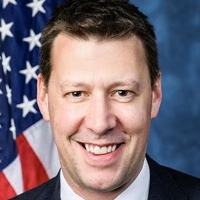
Josh Riley
Representative
NY
Josh Riley
Representative
NY
The Lowering Egg Prices Act of 2025 aims to reduce costs by streamlining the handling of surplus broiler hatching eggs sold to commercial egg breakers for processing into liquid egg products. This bill exempts these specific surplus eggs from certain current shell egg regulations. It also mandates the creation of a new rule within 180 days to establish appropriate temperature and time limits for holding these eggs before processing.
Supports the designation of March 18, 2025, as "National Agriculture Day" and recognizes the importance of agriculture in the United States.
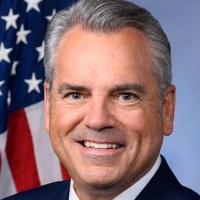
Mark Alford
Representative
MO
Mark Alford
Representative
MO
This resolution expresses support for designating March 18, 2025, as "National Agriculture Day." It recognizes and celebrates the significant impact of agriculture as a leading industry in the United States.
The Innovative FEED Act of 2025 establishes a new regulatory pathway under the FDA for substances added to animal food intended to modify digestive byproducts, reduce foodborne pathogens, or alter gut function without providing nutrition.
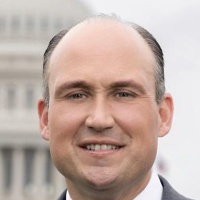
Nicholas Langworthy
Representative
NY
Nicholas Langworthy
Representative
NY
The Innovative FEED Act of 2025 establishes a new regulatory category for "zootechnical animal food substances" intended to modify animal digestive byproducts or reduce foodborne pathogens without treating disease. This bill mandates that these new substances must undergo the standard food additive approval process with the FDA, requiring petitioners to provide extensive data on their intended effects. Approval is contingent upon proving the substance achieves its claimed function under proposed use conditions, and all resulting animal food must carry a specific disclaimer stating it is not for disease treatment.
The Air America Act of 2025 authorizes one-time monetary awards to former Air America employees or their survivors for service supporting the CIA between 1950 and 1976.
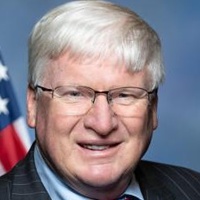
Glenn Grothman
Representative
WI
Glenn Grothman
Representative
WI
The Air America Act of 2025 recognizes the sacrifices of former Air America employees who served the U.S. Government between 1950 and 1976. This Act authorizes a one-time monetary award, up to $40,000 plus potential additional amounts, for qualifying service members or their survivors. The CIA Director is responsible for administering these payments, which are capped at a total of $60 million, and establishing the application procedures. Decisions made by the Director regarding these awards are final and not subject to judicial review.
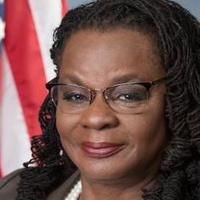
This bill establishes a new process for taxpayers to receive refunds for previously paid federal excise tax on certain indelibly dyed fuels that were actually exempt from the tax.
Gwen Moore
Representative
WI
Gwen Moore
Representative
WI
This bill amends the Internal Revenue Code to establish a new process for taxpayers to receive refunds for taxes previously paid on certain indelibly dyed fuels that are actually exempt from that tax. Specifically, it adds a new section allowing the Secretary to repay the tax paid on eligible dyed diesel fuel or kerosene that qualified for an exemption under existing law. These provisions apply to fuel removed from a terminal 180 days after the Act is enacted.
The Major Richard Star Act ensures that military retirees with combat-related disabilities can concurrently receive their full military retirement pay and VA disability compensation without reduction.

Gus Bilirakis
Representative
FL
Gus Bilirakis
Representative
FL
The Major Richard Star Act ensures that military retirees with combat-related disabilities can receive both their military retirement pay and VA disability compensation concurrently without reduction. This law removes previous restrictions that caused military retirement pay to be offset by VA disability payments for these specific cases. The changes take effect on the first day of the month following the Act's enactment.
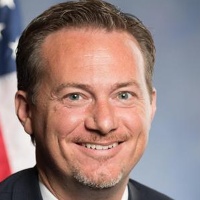
This Act prevents the President and the Secretary of HHS from using emergency declarations to impose gun control measures and prohibits federal disaster rules from restricting the possession or transfer of firearms, ammunition, and related accessories.
Michael Cloud
Representative
TX
Michael Cloud
Representative
TX
The Protecting the Right to Keep and Bear Arms Act of 2025 restricts the President and the Secretary of Health and Human Services from using emergency declarations to enact gun control measures. This bill specifically prevents the use of the National Emergencies Act and the Public Health Service Act for imposing new firearm restrictions. Furthermore, it amends disaster relief law to prohibit federal disaster declarations from banning the possession, sale, or transfer of firearms, ammunition, or related accessories.