Legislative Activity
Track Tony's sponsored bills, co-sponsored legislation, and voting record
This Act halts federal funding to any state or local jurisdiction deemed "lawless" by the Attorney General based on criteria involving failure to maintain order or refusal of federal assistance.
Nancy Mace
Representative
SC
Nancy Mace
Representative
SC
The Lawless Cities Accountability Act of 2025 authorizes the Attorney General to designate jurisdictions as "lawless" if they fail to maintain public order or actively impede law enforcement. Jurisdictions labeled as lawless will immediately cease receiving federal funding. Funds can only be restored after a minimum 180-day waiting period and official recertification by the Attorney General.
This Act strengthens federal oversight of foreign manufacturers of compressed gas cylinders used for transporting hazardous materials through enhanced approval, inspection, and compliance requirements.
Troy Balderson
Representative
OH
Troy Balderson
Representative
OH
The Compressed Gas Cylinder Safety and Oversight Improvements Act of 2025 significantly tightens federal regulation of foreign manufacturers producing gas cylinders for transporting hazardous materials in the U.S. This bill grants the Secretary of Transportation new authority to approve, inspect, and suspend foreign manufacturers based on compliance and accuracy of submitted information. It also mandates public notice periods for new applications and requires enhanced disclosure regarding the applicant's compliance history and potential national security flags.
This bill officially renames the Department of Veterans Affairs women's health clinic in Milwaukee, Wisconsin, as the Anna Mae Robertson VA Well Woman Clinic.
Gwen Moore
Representative
WI
Gwen Moore
Representative
WI
This bill officially renames the Department of Veterans Affairs women's health clinic in Milwaukee, Wisconsin. The clinic will now be known as the Anna Mae Robertson VA Well Woman Clinic. This change ensures all official records reflect the new designation.
This bill restricts the Secretary of Homeland Security's authority to grant immigration parole to a case-by-case basis for urgent humanitarian reasons or significant public benefit, imposes annual caps, and allows states to sue over perceived abuses.
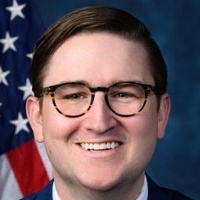
Addison McDowell
Representative
NC
Addison McDowell
Representative
NC
This bill, the Preventing the Abuse of Immigration Parole Act, aims to drastically restrict the Secretary of Homeland Security's authority to grant immigration parole. It mandates that parole decisions must be made strictly on a case-by-case basis for urgent humanitarian reasons or significant public benefit. Furthermore, the legislation imposes an annual cap on parole grants starting in FY 2029 and grants states the authority to sue the Secretary over perceived misuse of this authority.
This bill mandates that Small Business Development Centers and Women's Business Centers actively connect small businesses with graduates and resources from Career and Technical Education programs.
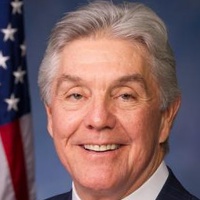
Roger Williams
Representative
TX
Roger Williams
Representative
TX
The Connecting Small Businesses with Career and Technical Education Graduates Act of 2025 aims to strengthen the pipeline between skilled CTE graduates and small businesses. This legislation mandates that Small Business Development Centers (SBDCs) and Women's Business Centers actively educate businesses on hiring CTE graduates and connect these programs with entrepreneurial resources. The bill officially defines CTE by referencing existing federal law to ensure consistent standards.
This Act establishes a pilot program for law enforcement to test drones equipped only with non-lethal tools for responding to active shooter situations.
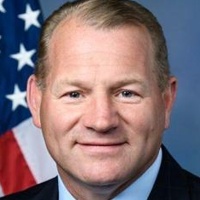
Troy Nehls
Representative
TX
Troy Nehls
Representative
TX
The Deescalation Drone Pilot Program Act of 2025 establishes a pilot program managed by the FAA for law enforcement to test drones equipped only with non-lethal tools during active shooter events. This initiative aims to assess the safety, training, and effectiveness of using these specialized drones to keep officers at a safer distance. Following the testing phase, the FAA must create a formal rulemaking process to allow agencies nationwide to seek approval for using these domestically manufactured, non-lethal drones.
This resolution honors law enforcement officers killed in the line of duty, specifically recognizing those who died in 2024, and expresses support for active officers and their need for proper resources.
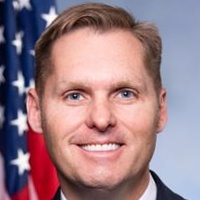
Michael Guest
Representative
MS
Michael Guest
Representative
MS
This resolution formally honors law enforcement officers killed in the line of duty, specifically recognizing the 345 officers whose service ended in 2024. It reaffirms support for all active officers and emphasizes the need to ensure they have the proper resources and training to perform their duties safely. The bill serves as a formal expression of gratitude and remembrance for their ultimate sacrifice.
This Act reinstates and extends the ability for taxpayers to deduct personal casualty losses from unexpected events like crimes, scams, and disasters without previous limitations.
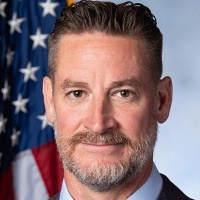
W. Steube
Representative
FL
W. Steube
Representative
FL
The Tax Relief for Victims of Crimes, Scams, and Disasters Act reinstates and removes limitations on the federal income tax deduction for personal casualty losses resulting from unexpected events like fires or floods. This legislation also extends the deadline for taxpayers to file claims for refunds related to these casualty loss deductions for past tax years. These changes apply to tax years beginning after December 31, 2017.
This resolution officially removes specific members from designated standing committees of the House of Representatives.
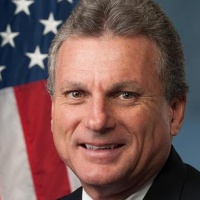
Earl Carter
Representative
GA
Earl Carter
Representative
GA
This resolution formally adjusts the composition of several House of Representatives standing committees. Specifically, it removes Representatives Watson Coleman, Menendez, and McIver from their current committee assignments. The bill enacts these precise changes to the committee membership roster.
This bill removes federal tax and registration requirements for firearm silencers, preempts certain state regulations, mandates the destruction of existing federal silencer owner records, and updates related definitions and marking requirements.
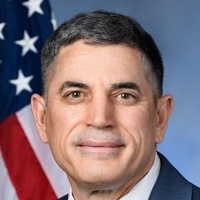
Andrew Clyde
Representative
GA
Andrew Clyde
Representative
GA
The Constitutional Hearing Protection Act aims to treat firearm silencers equally under federal tax law by updating definitions and removing certain registration requirements if existing firearm laws are followed. The bill also preempts state and local governments from imposing special taxes or registration burdens on silencers. Furthermore, it mandates the destruction of existing federal records identifying silencer owners within one year of enactment.
The CHOICE for Veterans Act of 2025 establishes new federal standards, oversight, and penalties for agents and attorneys who assist veterans in filing Department of Veterans Affairs benefit claims while extending certain pension payment limitations.
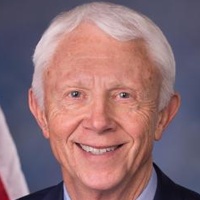
Jack Bergman
Representative
MI
Jack Bergman
Representative
MI
The CHOICE for Veterans Act of 2025 aims to overhaul how veterans receive assistance with their Department of Veterans Affairs (VA) benefit claims. It establishes new rules for the recognition, fees, and conduct of agents and attorneys who represent veterans. The bill also mandates increased transparency regarding available assistance and requires a review of the entire representative recognition process.
This act establishes research grants and training programs to develop and implement PFAS-free, next-generation turnout gear to protect firefighters from occupational illness and injury.

Debbie Dingell
Representative
MI
Debbie Dingell
Representative
MI
The PFAS Alternatives Act aims to protect firefighters by funding research and development for next-generation turnout gear that eliminates harmful PFAS chemicals. The bill establishes grants through NIOSH to create safer, PFAS-free protective equipment and separate funding for training programs on the proper care of this new gear. Ultimately, this legislation seeks to reduce occupational illness and injury among fire and EMS personnel.
The Shipbuilding and Harbor Infrastructure for Prosperity and Security for America Act of 2025 establishes a centralized maritime authority, creates a dedicated funding trust, strengthens sealift capability, mandates increased use of U.S.-flagged vessels, invests heavily in domestic shipbuilding, and enhances workforce development and tax incentives for the maritime industry.
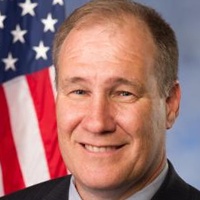
Trent Kelly
Representative
MS
Trent Kelly
Representative
MS
The **Shipbuilding and Harbor Infrastructure for Prosperity and Security for America Act of 2025** is a comprehensive bill designed to revitalize the U.S. maritime industry and secure critical supply chains. It establishes new centralized oversight for maritime policy, creates a dedicated Maritime Security Trust Fund financed by new vessel taxes, and mandates significant federal investment in domestic shipbuilding and workforce development. The legislation also imposes stricter cargo preference rules and tax incentives to ensure U.S.-flagged vessels dominate international commerce and defense sealift operations.
This bill prohibits the Small Business Administration from facilitating voter registration and restricts recipients of SBA assistance from engaging in such activities.
Roger Williams
Representative
TX
Roger Williams
Representative
TX
The Business over Ballots Act reaffirms that the Small Business Administration's (SBA) primary mission is solely to support small businesses. This legislation explicitly prohibits the SBA from engaging in or facilitating voter registration activities. Furthermore, it mandates that all new contracts and existing assistance agreements must restrict recipients from using SBA funds for voter registration efforts.
This Act bans the use of ranked choice voting in all federal elections beginning in 2026.
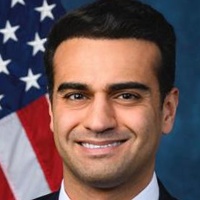
Abraham Hamadeh
Representative
AZ
Abraham Hamadeh
Representative
AZ
The Preventing Ranked Choice Corruption Act explicitly bans the use of ranked choice voting (RCV) in all federal elections, including those for President, the Senate, and the House of Representatives. This prohibition amends the Help America Vote Act of 2002 to ensure only traditional voting methods are used for federal races nationwide. The ban will take effect for all federal elections held in 2026 and beyond.
The VARIANCE Act allows commercial trucks carrying unpackaged, homogeneous dry bulk goods to exceed standard axle weight limits without increasing the overall gross vehicle weight limit.
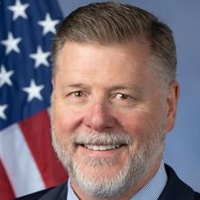
Eric Crawford
Representative
AR
Eric Crawford
Representative
AR
The VARIANCE Act temporarily allows commercial trucks hauling specific dry bulk goods, like grain or gravel, to exceed standard weight limits on individual axles or axle groups by up to 110 percent. This change only applies to axle weight distribution and does not permit trucks to exceed the overall maximum gross vehicle weight limit. The exception is strictly for unpackaged, homogeneous, non-liquid materials transported in specialized trailers.
This resolution strongly supports the Second Amendment right to keep and bear arms while commending President Trump for working to reverse recent Biden administration infringements on those freedoms.
Roger Williams
Representative
TX
Roger Williams
Representative
TX
This resolution strongly affirms the constitutional right to keep and bear arms under the Second Amendment. It criticizes recent actions by the Biden administration and federal agencies, such as the ATF, for implementing what are viewed as infringements on these freedoms. The resolution commends former President Trump for his past efforts to protect Second Amendment rights against such measures.
This joint resolution formally withdraws Congressional approval for the Agreement Establishing the World Trade Organization.
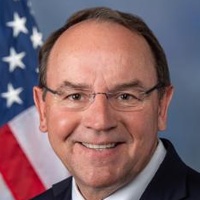
Thomas Tiffany
Representative
WI
Thomas Tiffany
Representative
WI
This joint resolution formally withdraws the approval previously granted by Congress for the Agreement Establishing the World Trade Organization (WTO). It serves as a legislative action to revoke Congressional support for the foundational international trade framework established by the Uruguay Round Agreements Act.
This Act redefines immediate relatives for immigration, caps family-sponsored visas, and creates a new, non-work, temporary visa for parents of adult U.S. citizens.
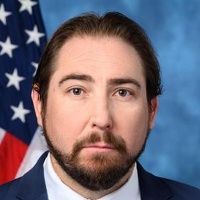
Eli Crane
Representative
AZ
Eli Crane
Representative
AZ
The Nuclear Family Priority Act significantly restructures U.S. family-based immigration by redefining "immediate relatives" to only include spouses and children of U.S. citizens, removing parents from that top category. It also establishes a new, temporary nonimmigrant visa for parents of adult U.S. citizens, which prohibits work and public benefits. Furthermore, the bill revises the annual cap for family-sponsored visas and makes numerous technical amendments across immigration law to align with these changes.
This bill establishes a Department of Veterans Affairs program to designate and fund at least five geographically dispersed "Innovative Therapies Centers of Excellence" to research and provide cutting-edge treatments like MDMA and Psilocybin for conditions such as PTSD and chronic pain.
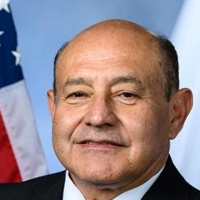
J. Correa
Representative
CA
J. Correa
Representative
CA
This bill establishes the Innovative Therapies Centers of Excellence Act of 2025, directing the Department of Veterans Affairs (VA) to designate at least five medical facilities as specialized hubs for cutting-edge treatments. These Centers of Excellence must focus on research, training partnerships, and clinical evaluation of innovative therapies for covered conditions like PTSD and chronic pain. The legislation specifically names substances such as MDMA and Psilocybin as part of the therapies to be explored, supported by dedicated annual funding.