Legislative Activity
Track Peter's sponsored bills, co-sponsored legislation, and voting record
This bill prohibits the implementation of the WISeR model and similar payment models under the Medicare program to protect seniors' care.
Patty Murray
Senator
WA
Patty Murray
Senator
WA
The Seniors Deserve SMARTER Care Act of 2025 aims to protect Medicare beneficiaries by prohibiting the implementation of the Wasteful and Inappropriate Services Reduction (WISeR) model. This legislation prevents the Department of Health and Human Services from introducing the WISeR model or any substantially similar payment and service delivery system under Medicare.
The EFFECTIVE Food Procurement Act mandates the USDA to prioritize purchasing food that supports equity, resilient supply chains, worker well-being, and climate mitigation, while establishing reporting and assistance programs to support these goals.
Edward Markey
Senator
MA
Edward Markey
Senator
MA
The EFFECTIVE Food Procurement Act directs the USDA to prioritize purchasing food that supports regional economies, worker well-being, environmental health, and equity for specific producers. The bill mandates detailed reporting on current spending and sets future targets to increase procurement in these four key areas. It also establishes pilot programs and grants to help smaller and underserved producers meet USDA standards and participate in federal food contracts.
This act mandates the completion of a federal background check before any firearm transfer can occur, eliminating the previous three-day default transfer provision.
Richard Blumenthal
Senator
CT
Richard Blumenthal
Senator
CT
The Background Check Completion Act of 2025 mandates that a completed background check must occur before any firearm transfer can take place. This law removes the previous "default proceed" provision that allowed transfers after three business days if the check was incomplete. It also updates related federal laws to align with this new, stricter requirement.
The FAAN Act establishes a billion-dollar grant program to support nursing schools in increasing faculty and student numbers, modernizing education, and expanding capacity to address workforce shortages and public health emergencies.

Jeff Merkley
Senator
OR
Jeff Merkley
Senator
OR
The FAAN Act establishes a new grant program to support nursing schools in addressing critical workforce shortages and modernizing education. These funds aim to increase faculty and student capacity, enhance preparedness for public health emergencies, and improve educational infrastructure. Priority is given to schools serving medically underserved, rural, or minority-serving areas.
This bill establishes a permanent U.S. program, led by a Special Envoy, to promote and defend the human rights of LGBTQI people globally through policy, foreign assistance, and mandatory reporting.
Edward Markey
Senator
MA
Edward Markey
Senator
MA
The International Human Rights Defense Act of 2025 establishes a permanent program within the Department of State, led by a dedicated Special Envoy, to protect and promote the human rights of LGBTQI people globally. This bill mandates the creation of a comprehensive U.S. Global Strategy to address international discrimination and violence against this community. Furthermore, it authorizes foreign assistance to support local organizations and requires detailed reporting on LGBTQI human rights abuses in annual State Department reports.
This act establishes a USDA program to provide grants for eligible entities to expand domestic capacity, modernize systems, and improve the supply chain for certified organic products.

Tammy Baldwin
Senator
WI
Tammy Baldwin
Senator
WI
The Domestic Organic Investment Act of 2025 establishes a new program within the USDA to strengthen the domestic supply chain for certified organic products. This program will provide grants to eligible U.S. entities for projects that expand storage, processing, and distribution capacity. The goal is to modernize infrastructure and improve the ability of domestic producers to compete in the organic market.
This joint resolution seeks to overturn the U.S. Citizenship and Immigration Services rule that eliminates the automatic extension of employment authorization documents.

Jacky Rosen
Senator
NV
Jacky Rosen
Senator
NV
This joint resolution seeks to exercise congressional disapproval of a U.S. Citizenship and Immigration Services rule that eliminates the automatic extension of Employment Authorization Documents. If passed, this measure would nullify the rule, preventing it from having any legal force or effect.
This bill establishes the AGRITOURISM Act to promote and support rural innovation and tourism activities through the creation of an Agritourism Advisor within the USDA.
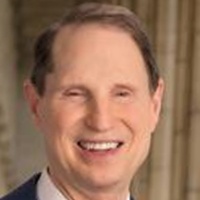
Ron Wyden
Senator
OR
Ron Wyden
Senator
OR
This bill, the AGRITOURISM Act, establishes an Agritourism Advisor within the USDA to promote and encourage agritourism activities nationwide. It recognizes the significant financial, educational, and cultural benefits that agritourism provides to rural communities and their agricultural enterprises. The Advisor will coordinate efforts within the USDA and with external partners to share best practices and improve access to federal resources for these businesses.
This bill authorizes \$74 million for fiscal years 2026 and 2027 to support the core functions and programs of the United Nations Population Fund (UNFPA), excluding its programs in China.
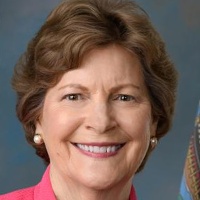
Jeanne Shaheen
Senator
NH
Jeanne Shaheen
Senator
NH
This bill authorizes $74 million in U.S. funding for the United Nations Population Fund (UNFPA) for fiscal years 2026 and 2027. Congress finds that UNFPA is essential for global sexual and reproductive health, preventing maternal deaths, and combating gender-based violence worldwide. The legislation affirms that supporting UNFPA is a strategic U.S. foreign policy priority that advances global health and stability.
This bill establishes comprehensive federal rights and protections for domestic workers, including overtime pay, guaranteed sick leave, written agreements, and creates a standards board to recommend future workplace improvements.

Kirsten Gillibrand
Senator
NY
Kirsten Gillibrand
Senator
NY
The Domestic Workers Bill of Rights Act seeks to establish comprehensive federal labor protections for domestic workers, including nannies, caregivers, and housekeepers. It mandates key standards such as overtime pay, earned sick leave, written work agreements, and fair scheduling practices. The bill also creates a standards board to recommend future workplace improvements and includes funding mechanisms to help states cover the costs of extending these protections to Medicaid-funded in-home care providers. Ultimately, this legislation aims to increase job security, predictability, and legal recourse for this historically excluded workforce.
This resolution condemns white supremacy, antisemitism, and the platforming of extremist figures like Nick Fuentes by media personalities and institutional leaders.
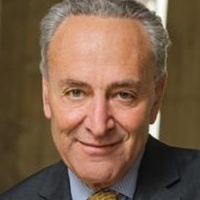
Charles Schumer
Senator
NY
Charles Schumer
Senator
NY
This resolution strongly condemns white supremacy, hate, and antisemitism, specifically targeting the promotion of these dangerous ideologies by Nick Fuentes. It further condemns Tucker Carlson and Kevin Roberts for platforming and defending Fuentes's documented antisemitic and Holocaust-denying statements. The resolution affirms the nation's commitment to fighting antisemitism and urges all leaders to reject these hateful views.
This Act establishes a process for creating new federal rules that mandate airlines compensate passengers for flight cancellations and significant delays caused by the airline.
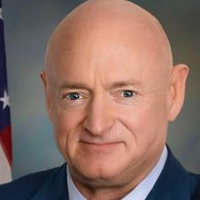
Mark Kelly
Senator
AZ
Mark Kelly
Senator
AZ
This Act establishes a process for the FAA to create new rules mandating airline compensation for flight cancellations and significant delays within the airline's control. It requires the formation of a committee to develop recommendations, including specific cash compensation amounts, free rebooking, and coverage for amenities like meals and lodging. The Secretary of Transportation must then issue proposed and interim final rules to implement these passenger protections, including an immediate interim compensation of $750 for airline-caused disruptions.
This bill prohibits the use of U.S. military force for hostilities against Venezuela unless specifically authorized by Congress.
Jeff Merkley
Senator
OR
Jeff Merkley
Senator
OR
This bill, the Prohibiting Unauthorized Military Action in Venezuela Act of 2025, strictly prohibits the use of U.S. military funds for hostilities against Venezuela. Any military action must be specifically authorized by a new law passed by Congress or authorized consistent with the War Powers Resolution. The Act maintains exceptions for self-defense or defense of U.S. personnel, as well as for humanitarian aid and certain counternarcotics operations.
This bill establishes the PBM Price Transparency and Accountability Act to mandate transparent pricing, prohibit spread pricing in Medicaid, ensure fair pharmacy access and PBM accountability in Medicare Part D, and require extensive reporting across both programs.

Michael Crapo
Senator
ID
Michael Crapo
Senator
ID
The PBM Price Transparency and Accountability Act aims to increase fairness and oversight in prescription drug pricing across Medicaid and Medicare Part D. It mandates transparent payment models for Medicaid, prohibiting abusive spread pricing by Pharmacy Benefit Managers (PBMs). Additionally, the bill establishes new network access standards for Medicare pharmacies and imposes strict compensation and reporting requirements on PBMs to ensure accountability to Medicare plans.
This joint resolution directs the President to remove U.S. Armed Forces from hostilities within or against Venezuela unless Congress specifically authorizes such use of force.
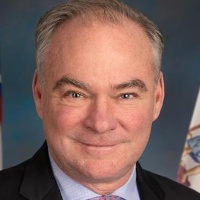
Timothy Kaine
Senator
VA
Timothy Kaine
Senator
VA
This joint resolution directs the President to remove U.S. Armed Forces from any hostilities within or against Venezuela that have not been explicitly authorized by Congress. It affirms Congress's constitutional authority to declare war and mandates expedited procedures for considering this measure. The resolution ensures that any ongoing military action against Venezuela ceases unless Congress provides a specific authorization for the use of force.
This bill authorizes the Attorney General to appoint qualified, temporary immigration judges for limited terms to assist with complex immigration case backlogs while emphasizing the need for permanent judges and rigorous training standards.
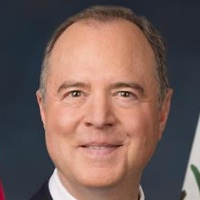
Adam Schiff
Senator
CA
Adam Schiff
Senator
CA
This bill establishes the **Temporary Immigration Judge Integrity Act** to authorize the Attorney General to appoint highly qualified individuals as temporary immigration judges for limited terms. These temporary judges will have the same authority as permanent judges but will be subject to rigorous oversight and mandatory training requirements. The legislation emphasizes that these temporary appointments are not intended to replace the need for permanent immigration judges.
This bill exempts unaccompanied children from various immigration fees, restricts certain body examinations, limits sponsor information sharing with immigration enforcement, and mandates refunds for previously paid fees.

Catherine Cortez Masto
Senator
NV
Catherine Cortez Masto
Senator
NV
The Upholding Protections for Unaccompanied Children Act of 2025 aims to strengthen protections for unaccompanied children navigating the immigration system. This bill exempts these children from various immigration-related fees, including those for asylum and employment authorization. Furthermore, it places limitations on body examinations and restricts the sharing of sponsor information with immigration enforcement agencies. The Act also mandates the refund of previously paid fees that are now waived.
This resolution condemns the Iranian government's systematic persecution of the Baha'i minority and its ongoing violations of international human rights covenants.
Ron Wyden
Senator
OR
Ron Wyden
Senator
OR
This resolution strongly condemns the Government of Iran for its ongoing, state-sponsored persecution of the Baha'i religious minority. It highlights decades of systematic human rights abuses, including imprisonment, job discrimination, and violence against Baha'is. The resolution urges the Iranian government to immediately release all religious prisoners and reverse discriminatory policies. Furthermore, it calls on the U.S. President and Secretary of State to condemn these actions and utilize existing authorities to impose sanctions on responsible Iranian officials.
This concurrent resolution recognizes the 30th anniversary of the Dayton Peace Accords, reaffirming U.S. support for Bosnia and Herzegovina's sovereignty and continued progress toward Euro-Atlantic integration.
Jeanne Shaheen
Senator
NH
Jeanne Shaheen
Senator
NH
This concurrent resolution recognizes the 30th anniversary of the Dayton Peace Accords, which ended the Bosnian War in 1995. It honors the historic negotiations held in Dayton, Ohio, and reaffirms U.S. support for Bosnia and Herzegovina's sovereignty, territorial integrity, and path toward Euro-Atlantic integration. The resolution also urges continued commitment to constitutional reform and democratic principles within the nation.
This act amends Department of Justice investigation procedures by removing a specific exception regarding allegations handled by the Inspector General.
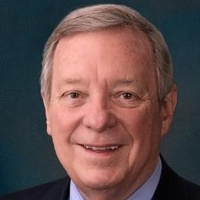
Richard Durbin
Senator
IL
Richard Durbin
Senator
IL
The Inspector General Access Act of 2025 amends existing law to streamline investigations of Department of Justice personnel. Specifically, this bill removes a previous exception regarding certain types of allegations from the general investigation procedures governing the Inspector General. This change ensures that the Inspector General has broader authority to investigate all relevant matters concerning DOJ personnel.