The EFFECTIVE Food Procurement Act mandates the USDA to prioritize purchasing food that supports equity, resilient supply chains, worker well-being, and climate mitigation, while establishing reporting and assistance programs to support these goals.
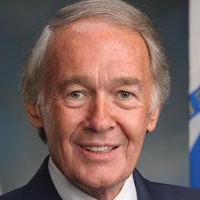
Edward "Ed" Markey
Senator
MA
The EFFECTIVE Food Procurement Act directs the USDA to prioritize purchasing food that supports regional economies, worker well-being, environmental health, and equity for specific producers. The bill mandates detailed reporting on current spending and sets future targets to increase procurement in these four key areas. It also establishes pilot programs and grants to help smaller and underserved producers meet USDA standards and participate in federal food contracts.
USDA Procurement Overhaul Targets Climate, Equity, and Workers: $25M Grant Program Created for Small Producers
The newly proposed EFFECTIVE Food Procurement Act is essentially a massive policy instruction manual telling the U.S. Department of Agriculture (USDA) to change how it spends billions of dollars on food. This isn't about school lunch menus—it’s about leveraging the USDA’s buying power (one of the largest in the world) to shift the entire food system toward specific goals: equity, worker well-being, climate mitigation, and resilient supply chains.
The New Shopping List: Values Over Volume
If passed, this bill mandates that the USDA must start prioritizing purchases across four specific categories when using its core procurement authorities. Think of it as adding a strict set of ethical and environmental filters to the government’s grocery order. For example, the USDA must seek out foods that support worker well-being—meaning food sourced from vendors whose employees have a collective bargaining agreement or are part of a worker justice certification program (Sec. 4). They also have to buy foods that mitigate climate change impacts, like those produced using practices that reduce greenhouse gas emissions or sourced from suppliers who have a policy to limit deforestation (Sec. 4).
Crucially, this bill sets a target: by 2032, the USDA must increase the percentage of its annual food spending in each of these four categories to the “maximum extent practicable.” This puts pressure on the massive, established food distributors that usually win these contracts. If they want to keep the government’s business, they will have to start documenting their labor practices and environmental footprint. For everyday folks, this means the federal government is using its wallet to push for better standards in the food industry, which could eventually trickle down into the wider market.
Leveling the Field for the Little Guys
One of the biggest practical hurdles for small farms is selling to the government. The bureaucracy, food safety certifications, and insurance requirements often lock out everyone but the largest corporations. This bill attempts to fix that by creating a specific category of “covered producers”: beginning, veteran, and socially disadvantaged farmers, fishermen, and ranchers, as well as those on small or medium-sized farms (defined as having less than $999,999 in annual cash income) (Sec. 3).
To actually help these smaller operations, the bill authorizes $25 million for a competitive grant program (Sec. 6). This money can be used directly by these covered producers to pay for the exact things that keep them out of the federal market: food safety accreditation, audits, liability insurance, and necessary facility upgrades. For a veteran farmer trying to scale up, this grant could be the difference between selling only at the farmers' market and getting a stable, high-volume contract with the USDA.
The Pilot Program: Best Value vs. Lowest Bid
Government contracting usually defaults to the lowest bidder. The EFFECTIVE Act introduces a five-year Best Value Procurement Pilot Program that requires the USDA to use a “tradeoff process” to select bids (Sec. 6). This means they can choose a bid that isn't the absolute cheapest if it delivers better overall value—like supporting a local veteran farmer, using climate-friendly practices, or ensuring good worker pay. The Secretary of Agriculture will establish the evaluation criteria, and the pilot must account for at least 20% of the USDA’s annual food spending under these covered authorities.
This shift is huge. If the USDA successfully pivots to a “best value” model, it means taxpayer dollars are being used not just to fill a quota, but to invest in specific policy outcomes. The trade-off here is that while the focus on values is beneficial, the final cost of food purchased might be slightly higher than the rock-bottom price offered by massive corporate farms that don't meet these standards. However, the bill argues the long-term value—like reduced climate impact and stronger local economies—justifies the approach.
Transparency is the New Requirement
Accountability is baked into the bill through strict reporting mandates (Sec. 4). Within one year, the USDA must submit a baseline report detailing exactly what percentage of its food spending currently falls into the four new categories. They also have to estimate the total greenhouse gas emissions from the food they buy, which is a massive data lift. After that, they must submit annual reports showing progress toward the 2032 targets and list the names of all suppliers, distributors, processors, and producers involved. This level of transparency means that policy watchers and the public will be able to see exactly where federal food dollars are going and what environmental cost is attached to those purchases.