This resolution condemns white supremacy, antisemitism, and the platforming of extremist figures like Nick Fuentes by media personalities and institutional leaders.
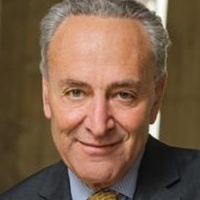
Charles "Chuck" Schumer
Senator
NY
This resolution strongly condemns white supremacy, hate, and antisemitism, specifically targeting the promotion of these dangerous ideologies by Nick Fuentes. It further condemns Tucker Carlson and Kevin Roberts for platforming and defending Fuentes's documented antisemitic and Holocaust-denying statements. The resolution affirms the nation's commitment to fighting antisemitism and urges all leaders to reject these hateful views.
Resolution Condemns Nick Fuentes, Carlson, and Roberts for Platforming Antisemitism and White Supremacy
This resolution is a direct, public statement of condemnation against a specific set of individuals and ideologies. It doesn't create new laws or allocate funds; instead, it uses the legislative body’s formal voice to take a stand against white supremacy, hate, and antisemitism, specifically targeting the views of podcaster Nick Fuentes and the actions of those who have given him a public platform.
Naming Names: The Core Condemnation
The resolution’s main action is its strong condemnation of Nick Fuentes, identifying him as a white supremacist leader who promotes antisemitic and Holocaust-denying ideology. It cites specific examples of his rhetoric, including denying the Holocaust, expressing support for Adolf Hitler, and promoting the "Great Replacement" conspiracy theory—the false idea that Jewish people are organizing the replacement of white populations. This part of the resolution makes it clear that these dangerous statements are being formally rejected by the legislative body.
Platforming and the Public Square
Beyond condemning Fuentes, the resolution takes aim at those with large public platforms who have amplified his voice. It specifically condemns Tucker Carlson for hosting Fuentes for an interview where antisemitic conspiracy theories were advanced without meaningful pushback. It also condemns Heritage Foundation President Kevin Roberts for defending Carlson’s decision and using what the resolution calls antisemitic "dog whistle" terms when discussing Fuentes's ideas. For busy people, this highlights a critical issue in modern media: the responsibility of gatekeepers when deciding whose extreme views get mainstream exposure. The resolution is essentially saying that giving a platform to documented hate speech is itself an action worthy of legislative condemnation.
Reaffirming National Commitments
This resolution isn't operating in a vacuum. It references existing national efforts to combat hate, citing Executive Orders and the United States National Strategy to Counter Antisemitism. By doing this, the resolution ties its specific condemnation of Fuentes and his platformers back to the broader, established national commitment to fighting antisemitism. It also explicitly condemns Nazism, honors the sacrifices made to defeat the Nazis, and affirms the historical fact that 6,000,000 Jews were murdered in the Holocaust. This serves to reinforce historical truth against denialism.
The Takeaway for Leaders
Ultimately, the resolution urges all elected officials, thought leaders, and community leaders to unequivocally reject and condemn white supremacy and antisemitism whenever and wherever they occur. While this isn't a legally binding requirement, it sets a clear expectation for public figures. For the average person, this resolution signals that the legislative body is taking the threat of organized hate speech seriously and is using its political capital to push back against the normalization of these extreme views in public discourse. It’s a formal statement defining where the line is drawn on acceptable public speech.