This bill establishes a permanent U.S. program, led by a Special Envoy, to promote and defend the human rights of LGBTQI people globally through policy, foreign assistance, and mandatory reporting.
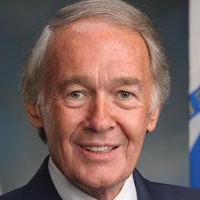
Edward "Ed" Markey
Senator
MA
The International Human Rights Defense Act of 2025 establishes a permanent program within the Department of State, led by a dedicated Special Envoy, to protect and promote the human rights of LGBTQI people globally. This bill mandates the creation of a comprehensive U.S. Global Strategy to address international discrimination and violence against this community. Furthermore, it authorizes foreign assistance to support local organizations and requires detailed reporting on LGBTQI human rights abuses in annual State Department reports.
New Act Creates Permanent State Department Envoy to Fight Global Anti-LGBTQI+ Laws and Violence
The International Human Rights Defense Act of 2025 is essentially a blueprint for making the protection of LGBTQI+ rights a permanent, official pillar of U.S. foreign policy. It doesn't just suggest the idea; it mandates it. At its core, the bill establishes a permanent Global LGBTQI Human Rights Program within the Department of State, led by a Senate-confirmed Special Envoy. This isn't a temporary assignment; it’s a dedicated, high-level position tasked with integrating LGBTQI+ human rights into every part of U.S. diplomacy, foreign assistance, and UN engagement (Sec. 1).
The Permanent Policy Watchdog
Think of the Special Envoy as the new, permanent CEO of this specific human rights effort. They are required to develop and update a comprehensive U.S. Global Strategy every two years, detailing specific objectives and performance metrics for addressing criminalization and violence worldwide (Sec. 4). This move formalizes what has previously been handled through temporary presidential memoranda. The bill’s findings lay out the stark reality: 64 countries still criminalize same-sex relations, and violence against trans and gender-diverse people, particularly in places like Latin America, remains alarmingly high. This legislation aims to put sustained diplomatic pressure on these issues.
Where the Money Goes: Targeted Aid
For those who care about how foreign aid is spent, the bill directs the U.S. Agency for International Development (USAID) to specifically authorize assistance through non-governmental organizations (NGOs) to protect and promote these rights (Sec. 1). This aid can be used for things like emergency protection for human rights defenders, documenting abuses, and building the capacity of local civil society groups. This means that if you are an activist working in a country with hostile laws, the U.S. government now has a dedicated, funded mechanism to help ensure your safety and support your work. It also requires that all federal funding recipients—contractors and grantees—must establish non-discrimination policies inclusive of sexual orientation and gender identity, a significant requirement for any organization receiving U.S. funds (Sec. 3).
The Transparency Mandate
One of the most concrete changes involves transparency and reporting. The bill amends existing law to mandate that the State Department’s annual Country Reports on Human Rights Practices must now include a specific section detailing the nature and extent of criminalization, discrimination, and violence against LGBTQI+ people in every country (Sec. 5). If a country has laws that criminalize same-sex activity or restrict gender expression, the State Department must now explicitly call that out in its official report. This is a big deal because these reports are the gold standard for international human rights documentation and are often used to determine foreign assistance and diplomatic relationships.
Real-World Impact and Implementation
This bill has two main groups feeling the change. First, the LGBTQI+ communities and advocates abroad gain a powerful, permanent ally in U.S. foreign policy, along with dedicated funding streams for protection and advocacy. Second, foreign governments that currently criminalize these populations will find themselves under increased diplomatic scrutiny and potentially facing challenges in their relationships with the U.S. The policy also explicitly commits to ensuring that individuals facing persecution for being LGBTQI+ have the opportunity to seek protection in the United States (Sec. 3).
From an implementation standpoint, the Special Envoy holds significant authority—directing State Department activities and coordinating relevant policies across all other federal agencies (Sec. 4). While this centralization ensures focus, it means the success of the entire program hinges heavily on the effectiveness and strategy of the appointed individual and their ability to navigate interagency coordination. Overall, this legislation puts the weight of the U.S. diplomatic machine firmly behind a specific, global human rights goal, moving it from an optional policy priority to a required, funded mandate.