This Act establishes a process for creating new federal rules that mandate airlines compensate passengers for flight cancellations and significant delays caused by the airline.
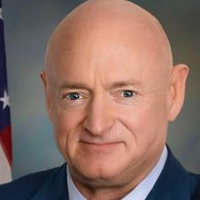
Mark Kelly
Senator
AZ
This Act establishes a process for the FAA to create new rules mandating airline compensation for flight cancellations and significant delays within the airline's control. It requires the formation of a committee to develop recommendations, including specific cash compensation amounts, free rebooking, and coverage for amenities like meals and lodging. The Secretary of Transportation must then issue proposed and interim final rules to implement these passenger protections, including an immediate interim compensation of $750 for airline-caused disruptions.
Airlines Must Pay $750 Cash Compensation for Delays Under New Act: Interim Rule Kicks In 2 Years
The new Flight Delay and Cancellation Compensation Act is taking aim at one of the biggest headaches of modern travel: airline-caused delays and cancellations. This bill mandates a process for creating new rules that will force airlines to pay passengers cash compensation and cover expenses when a flight disruption is the airline’s fault. It sets a high bar right out of the gate by requiring an interim rule that guarantees $750 in cash compensation for any affected passenger, plus meals and lodging, for major disruptions caused by the carrier, though that interim rule won't take effect for two years.
The New Rulebook: $300 to $600 Minimums
This isn't just a suggestion; it's a structural change. The Act immediately requires the FAA to set up an Aviation Rulemaking Committee (ARC) within 90 days. This committee, which includes airlines, consumer groups, and federal agencies, is tasked with figuring out exactly how to implement compensation rules similar to those already in place in Canada and the European Union. Specifically, the committee must recommend rules requiring airlines to pay at least $300 in cash for delays over three hours and at least $600 in cash for delays over six hours, when the delay is directly attributable to the airline. They also need to figure out the process for determining airline fault and how to ensure passengers get timely, clear information about their rights.
Your Hotel and Meal Vouchers Are Covered
Beyond the cash, the bill addresses the immediate, practical costs of being stranded. The ARC must also develop rules requiring airlines to cover amenities like meals, overnight lodging, and transportation to that lodging for cancelled or significantly delayed flights. For the average traveler—the one who misses a crucial connection or a day of vacation because the plane had a mechanical issue—this means the airline, not your credit card, is responsible for the unexpected hotel bill and dinner. This provision is designed to ensure you aren't left sleeping on the airport floor or paying out-of-pocket for a last-minute hotel when the airline messes up.
The $750 Interim Rule: A Big Number, But a Wait
Perhaps the most impactful part of the bill is the Interim Final Rule. The Secretary of Transportation is required to issue this rule within 18 months of the Act’s passage, and it will become effective two years after enactment. This temporary rule sets the compensation floor high: $750 in cash to any impacted passenger for an airline-caused cancellation or significant delay. On top of the cash, the interim rule mandates free rebooking, meals, complimentary hotel accommodations, and ground transportation for overnight delays. This $750 figure is significantly higher than the $300/$600 minimums the committee is asked to study for the final rule, which suggests a strong push for immediate, substantial consumer protection while the long-term policy is being finalized.
The Catch: Defining “Airline’s Fault”
While the compensation amounts are clear, the biggest remaining question—and where the vagueness lies—is how the committee will define a delay or cancellation that is “directly attributable to the airline.” If the definition is too narrow, excluding common issues like staffing shortages or maintenance delays that could be argued as “unforeseen,” airlines could potentially sidestep the compensation requirements. The rulemaking process will be critical in ensuring that this definition truly protects consumers. For airlines, this means a significant increase in operational costs and a strong incentive to improve on-time performance and maintenance schedules, as every major failure will now come with a mandatory cash payout.