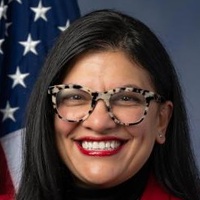
Legislative Activity
Track Rashida's sponsored bills, co-sponsored legislation, and voting record
This Act mandates the Department of Labor to establish and enforce comprehensive workplace violence prevention standards for healthcare and social service workers, while also tying compliance to Medicare funding for certain facilities.
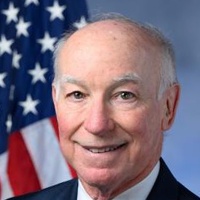
Joe Courtney
Representative
CT
Joe Courtney
Representative
CT
This Act mandates the Secretary of Labor to establish an interim and then a final standard requiring comprehensive workplace violence prevention plans for employers in the healthcare and social service sectors. These plans must be developed with employee input and detail risk assessments, hazard controls, reporting procedures, and annual training. Furthermore, the bill amends the Social Security Act to require Medicare-funded hospitals and skilled nursing facilities not covered by OSHA to comply with these new federal workplace violence prevention standards. The legislation also establishes clear definitions for workplace violence and includes strong anti-retaliation protections for employees who exercise their rights under the Act.
The Reentry Act of 2025 allows inmates to receive Medicaid assistance during the 30 days preceding their release and mandates a comprehensive report on healthcare standards within correctional facilities.
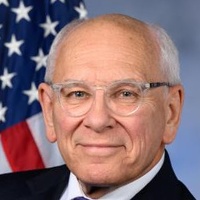
Paul Tonko
Representative
NY
Paul Tonko
Representative
NY
The Reentry Act of 2025 allows incarcerated individuals to receive medical assistance through Medicaid during the 30 days immediately preceding their release. This legislation also mandates a comprehensive report from MACPAC analyzing current healthcare standards within correctional facilities. The report will examine the impact of this coverage change and offer recommendations for improving healthcare access for those transitioning back into the community.
This bill prohibits the use of federal funds for the removal of 3 percent or more of the Department of Health and Human Services (HHS) employees or any of its sub-agencies within any 60-day period.
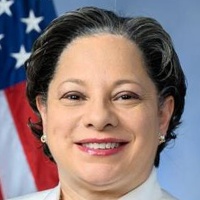
Jennifer McClellan
Representative
VA
Jennifer McClellan
Representative
VA
This bill restricts the use of federal funds to carry out large-scale removals of employees within the Department of Health and Human Services (HHS). Specifically, it prohibits using federal money for terminations if 3% or more of the total HHS workforce, or 3% or more of any individual sub-agency's staff, are removed within a 60-day period. This measure aims to prevent sudden, mass layoffs across the department and its major divisions.
This Act establishes the Youth Mental Health Research Initiative, coordinating national research efforts to improve understanding, prevention, and treatment of mental health challenges in young people.
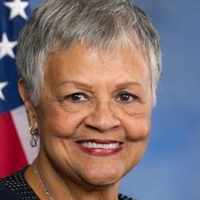
Bonnie Watson Coleman
Representative
NJ
Bonnie Watson Coleman
Representative
NJ
The Youth Mental Health Research Act establishes a new, coordinated research initiative led by the NIMH Director to improve understanding and treatment of youth mental health. This effort will focus on building resilience, improving early identification, and enhancing the accessibility of mental health care in community settings. The Act authorizes $100 million in funding annually through fiscal year 2030 to support this vital research.
This resolution demands the President transmit unredacted documents within 14 days regarding the potentially dangerous and unaccountable use of AI by the U.S. DOGE Service that jeopardizes American private information and essential services.
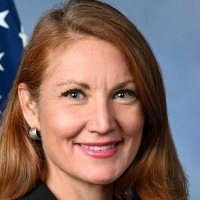
Melanie Stansbury
Representative
NM
Melanie Stansbury
Representative
NM
This resolution is an official request demanding the President transmit unredacted documents within 14 days concerning the deployment and use of Artificial Intelligence (AI) by the U.S. DOGE Service since January 20, 2025. Congress seeks detailed information on the AI systems, the sensitive Federal data used to train them, and the individuals involved in their policy and implementation. The inquiry specifically targets concerns regarding privacy violations, potential misuse of data, and the legality of AI-driven decisions affecting American services and benefits.
This Act directs the GAO to study and report on cost-effective recommendations for reducing train noise and vibrations near residential areas.

Eleanor Norton
Representative
DC
Eleanor Norton
Representative
DC
The Train Noise and Vibrations Reduction Act of 2025 mandates that the Government Accountability Office (GAO) conduct a comprehensive study on reducing noise and vibrations from trains near residential areas. This study must result in a detailed report to Congress outlining specific, cost-benefit analyzed recommendations. These suggestions will cover potential solutions ranging from track maintenance and speed limits to noise barriers and home insulation.
This Act expands and reforms the Low-Income Home Energy Assistance Program (LIHEAP) to increase funding, simplify eligibility, mandate energy efficiency upgrades, and protect low-income families from high utility costs and shutoffs.
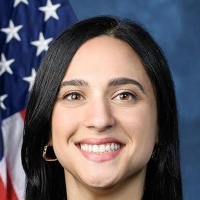
Yassamin Ansari
Representative
AZ
Yassamin Ansari
Representative
AZ
The Heating and Cooling Relief Act aims to significantly expand and modernize energy assistance for low-income families facing high utility costs and extreme weather. It increases funding for the Low-Income Home Energy Assistance Program (LIHEAP), streamlines eligibility requirements, and mandates that energy suppliers take steps to prevent shutoffs and eliminate late fees for recipients. Furthermore, the bill prioritizes using funds for weatherization and home retrofitting to reduce fossil fuel dependence and improve climate resilience for vulnerable households.
This bill expresses congressional disapproval to block the proposed foreign military sale of D9R and D9T Caterpillar bulldozers and associated support items to Israel.
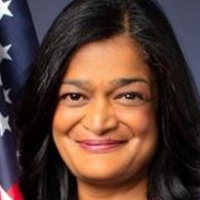
Pramila Jayapal
Representative
WA
Pramila Jayapal
Representative
WA
This bill seeks to disapprove and halt a specific proposed foreign military sale of defense articles and services to Israel. Specifically, it blocks the transfer of D9R and D9T Caterpillar bulldozers along with associated support equipment and services. Congress is exercising its authority to veto this particular sale as outlined in the Arms Export Control Act.
The Abortion Care Awareness Act of 2025 mandates a national public health campaign by HHS to educate the public on accessing abortion care, understanding related rights, and identifying misinformation.

Jasmine Crockett
Representative
TX
Jasmine Crockett
Representative
TX
The Abortion Care Awareness Act of 2025 mandates the creation of a national public health campaign by the Secretary of HHS to educate the public on accessing abortion and related health services legally and safely. This campaign must provide medically accurate information on care options, including telehealth and medication abortion, while also teaching people how to recognize disinformation and protect their health data. The effort must be culturally competent and accessible to underserved communities, explicitly prohibiting the promotion of misinformation or abstinence-only programs.
This bill establishes federal funding for states and eligible entities to create and improve programs for the early detection, intervention, and coordinated care of vision impairments in children.
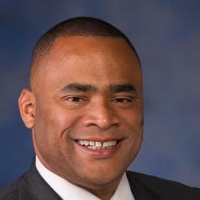
Marc Veasey
Representative
TX
Marc Veasey
Representative
TX
The Early Detection of Vision Impairments for Children Act of 2025 establishes federal funding to help states and eligible groups create comprehensive programs for early vision screening and intervention in children. These grants will support activities such as improving data collection, reaching underserved populations, and building coordinated public health systems for eye care. The bill also authorizes technical assistance grants through the CDC to support states in developing and improving their screening and intervention strategies. Funding is authorized at $5 million annually from fiscal years 2026 through 2030 for the main grant program.
This Act establishes federal grant programs to improve medical education, expand community health center capacity, and increase rural provider training in gender-affirming care for transgender individuals.
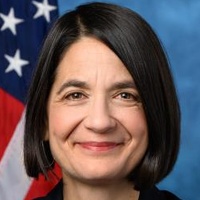
Becca Balint
Representative
VT
Becca Balint
Representative
VT
The Transgender Health Care Access Act aims to improve access to gender-affirming care by addressing critical gaps in medical education and provider capacity. The bill establishes grant programs to develop and implement comprehensive training curricula for medical professionals across various settings, including rural areas. Furthermore, it provides funding to expand the ability of community health centers to deliver culturally competent and necessary care to transgender individuals. Ultimately, this legislation seeks to ensure that healthcare providers are adequately trained and equipped to meet the medical needs of the transgender population.
The Nutrition CARE Act of 2025 expands Medicare coverage to include medical nutrition therapy services provided by registered dietitians for beneficiaries diagnosed with an eating disorder, effective January 1, 2026.
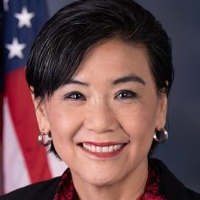
Judy Chu
Representative
CA
Judy Chu
Representative
CA
The Nutrition CARE Act of 2025 addresses the critical need for comprehensive eating disorder treatment under Medicare. This bill expands Medicare coverage to include essential medical nutrition therapy services for beneficiaries diagnosed with an eating disorder, starting January 1, 2026. It establishes initial and ongoing annual coverage limits for these crucial dietitian-led services, requiring a referral from a physician or psychologist. By covering this vital component of care, the Act aims to improve health outcomes and reduce the significant economic burden associated with these serious mental illnesses.
The ABC Act mandates a comprehensive review and simplification of processes, forms, and communications across Medicare, Medicaid, CHIP, and Social Security to alleviate burdens on family caregivers.
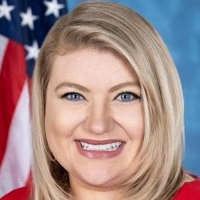
Katherine Cammack
Representative
FL
Katherine Cammack
Representative
FL
The ABC Act mandates a comprehensive review of Medicare, Medicaid, CHIP, and Social Security programs to significantly simplify application processes, forms, and communications for family caregivers. This effort requires federal agencies to streamline requirements, improve customer service, and enhance accessibility across their systems. The goal is to reduce the administrative burden on caregivers while ensuring clear and timely access to essential benefits. Agencies must report their findings and planned actions to Congress within two years of enactment.
The Sarah Katz Caffeine Safety Act mandates clearer caffeine labeling on restaurant menus and packaged foods, initiates federal safety reviews by the FDA and NIH, and establishes public education and marketing studies regarding caffeine consumption.
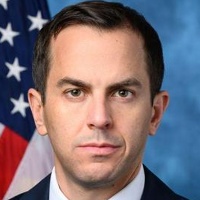
Robert Menendez
Representative
NJ
Robert Menendez
Representative
NJ
The Sarah Katz Caffeine Safety Act mandates clearer caffeine labeling for restaurant chains and packaged foods, requiring warnings for items exceeding 150mg of caffeine. It also directs the FDA and NIH to conduct urgent safety reviews concerning caffeine consumption in the general population and vulnerable groups. Furthermore, the bill establishes a public education campaign on safe caffeine use and requires a GAO study on the marketing of caffeinated beverages, particularly toward youth.
The Hunger-Free Future Act of 2025 mandates that any adjustment to the Thrifty Food Plan used for SNAP benefits cannot result in an increase in household food insecurity.
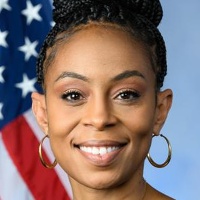
Shontel Brown
Representative
OH
Shontel Brown
Representative
OH
The Hunger-Free Future Act of 2025 mandates that any adjustment to the Thrifty Food Plan used for calculating SNAP benefits must not result in an increase in food insecurity. This ensures that updates to the cost of the food plan do not negatively impact households' ability to afford adequate nutrition.
This bill seeks to disapprove and halt the proposed foreign military sale to Israel of 35,529 bomb bodies and 4,000 I2000 Penetrator warheads.
Pramila Jayapal
Representative
WA
Pramila Jayapal
Representative
WA
This joint resolution expresses the disapproval of Congress regarding a proposed foreign military sale to Israel. Specifically, it blocks the transfer of 35,529 general-purpose bomb bodies and 4,000 I2000 Penetrator warheads. The bill uses congressional authority to prohibit this specific arms transfer that was previously submitted for review.
This resolution formally reaffirms the Federal Government's commitment to recognizing the enduring legacy, vital contributions, and future success of Historically Black Colleges and Universities (HBCUs).
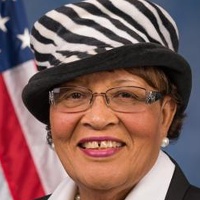
Alma Adams
Representative
NC
Alma Adams
Representative
NC
This resolution formally recognizes and honors the enduring legacy and vital contributions of Historically Black Colleges and Universities (HBCUs) to the nation. It reaffirms the Federal Government's commitment to supporting these essential institutions that drive economic growth and produce a disproportionate number of professionals in critical fields. The measure serves as a strong statement celebrating HBCUs as centers of excellence and opportunity.
The Arts Education for All Act mandates the integration, reporting, and research of arts education across early childhood, K-12, and correctional systems to ensure comprehensive access and measure its impact on student development and offender reentry.
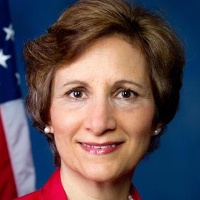
Suzanne Bonamici
Representative
OR
Suzanne Bonamici
Representative
OR
The Arts Education for All Act aims to elevate the status and accessibility of arts education across the entire educational spectrum. It mandates evidence-based training for early childhood providers, requires states to integrate arts education into core academic planning and public reporting, and authorizes the use of the arts in juvenile and adult offender reentry programs. Furthermore, the bill directs federal research agencies to study the impact of the arts and restores arts assessment to the national testing schedule.
The Hot Foods Act of 2025 lifts the general ban on purchasing ready-to-eat hot foods with SNAP benefits while imposing a sales cap on retailers that primarily sell such items.

Grace Meng
Representative
NY
Grace Meng
Representative
NY
The Hot Foods Act of 2025 removes the general federal ban on using Supplemental Nutrition Assistance Program (SNAP) benefits to purchase hot, ready-to-eat foods. This legislation clarifies that hot foods are now eligible for purchase with SNAP benefits, while also setting a new rule that limits SNAP-participating retailers to deriving no more than 50% of their gross sales from these ready-to-eat hot items. The act updates existing statutes to reflect this expanded purchasing power for recipients.
This resolution formally recognizes and supports the goals and ideals of the International Transgender Day of Visibility to honor the achievements and acknowledge the ongoing struggles of the transgender community.
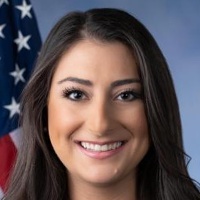
Sara Jacobs
Representative
CA
Sara Jacobs
Representative
CA
This resolution formally recognizes and celebrates the International Transgender Day of Visibility. Congress acknowledges the achievements of transgender individuals while highlighting the ongoing discrimination and violence they face. The resolution encourages appropriate ceremonies and activities to observe the day and celebrate the community's leadership and fight for equality.