Legislative Activity
Track Rashida's sponsored bills, co-sponsored legislation, and voting record
The African American History Act of 2026 authorizes the National Museum of African American History and Culture to develop and support educational programs, resources, and curricula to enhance the teaching of African American history nationwide.
Kweisi Mfume
Representative
MD
Kweisi Mfume
Representative
MD
The African American History Act of 2026 authorizes the National Museum of African American History and Culture to develop and expand educational resources, curricula, and digital programming for students and educators nationwide. By providing $10 million in annual funding through 2030, the Act aims to promote a deeper understanding of African American history through a social justice and anti-bias lens. Additionally, the legislation encourages the development of similar educational initiatives across other Smithsonian museums dedicated to diverse American histories.
The Connect the Grid Act establishes a national transmission planning framework, expands federal authority over transmission permitting, brings ERCOT under FERC jurisdiction, and mandates reliability upgrades between regional grids.
Gregorio Casar
Representative
TX
Gregorio Casar
Representative
TX
The Connect the Grid Act aims to modernize and expand the national electric transmission system through comprehensive planning, federal permitting authority for critical projects, and enhanced interregional coordination. It specifically brings the Texas grid (ERCOT) under greater federal oversight and mandates new reliability standards for interconnections with neighboring regions. The bill also increases funding for transmission infrastructure and promotes the use of domestic materials and labor standards.
This resolution designates Black History Month 2026, honors the contributions of Black Americans through the "Unsung Souls" and "Righteous Intercessors" recognitions, and affirms the importance of a complete national narrative.
Al Green
Representative
TX
Al Green
Representative
TX
This resolution officially recognizes Black History Month and adopts "A Century of Black History Commemorations" as the theme for 2026. It honors the contributions of Black Americans by establishing categories for "Unsung Souls" and "Righteous Intercessors." Ultimately, the bill affirms that Black history commemorations are essential for a complete national narrative and inspiring future progress toward liberty and justice for all.
This resolution establishes February 28th as HIV is Not a Crime Awareness Day to advocate for the decriminalization of HIV and end outdated laws that disproportionately harm affected communities.
Mark Pocan
Representative
WI
Mark Pocan
Representative
WI
This resolution establishes February 28th as "HIV is Not a Crime Awareness Day" to advocate for the decriminalization of HIV across the nation. It highlights outdated laws that unfairly criminalize people living with HIV based on their status, regardless of transmission risk. The day calls for action to repeal these scientifically inaccurate laws, which undermine public health efforts and disproportionately affect marginalized communities. Ultimately, the resolution supports ending HIV criminalization to promote education, treatment, and justice.
This bill establishes safety exceptions for victims of domestic violence seeking to withdraw a lump-sum federal retirement benefit by allowing them to waive spousal notification and consent requirements under certain conditions.
Joe Neguse
Representative
CO
Joe Neguse
Representative
CO
The Federal Retirement Safety Act amends federal retirement law to protect victims of domestic violence when accessing lump-sum retirement benefits. This legislation allows eligible employees to waive or bypass the standard spousal notification and consent requirements for lump-sum withdrawals if providing notice or seeking consent poses a safety risk. Victims can prove eligibility through self-certification regarding recent domestic violence crimes committed by the spouse or former spouse.
This bill prohibits the Department of Homeland Security from purchasing or using any four-point or five-point full-body restraints, with strict reporting requirements and penalties for violations.
Delia Ramirez
Representative
IL
Delia Ramirez
Representative
IL
The Full-Body Restraint Prohibition Act bans the Department of Homeland Security (DHS) from purchasing or using any four-point or five-point restraints that completely immobilize a person. The legislation mandates strict reporting requirements to Congress detailing compliance and any prohibited restraint usage. Violations by DHS personnel can result in termination.
This resolution congratulates and honors the Michigan athletes who competed in the 2026 Olympic and Paralympic Games in Italy.

Debbie Dingell
Representative
MI
Debbie Dingell
Representative
MI
This resolution congratulates and honors the dedicated Olympians and Paralympians from Michigan who competed in the 2026 Milano Cortina Games. It recognizes their patriotic efforts, highlights the significance of the Games in promoting peace, and specifically names the Michigan athletes who represented Team USA. The resolution celebrates their heroic accomplishments and contributions to the United States.
This act awards the Congressional Gold Medal to the Freedom House Ambulance Service in recognition of its pioneering role in developing the modern paramedic system and its contributions to emergency medical services.
Summer Lee
Representative
PA
Summer Lee
Representative
PA
The Freedom House Ambulance Service Congressional Gold Medal Act honors the pioneering Pittsburgh-based service that established the model for modern emergency medical care. As the nation’s first paramedic program, Freedom House revolutionized life-saving techniques while providing vital job training to the Black community. This legislation awards a Congressional Gold Medal to the service to commemorate its enduring contributions to both medical innovation and civil rights.
The Southeast Asian Deportation Relief Act of 2026 provides relief from detention and removal, grants work authorization, and establishes a process for reopening cases for certain long-term residents from Cambodia, Laos, and Vietnam.
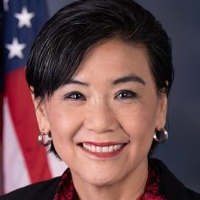
Judy Chu
Representative
CA
Judy Chu
Representative
CA
The Southeast Asian Deportation Relief Act of 2026 provides significant relief for long-term residents from Cambodia, Laos, and Vietnam facing deportation. It prohibits the detention and removal of eligible individuals who entered the U.S. before 2008 and grants them permanent work authorization. Furthermore, the Act establishes a streamlined process for those previously ordered removed to reopen and terminate their immigration cases, effectively vacating past removal orders.
This bill establishes a federal process for Extreme Risk Protection Orders, creates a grant program to incentivize states to adopt similar laws, and mandates the recognition of such orders across state lines.
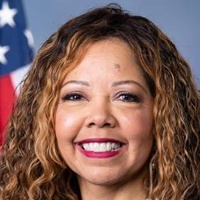
Lucy McBath
Representative
GA
Lucy McBath
Representative
GA
The Federal Extreme Risk Protection Order Act of 2026 establishes a federal process for issuing Extreme Risk Protection Orders (ERPOs) that temporarily prohibit individuals deemed a danger from possessing firearms. The bill allows family members or law enforcement to petition federal courts for temporary or long-term orders based on evidence of imminent risk of harm. Furthermore, it creates a federal grant program to incentivize and support states and tribes in implementing their own qualifying ERPO laws. Finally, it mandates that individuals subject to these federal orders surrender their firearms and ensures these orders are recognized across state lines.
The **BE HEARD in the Workplace Act** comprehensively overhauls federal workplace protections by strengthening anti-discrimination laws, phasing out the tipped minimum wage, expanding worker rights against silencing agreements, and establishing new federal grant programs for prevention and legal aid.
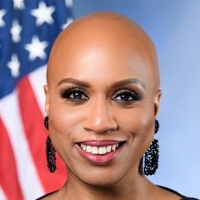
Ayanna Pressley
Representative
MA
Ayanna Pressley
Representative
MA
The **BE HEARD in the Workplace Act** comprehensively reforms workplace protections by mandating new anti-discrimination policies and training, while strengthening federal laws to explicitly protect LGBTQ+ individuals and expand filing deadlines for all workers. The bill also phases out the lower federal minimum wage for tipped employees and restricts employers' use of mandatory arbitration and non-disclosure agreements. Finally, it establishes federal grant programs to fund education, legal assistance, and state-level advocacy systems to combat workplace discrimination.
This resolution formally denounces any presidential attempt to nationalize or directly control federal elections, affirming that such authority rests with state legislatures and Congress.
Kweisi Mfume
Representative
MD
Kweisi Mfume
Representative
MD
This resolution formally denounces any suggestion by the President to unilaterally nationalize or take direct control over federal elections. It affirms that the Constitution reserves primary authority over elections to state legislatures and Congress, not the President. The bill declares that any attempt by the President to usurp this power would be unconstitutional and unlawful.
This bill establishes a pilot program to provide federal grants for creating local job guarantee programs in high-unemployment areas, ensuring employment with mandated wages and benefits for all applicants.
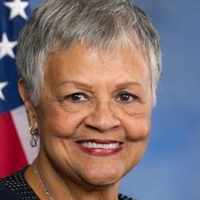
Bonnie Watson Coleman
Representative
NJ
Bonnie Watson Coleman
Representative
NJ
The Federal Jobs Guarantee Development Act of 2026 establishes a pilot program to combat high unemployment by awarding competitive grants for local job guarantee initiatives. These local programs must offer employment to all applicants in the area, providing wages and benefits meeting specific federal standards. The Act also creates a dedicated trust fund and expands tax credits to incentivize the hiring of former program participants.
The Pensions for All Act establishes federal grants to help states create retirement programs for uncovered private-sector workers and mandates that employers either offer a comparable plan or enroll employees in FERS, while also providing tax credits for contributions.
Delia Ramirez
Representative
IL
Delia Ramirez
Representative
IL
The Pensions for All Act aims to expand retirement security by providing federal grants to help states establish retirement programs for private-sector workers without workplace plans. It also mandates that employers either offer a comparable retirement plan or enroll employees in the Federal Employees Retirement System (FERS). Furthermore, the bill establishes tax credits for small employers and self-employed individuals contributing to these plans, alongside penalties for non-compliance.
The Representing our Seniors at VA Act of 2026 updates the membership requirements of the VA Geriatrics and Gerontology Advisory Committee to include representatives from veterans service organizations, State homes, and nursing home administration.
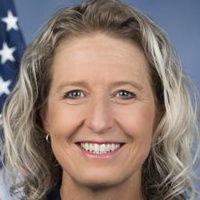
Jennifer Kiggans
Representative
VA
Jennifer Kiggans
Representative
VA
The Representing our Seniors at VA Act of 2026 updates the membership requirements for the Department of Veterans Affairs Geriatrics and Gerontology Advisory Committee. This legislation ensures the committee includes diverse representation from veterans service organizations, State homes, and licensed nursing home administrators to better support aging veterans.
This bill officially recognizes the cultural and historical significance of Lunar New Year in 2026 and expresses respect for those who celebrate it.
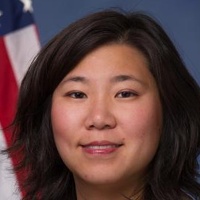
Grace Meng
Representative
NY
Grace Meng
Representative
NY
This bill officially recognizes the cultural and historical significance of Lunar New Year, specifically in 2026, the Year of the Horse. It expresses deep respect for Asian American communities and all who celebrate this important occasion. The resolution concludes by offering wishes for a happy and prosperous new year to all observers.
This Act repeals major U.S. sanctions against Cuba, normalizing trade, travel, and telecommunications while establishing a framework for property claims and human rights negotiations.
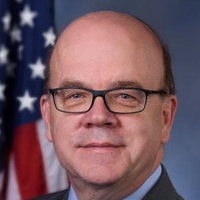
James McGovern
Representative
MA
James McGovern
Representative
MA
The United States-Cuba Trade Act of 2026 comprehensively repeals major U.S. sanctions laws against Cuba, effectively normalizing trade relations. This legislation removes restrictions on travel, exports, and financial remittances between the two nations. It also establishes a framework for the President to negotiate property claims and human rights protections with the Cuban government. The Act aims to promote democratic change in Cuba through the extension of nondiscriminatory trade treatment.
This Act prohibits online platforms from displaying fraudulent paid advertisements if they accepted payment and failed to take reasonable steps to prevent them, while also establishing new enforcement mechanisms.
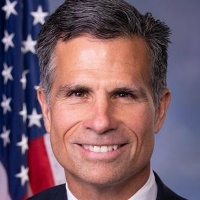
Daniel Meuser
Representative
PA
Daniel Meuser
Representative
PA
The Safeguarding Consumers from Advertising Misconduct Act (SCAM Act) holds online platforms accountable for displaying fraudulent or deceptive paid advertisements. It mandates that platforms implement strict advertiser verification procedures and actively detect and remove scam ads. This legislation establishes a private right of action for injured consumers and clarifies that existing Section 230 immunity does not apply to violations of this Act.
This Act mandates automatic spending reductions for Department of Defense components that fail to achieve a clean financial audit opinion after fiscal year 2025.
Mark Pocan
Representative
WI
Mark Pocan
Representative
WI
The Audit the Pentagon Act of 2026 addresses the Department of Defense's repeated failure to pass a financial audit. This bill establishes automatic spending reductions for any DoD component that fails to receive a clean audit opinion after fiscal year 2025. It also outlines Congressional priorities regarding protecting wounded warrior accounts and maintaining financial controls for classified programs.
This Act prohibits the discharge of plastic pellets and pre-production plastic materials into U.S. waters from industrial facilities through EPA regulations and permitting requirements.
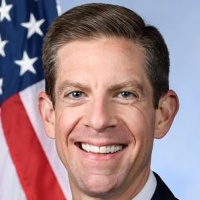
Mike Levin
Representative
CA
Mike Levin
Representative
CA
The Plastic Pellet Free Waters Act prohibits the discharge of plastic pellets and other pre-production plastic materials into U.S. waters from industrial facilities. This requires the EPA to swiftly issue a rule banning these discharges from facilities involved in the manufacturing, use, packaging, or transport of these plastics. The prohibition will be enforced through existing permitting and regulatory systems under the Federal Water Pollution Control Act.