This resolution formally denounces any presidential attempt to nationalize or directly control federal elections, affirming that such authority rests with state legislatures and Congress.
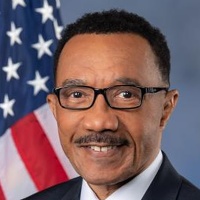
Kweisi Mfume
Representative
MD-7
This resolution formally denounces any suggestion by the President to unilaterally nationalize or take direct control over federal elections. It affirms that the Constitution reserves primary authority over elections to state legislatures and Congress, not the President. The bill declares that any attempt by the President to usurp this power would be unconstitutional and unlawful.
Senate and House Unite to Denounce Presidential Election Takeovers: Clarifying Constitutional Lines
Ever felt like there are just some lines you don't cross? Well, Congress is laying down a big one for the President when it comes to elections. This resolution from both the Senate and the House isn't creating new law, but it’s a strong, clear statement reminding everyone where the power to run elections really sits: with the states and, when it chooses, with Congress. Essentially, it's a firm handshake between the legislative branches saying, "Hands off our elections, Mr. President."
Who Runs the Show?
This resolution is pretty straightforward. It says the Constitution hands the primary authority for federal elections—think the 'times, places, and manner' of voting—to state legislatures. Congress also has a role if it decides to step in. What it doesn't say is that the President has any constitutional or statutory power to just take over or directly run elections. It's like clarifying that while the CEO can set the company vision, they don't get to personally manage every single department's daily operations. That's for the department heads and their teams, or in this case, the states.
The 2020 Echo and What's Off-Limits
Remember all the talk after the 2020 election? This resolution specifically calls out former President Donald J. Trump's public statements suggesting a federal takeover of election processes. The Senate’s part of the resolution notes he called for this in at least 15 instances. Both chambers are basically saying, "Nope, that's not how this works." They also flat-out state that those claims of widespread fraud in the 2020 election? They've been rejected by everyone from federal law enforcement to courts, and they have no credible basis. So, this isn't just about the future; it’s also a clear rejection of past rhetoric.
Crossing the Line: Unconstitutional and Impeachable
Here’s where it gets really serious. The resolution declares that any attempt by a President to unilaterally control federal elections, without a clear green light from Congress or the Constitution, would be illegal, unconstitutional, and without lawful effect. It's a big, bold warning sign. The House of Representatives even takes it a step further, stating that if a President actually tries to implement measures that unconstitutionally infringe on states' powers or violate laws passed by Congress, that conduct could be grounds for impeachment and removal from office under Article II of the Constitution. For everyday folks, this means that even if a President wanted to mess with how you vote, this resolution aims to make it clear they can't, and if they try, there could be major consequences. It’s about protecting the integrity of your ballot and the system that counts it, ensuring that the rules of the game aren't suddenly changed by one person at the top.