Legislative Activity
Track Rashida's sponsored bills, co-sponsored legislation, and voting record
This bill prohibits the use of federal funds for military force in or against Cuba through 2026, unless explicitly authorized by Congress or permitted under the War Powers Resolution.

Pramila Jayapal
Representative
WA
Pramila Jayapal
Representative
WA
This bill prohibits the use of federal funds for military action in or against Cuba through December 31, 2026. Exceptions are only permitted if Congress declares war, provides specific statutory authorization, or if the action aligns with the War Powers Resolution.
The Perinatal Workforce Act establishes grant programs and national initiatives to grow, diversify, and train a culturally competent maternal health workforce to improve health equity and patient outcomes.
Gwen Moore
Representative
WI
Gwen Moore
Representative
WI
The Perinatal Workforce Act aims to improve maternal health outcomes by expanding and diversifying the perinatal health workforce. The bill establishes grant programs to support training for midwives, nurses, and other perinatal health workers, with a focus on recruiting individuals from underserved and minority communities. Additionally, it mandates national campaigns, federal coordination, and research to promote culturally congruent care and address systemic barriers to maternal health access.
The Kira Johnson Act establishes grant programs and research initiatives to advance maternal health equity, reduce bias and discrimination in maternity care, and improve health outcomes for high-risk demographic groups.
Alma Adams
Representative
NC
Alma Adams
Representative
NC
The Kira Johnson Act aims to eliminate maternal health disparities by funding community-based organizations that provide evidence-based support to high-risk populations. The legislation also establishes grant programs to implement anti-bias training for maternity care providers and creates compliance programs to address racism and discrimination in clinical settings. Through these initiatives, the bill seeks to ensure respectful, culturally congruent care and improve health outcomes for pregnant and postpartum individuals.
The Ultra-Millionaire Tax Act of 2026 establishes an annual federal wealth tax on individuals with a net worth exceeding $50 million while increasing funding for IRS enforcement and taxpayer services.
Pramila Jayapal
Representative
WA
Pramila Jayapal
Representative
WA
The Ultra-Millionaire Tax Act of 2026 proposes a new annual federal wealth tax on individuals with a net worth exceeding $50 million, with rates ranging from 2% to 3% based on total assets. The legislation includes robust enforcement measures, such as increased IRS funding and mandatory audit requirements, to ensure compliance among the ultra-wealthy. Additionally, it strengthens foreign asset disclosure requirements to prevent tax avoidance.
The Data to Save Moms Act directs federal funding and research toward improving maternal health data collection, supporting maternal mortality review committees, and addressing disparities in maternal health outcomes for minority and underserved populations.
Sharice Davids
Representative
KS
Sharice Davids
Representative
KS
The Data to Save Moms Act aims to improve maternal health outcomes and eliminate disparities by enhancing data collection, research, and public awareness. The bill provides funding for Maternal Mortality Review Committees, supports community-based organizations addressing social determinants of health, and mandates training for providers on implicit bias and culturally congruent care. Additionally, it authorizes comprehensive studies and grant programs focused on high-risk populations, including racial and ethnic minority groups and American Indian and Alaska Native communities.
This bill directs the President to remove United States Armed Forces from unauthorized hostilities within or against Cuba.
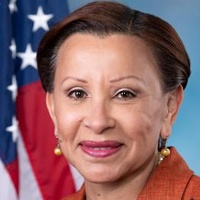
Nydia Velázquez
Representative
NY
Nydia Velázquez
Representative
NY
This bill directs the President to remove United States Armed Forces from any unauthorized hostilities within or against the Republic of Cuba. It asserts that current military actions in the region lack the necessary congressional declaration of war or specific authorization. The directive includes exceptions for self-defense against imminent threats and ongoing lawful counternarcotics operations.
This bill extends WIC eligibility and enhanced food benefits for postpartum and breastfeeding mothers from one year to 24 months.
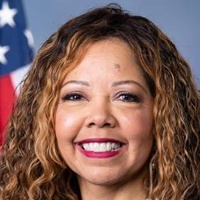
Lucy McBath
Representative
GA
Lucy McBath
Representative
GA
The Extending WIC for New Moms Act increases the duration of WIC eligibility for postpartum mothers from six months to 24 months. It also extends the period for receiving enhanced breastfeeding food packages to 24 months. Additionally, the bill mandates a comprehensive report to Congress evaluating the impact of these extensions on maternal and infant health outcomes.
The Supporting VA Families Act provides Department of Veterans Affairs employees with four additional weeks of unpaid parental leave following the birth, adoption, or foster placement of a child.
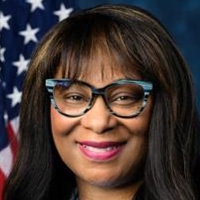
Janelle Bynum
Representative
OR
Janelle Bynum
Representative
OR
The Supporting VA Families Act establishes a supplemental parental leave program for Department of Veterans Affairs employees. This legislation provides eligible staff with four additional administrative weeks of unpaid leave following the birth, adoption, or foster care placement of a child. This benefit is designed to supplement, rather than replace, existing family and medical leave entitlements.
The GUARDRAILS Act repeals the December 2025 executive order on artificial intelligence and prohibits the use of federal funds for its implementation.
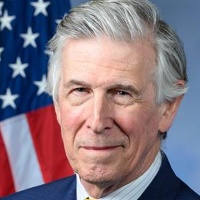
Donald Beyer
Representative
VA
Donald Beyer
Representative
VA
The GUARDRAILS Act repeals the December 11, 2025, Executive Order regarding national AI policy. This legislation prohibits the use of federal funds to implement or enforce the mandates set forth in that order.
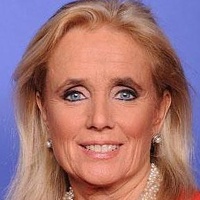
This resolution recognizes the observance of Ramadan and Eid al-Fitr in 2026, commends the spiritual significance of the month, and extends best wishes to Muslims globally.
Debbie Dingell
Representative
MI
Debbie Dingell
Representative
MI
This resolution recognizes the observance of the Muslim holy month of Ramadan and the celebration of Eid al-Fitr in 2026. It commends the spiritual significance of Ramadan and extends best wishes to Muslims in the United States and globally. The bill also acknowledges the significant contributions of American Muslims to the nation.
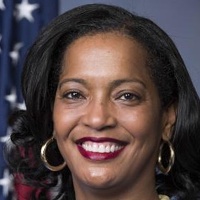
The Social Determinants for Moms Act establishes federal grant programs and a dedicated task force to improve maternal health outcomes by addressing the nonclinical social factors that impact pregnant and postpartum individuals.
Jahana Hayes
Representative
CT
Jahana Hayes
Representative
CT
The Social Determinants for Moms Act aims to reduce maternal mortality and health disparities by addressing the nonclinical factors that impact pregnancy and postpartum outcomes. The bill establishes federal grant programs to provide essential services—such as housing, nutrition, transportation, and childcare—to pregnant and postpartum individuals. Additionally, it creates a federal task force to coordinate cross-agency strategies to improve maternal health and support community-led initiatives across the country.
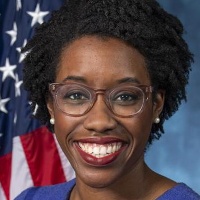
The Momnibus Act is a comprehensive legislative package designed to improve maternal health outcomes and reduce racial disparities by addressing social determinants, expanding nutritional and mental health support, diversifying the perinatal workforce, and investing in data-driven, community-based care.
Lauren Underwood
Representative
IL
Lauren Underwood
Representative
IL
The Momnibus Act is a comprehensive legislative package designed to end preventable maternal mortality and close racial and ethnic disparities in maternal health outcomes. By addressing social determinants of health, expanding nutritional and mental health support, and investing in a diverse, culturally competent workforce, the bill provides a holistic framework for improving care. Through targeted federal grants, enhanced data collection, and innovative technology, the Act aims to ensure that all pregnant and postpartum individuals receive the equitable, high-quality care they deserve.
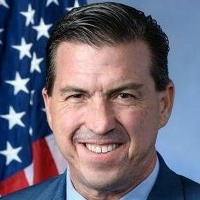
The CHATBOT Act mandates transparency for AI chatbots by prohibiting them from deceptively implying they possess professional licenses or are operated by licensed human professionals.
Kevin Mullin
Representative
CA
Kevin Mullin
Representative
CA
The CHATBOT Act mandates transparency for AI chatbots by prohibiting them from falsely implying they possess professional licenses or that their output is verified by a licensed human. The bill protects consumers in fields like healthcare, law, and finance by establishing federal and state enforcement mechanisms, as well as a private right of action for those harmed by deceptive AI practices.
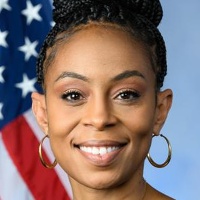
This bill establishes a federally funded nutrition assistance program to provide SNAP-equivalent benefits to lawfully present noncitizens who are currently ineligible due to their immigration status.
Shontel Brown
Representative
OH
Shontel Brown
Representative
OH
The Feeding Families Not Fear Act of 2026 establishes a nutrition assistance program for lawfully present noncitizens who are currently ineligible for SNAP benefits due to their immigration status. This initiative provides eligible individuals with monthly food assistance via EBT cards, mirroring the benefits and standards of the regular SNAP program. The bill authorizes $3 billion in annual funding through 2029 to ensure food security for these households.
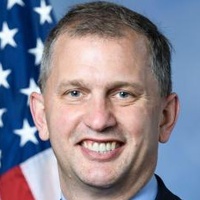
The Energy Bills Relief Act aims to lower energy costs for families by reversing clean energy rollbacks, expanding assistance programs, streamlining grid upgrades, and increasing transparency in utility regulation.
Sean Casten
Representative
IL
Sean Casten
Representative
IL
The Energy Bills Relief Act is a comprehensive bill designed to lower energy costs for American families, accelerate the deployment of low-cost, clean energy, and modernize the nation's electricity grid. It achieves this by reversing harmful policies against renewables, expanding energy assistance programs, streamlining grid connection processes, and increasing transparency in utility regulation. Ultimately, the legislation aims to create a more reliable, affordable, and cleaner energy system while ensuring communities have a stronger voice in energy development.
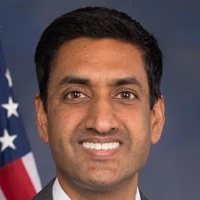
This bill imposes a 50% excise tax on the windfall profits of major oil companies when oil prices exceed 2025 averages, with revenues funding quarterly, income-limited gasoline price rebates for eligible individuals.
Ro Khanna
Representative
CA
Ro Khanna
Representative
CA
This bill imposes a 50% excise tax on the windfall profits of major oil companies when crude oil prices exceed a 2025 average benchmark. Revenue generated funds a new trust, which is then used to provide quarterly, refundable gasoline price rebates to eligible individuals. The rebate amount is subject to income phase-outs and requires a valid Social Security number for full credit.
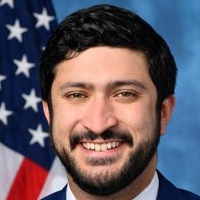
The BETS OFF Act prohibits wagering on sensitive government, military, and geopolitical events, such as acts of terrorism, war, or assassinations.
Gregorio Casar
Representative
TX
Gregorio Casar
Representative
TX
The Banning Event Trading on Sensitive Operations and Federal Functions (BETS OFF) Act prohibits wagering on sensitive events such as acts of terrorism, assassinations, wars, and other government-controlled activities. By amending federal law to classify these bets as illegal gambling, the bill aims to prevent the exploitation of high-stakes geopolitical and public safety events. The legislation empowers the Attorney General to pursue civil enforcement against violators and restricts such trading on financial exchanges.
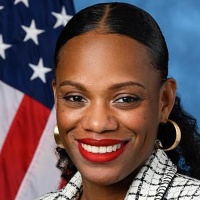
This resolution impeaches U.S. Attorney General Pamela Bondi for high crimes and misdemeanors, including the abuse of power, obstruction of justice, and the politicization of the Department of Justice.
Summer Lee
Representative
PA
Summer Lee
Representative
PA
This resolution initiates impeachment proceedings against U.S. Attorney General Pamela Bondi, charging her with high crimes and misdemeanors. The articles allege a pattern of abuse of power, including the unlawful withholding of subpoenaed Jeffrey Epstein files, the politicization of the Department of Justice, and the targeting of political opponents and journalists. Furthermore, the bill accuses Bondi of misleading Congress and the courts, violating her constitutional oath, and subverting the rule of law.
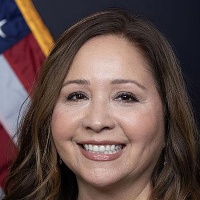
This bill protects the Chí’chil Biłdagoteel Historic District by prohibiting mineral extraction and land transfers to ensure the preservation of this sacred site for Native American tribes.
Adelita Grijalva
Representative
AZ
Adelita Grijalva
Representative
AZ
The Preserve the Traditional Cultural Place Chí’chil Biłdagoteel Historic District Act seeks to protect the sacred Oak Flat area by prohibiting all mineral exploration, development, and extraction activities on National Forest System land within the district. The bill mandates that the Secretary of Agriculture manage the area to preserve its cultural and historical integrity in consultation with affected Indian Tribes. Additionally, it prevents the transfer of these lands to Resolution Copper, ensuring the site remains protected from industrial development.
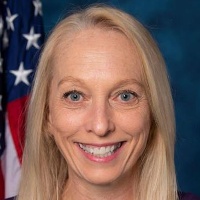
The Take Back Our Hospitals Act of 2026 prohibits Medicare payments to hospitals and skilled nursing facilities owned or controlled by private equity funds or real estate investment trusts.
Mary Scanlon
Representative
PA
Mary Scanlon
Representative
PA
The Take Back Our Hospitals Act of 2026 prohibits Medicare payments to hospitals and skilled nursing facilities owned or controlled by private equity funds or real estate investment trusts. This legislation aims to reduce the influence of investment firms in healthcare by mandating divestiture or loss of federal funding. Existing facilities are granted a three-year transition period to comply with these new ownership restrictions.