This bill establishes a politically balanced National Council on African American History and Culture within the National Endowment for the Humanities to advise on policy, monitor preservation efforts, and report on the celebration of African American history and culture.
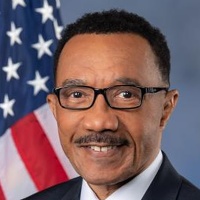
Kweisi Mfume
Representative
MD-7
This bill establishes the National Council on African American History and Culture within the National Endowment for the Humanities. The Council will consist of 12 presidentially appointed members tasked with advising on national policy related to preserving and celebrating African American history and culture. Its duties include monitoring relevant efforts, evaluating NEH programs, and submitting annual reports. The Council is set to terminate ten years after the law's enactment.
New National Council on African American History and Culture to Launch: 12-Member Bipartisan Board to Shape Policy Through 2036.
The National Council on African American History and Culture Act of 2026 creates a specialized 12-member body within the National Endowment for the Humanities (NEH) to oversee how the U.S. preserves and celebrates Black history. This isn't just a symbolic group; the Council is tasked with monitoring national trends, auditing existing NEH programs, and drafting formal policy recommendations for the President. Every member must be a private citizen with a proven track record in scholarship or cultural work, ensuring the group is led by experts rather than career bureaucrats. To keep things balanced, the bill strictly mandates a 50/50 split between Democrats and Republicans, and the Chairperson and Vice Chairperson cannot belong to the same party (Section 2).
A Bipartisan Blueprint for History
By requiring a six-six split between the major political parties, the bill attempts to insulate cultural preservation from shifting political winds. For a researcher at a local historical society or a curator at a city museum, this means the national standards and grant priorities being developed are less likely to flip-flop every four years. The Council is also required to ensure representation for women, people of color, and individuals with disabilities. This matters because it ensures that the 'national story' being preserved includes diverse perspectives—like documenting the specific contributions of Black inventors with disabilities or the often-overlooked history of African American women in the labor movement.
Real-World Research and Reports
The Council’s daily grind involves gathering data on how museums and cultural organizations are faring across the country. If you’re a teacher or a small-town librarian, the Council’s work could eventually dictate what resources are available for your community’s Black History Month programming or which local landmarks get federal recognition. Under Section 2, the Council must meet at least twice a year and produce an annual report evaluating how well the NEH is doing its job. They are also empowered to conduct specific studies on cultural preservation, which could lead to new national policies that help small, underfunded local archives digitize their records for public use.
The Ten-Year Clock
While the bill provides a steady structure, it includes a clear 'sunset clause'—the Council will automatically dissolve 10 years after the law is enacted. This creates a decade-long window to professionalize and stabilize the way the U.S. handles African American history. Members will be paid a daily rate equivalent to 50 percent of senior-level federal pay (above GS-15) only for the days they are actually working, which keeps costs tied directly to productivity. The main challenge will be the quorum requirement; with nine members needed to hold a hearing, a few vacancies or absences could temporarily stall the Council’s ability to make formal decisions on policy recommendations.