Legislative Activity
Track Clay's sponsored bills, co-sponsored legislation, and voting record
The Law Enforcement Education Grant Program Act of 2025 establishes a new federal grant program to fund up to $16,000 for individuals pursuing degrees in law enforcement or criminal justice, contingent upon a four-year service commitment as an officer afterward, while simultaneously repealing existing university sustainability programs.
Michelle Fischbach
Representative
MN
Michelle Fischbach
Representative
MN
The Law Enforcement Education Grant Program Act of 2025 establishes a new federal grant program to provide up to $4,000 annually for individuals pursuing associate's or bachelor's degrees in law enforcement or criminal justice. Recipients must agree to serve as a full-time law enforcement officer for four years after graduation or repay the funds with interest. Additionally, this Act repeals existing federal programs related to university sustainability found under Part U of the Higher Education Act of 1965.
This act, also known as the COUNTER Act, updates the Department of Defense's authority and procedures for neutralizing drone threats to U.S. assets while ensuring related security information remains confidential.
August Pfluger
Representative
TX
August Pfluger
Representative
TX
The COUNTER Act enhances the Department of Defense's authority to neutralize threats from unmanned aircraft systems targeting U.S. assets. This legislation delegates specific response powers and updates mitigation rules for drone threats. Crucially, it exempts sensitive information regarding these counter-drone technologies and procedures from public disclosure under the Freedom of Information Act. The bill also adjusts several deadlines and clarifies the applicability of certain federal laws when operating overseas to counter these threats.
This bill phases out the enhanced federal funding match for Medicaid coverage provided to low-income adults between 2027 and 2034, while establishing new rules for states that have not yet expanded Medicaid.

Chip Roy
Representative
TX
Chip Roy
Representative
TX
The Ending Medicaid Discrimination Against the Most Vulnerable Act modifies the enhanced federal funding structure for Medicaid coverage provided to low-income adults. This bill establishes a gradual phase-out of the enhanced Federal Medical Assistance Percentage (FMAP) between 2027 and 2034, with the extra funding ending entirely in 2035. Furthermore, the legislation alters the incentives for states that have not yet expanded Medicaid coverage, potentially limiting future enhanced funding for those states if they expand after 2024.
The SERVICE Act of 2025 establishes a pilot program to fund local law enforcement grants for creating specialized Veterans Response Teams to better assist veterans in crisis.
Dale Strong
Representative
AL
Dale Strong
Representative
AL
The SERVICE Act of 2025 establishes a five-year pilot program to create specialized Veterans Response Teams within local law enforcement agencies through federal grants. These teams will focus on improving interactions between law enforcement and veterans in crisis by fostering collaboration with the VA and providing specialized training. The teams will also establish 24/7 volunteer response networks and track outcomes to better serve the veteran community.
This bill removes federal tax and registration requirements for firearm silencers, preempts certain state regulations, mandates the destruction of existing federal silencer owner records, and updates related definitions and marking requirements.
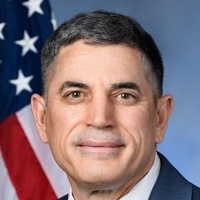
Andrew Clyde
Representative
GA
Andrew Clyde
Representative
GA
The Constitutional Hearing Protection Act aims to treat firearm silencers equally under federal tax law by updating definitions and removing certain registration requirements if existing firearm laws are followed. The bill also preempts state and local governments from imposing special taxes or registration burdens on silencers. Furthermore, it mandates the destruction of existing federal records identifying silencer owners within one year of enactment.
The Shipbuilding and Harbor Infrastructure for Prosperity and Security for America Act of 2025 establishes a centralized maritime authority, creates a dedicated funding trust, strengthens sealift capability, mandates increased use of U.S.-flagged vessels, invests heavily in domestic shipbuilding, and enhances workforce development and tax incentives for the maritime industry.
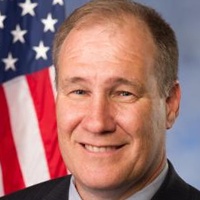
Trent Kelly
Representative
MS
Trent Kelly
Representative
MS
The **Shipbuilding and Harbor Infrastructure for Prosperity and Security for America Act of 2025** is a comprehensive bill designed to revitalize the U.S. maritime industry and secure critical supply chains. It establishes new centralized oversight for maritime policy, creates a dedicated Maritime Security Trust Fund financed by new vessel taxes, and mandates significant federal investment in domestic shipbuilding and workforce development. The legislation also imposes stricter cargo preference rules and tax incentives to ensure U.S.-flagged vessels dominate international commerce and defense sealift operations.
The BRIDGE Production Act of 2025 mandates accelerated and streamlined offshore oil and gas lease sales in the Gulf of America and Cook Inlet while limiting environmental review requirements for Gulf operations.
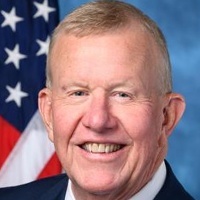
Mike Ezell
Representative
MS
Mike Ezell
Representative
MS
The BRIDGE Production Act of 2025 mandates an aggressive schedule for offshore oil and gas lease sales in the Gulf of America and Cook Inlet, requiring at least 26 new sales over the next decade. It streamlines environmental reviews and judicial processes to accelerate lease issuance and speed up production approvals. Furthermore, the bill establishes automatic backup leasing schedules if future five-year plans fail to meet minimum sale requirements.
This bill prohibits the IRS from purchasing or possessing firearms and ammunition, mandates the transfer and sale of existing IRS weapons to the GSA for deficit reduction, and shifts all federal tax crime investigation authority from the IRS to the Department of Justice.
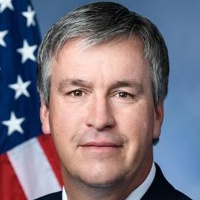
Barry Moore
Representative
AL
Barry Moore
Representative
AL
The Why Does the IRS Need Guns Act prohibits the IRS Commissioner from using funds to purchase or store firearms and ammunition, effective 120 days after enactment. The bill mandates the transfer of all existing IRS firearms and ammunition to the General Services Administration (GSA) for sale within four months. Furthermore, it shifts the responsibility for administering and enforcing criminal investigations related to federal tax laws from the IRS to the Attorney General within 90 days. This includes transferring the entire IRS Criminal Investigation Division to the Department of Justice.
The Safeguard American Voter Eligibility (SAVE) Act mandates that individuals registering to vote in federal elections must present documentary proof of U.S. citizenship.
Chip Roy
Representative
TX
Chip Roy
Representative
TX
The Safeguard American Voter Eligibility Act (SAVE Act) significantly amends federal law to require individuals registering to vote in federal elections to present documentary proof of U.S. citizenship. This legislation mandates that states actively clean their voter rolls and cooperate with federal agencies to verify citizenship status. It establishes new criminal penalties for officials who fail to enforce these documentation requirements.
The No Rogue Rulings Act of 2025 severely limits federal district courts from issuing injunctions that affect non-parties, with an exception for multi-state lawsuits against the executive branch heard by a randomly selected three-judge panel.
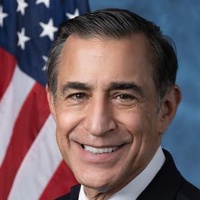
Darrell Issa
Representative
CA
Darrell Issa
Representative
CA
The No Rogue Rulings Act of 2025 significantly restricts federal district courts from issuing injunctions that affect parties not directly involved in a lawsuit. An exception allows a specially convened, randomly selected three-judge panel to issue broad injunctions in multi-state lawsuits against the executive branch. Decisions made by this panel regarding injunctions can be appealed directly to the Supreme Court or the relevant circuit court at the losing party's discretion.
This Act mandates the reimbursement of interest payments made by local governments and electric cooperatives on loans used for disaster recovery activities eligible under the Stafford Act.
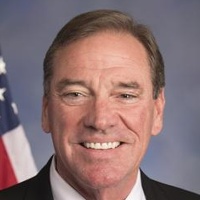
Neal Dunn
Representative
FL
Neal Dunn
Representative
FL
The FEMA Loan Interest Payment Relief Act establishes a program for FEMA to reimburse local governments and electric cooperatives for interest paid on specific disaster recovery loans. This reimbursement is capped at the lesser of the actual interest paid or the interest calculated using the Federal Reserve's prime rate. The law mandates FEMA to quickly establish procedures for states to apply for reimbursement of qualifying interest paid up to nine years prior to enactment.
This act prohibits the Federal Motor Carrier Safety Administration from mandating speed limiting devices on interstate commercial vehicles over 26,000 pounds.
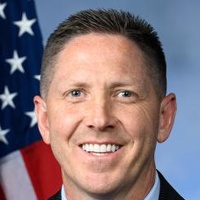
Josh Brecheen
Representative
OK
Josh Brecheen
Representative
OK
The DRIVE Act prohibits the Federal Motor Carrier Safety Administration from mandating speed limiting devices on heavy commercial vehicles engaged in interstate commerce. This legislation removes any federal requirement for trucks over 26,000 pounds to have their top speed electronically capped. In essence, the bill deregulates restrictions concerning speed control technology for large, cross-state eighteen-wheelers.
This Act mandates a 180-day deadline for federal initiation of flood control repairs following a natural disaster request and adjusts the cost-sharing formula for those emergency repairs.
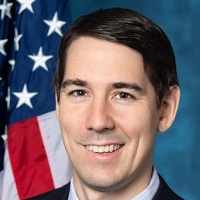
Josh Harder
Representative
CA
Josh Harder
Representative
CA
The Safeguarding Our Levees Act mandates a strict 180-day deadline for the government to begin emergency repairs on flood control projects following a natural disaster, upon request from local sponsors. This legislation also modifies the cost-sharing formula for these emergency restoration efforts between federal and local entities. The goal is to significantly speed up the restoration of vital flood defenses.
The TAKE IT DOWN Act establishes federal criminal penalties for sharing nonconsensual intimate images (real or digitally forged) and mandates that covered online platforms remove such content within 48 hours of receiving a valid request.

Maria Salazar
Representative
FL
Maria Salazar
Representative
FL
The TAKE IT DOWN Act establishes federal criminal penalties for the intentional sharing of both real and digitally forged nonconsensual intimate images, with stricter penalties for images involving minors. It mandates that covered online platforms create a clear process for victims to request the removal of such content within 48 hours. Failure by platforms to reasonably comply with these removal requests will be treated as an unfair or deceptive practice enforced by the Federal Trade Commission (FTC).
This resolution affirms that members of Tren de Aragua constitute alien enemies perpetrating an invasion and supports the President's constitutional authority to repel this threat.

Andy Biggs
Representative
AZ
Andy Biggs
Representative
AZ
This resolution affirms Congress's agreement with the President's use of executive authority to address the threat posed by the criminal organization Tren de Aragua. It formally declares members of the group to be "alien enemies" engaged in an invasion of the United States. The bill supports the President's actions to detain and remove these individuals under the Alien Enemies Act of 1798.
The RIFLE Act eliminates the federal tax on firearm transfers and makes corresponding technical changes to the tax code without affecting CPSC oversight of regulated firearms.
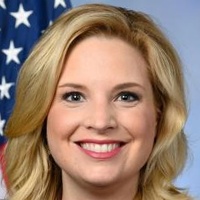
Ashley Hinson
Representative
IA
Ashley Hinson
Representative
IA
The Repealing Illegal Freedom and Liberty Excises Act (RIFLE Act) eliminates the existing federal tax on firearm transfers. This legislation strikes the relevant section from the Internal Revenue Code and makes necessary technical updates to related statutes. Importantly, this Act does not grant the Consumer Product Safety Commission any new authority over regulated firearms.
This Act permits 501(c)(3) organizations to make political campaign statements within the ordinary course of their tax-exempt activities, provided the cost is de minimis.
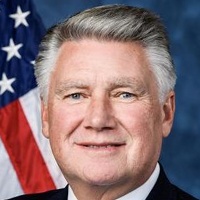
Mark Harris
Representative
NC
Mark Harris
Representative
NC
The Free Speech Fairness Act amends tax law to allow 501(c)(3) organizations to make political campaign statements without jeopardizing their tax-exempt status. This protection applies only if the statement is made as part of the organization's ordinary course of activities and incurs only a de minimis (trivial) cost. This ensures non-profits can speak on political matters related to their mission without penalty, provided spending remains minimal.
This bill formally initiates the Senate trial to remove Chief Judge James E. Boasberg for alleged failure to maintain good behavior through judicial overreach concerning national security and undisclosed payments.
Andy Biggs
Representative
AZ
Andy Biggs
Representative
AZ
This bill formally transmits an Article of Removal from the House of Representatives to the Senate regarding Chief Judge James E. Boasberg of the U.S. District Court for the District of Columbia. The House asserts that the Judge failed to maintain the "good behavior" required by the Constitution. The accusations center on alleged partisan interference with the President's foreign policy and national security authority, including an order concerning the return of certain individuals. The Senate is now tasked with considering whether to convict and remove Judge Boasberg from office.
This bill expands eligibility for loans and financial services from Farm Credit Banks and Production Credit Associations to businesses that directly support the operating needs of aquatic product producers and harvesters.

Chellie Pingree
Representative
ME
Chellie Pingree
Representative
ME
The Fishing Industry Credit Enhancement Act of 2025 expands access to credit and financial services from Farm Credit Banks and Production Credit Associations. This legislation specifically allows these entities to offer loans to businesses that provide essential services directly supporting the operations of aquatic product producers and harvesters. The bill amends the Farm Credit Act of 1971 to include these vital support industries.
The SHORT Act redefines "firearm" to exclude certain collector's items, eliminates disparate federal treatment of short-barreled rifles and shotguns, preempts state and local registration/tax burdens on these items, and mandates the destruction of certain existing NFA records.
Andrew Clyde
Representative
GA
Andrew Clyde
Representative
GA
The SHORT Act aims to reform federal firearms regulations by redefining what constitutes a "firearm" for tax purposes, largely excluding antique or collector's items. It eliminates disparate federal treatment for short-barreled rifles and shotguns used lawfully and preempts state and local governments from imposing special taxes or registration requirements on these specific weapons. Furthermore, the bill mandates the destruction of certain existing federal registration and transfer records related to defined firearms.