Legislative Activity
Track Clay's sponsored bills, co-sponsored legislation, and voting record
This resolution formally condemns the assassination of Charlie Kirk and reaffirms the right to peaceful assembly against political violence.
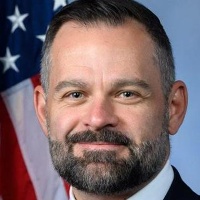
Cory Mills
Representative
FL
Cory Mills
Representative
FL
This resolution formally condemns the horrific political assassination of conservative spokesman Charlie Kirk on September 10, 2025, in Orem, Utah. It expresses deep condolences to his family and recognizes the bravery of the first responders at the scene. Ultimately, the measure reaffirms the fundamental American right to peaceful assembly and stands firmly against political violence.
This Act transfers the appointment authority of the District of Columbia Attorney General from the current process to direct appointment by the President, serving at the President's pleasure.
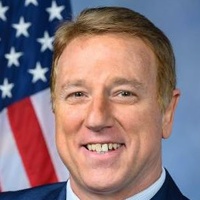
Patrick Fallon
Representative
TX
Patrick Fallon
Representative
TX
This bill, the District of Columbia Attorney General Appointment Reform Act of 2025, changes the appointment process for the D.C. Attorney General. It transfers the authority to appoint the Attorney General to the President of the United States, with the appointee serving at the President's pleasure. The current Attorney General's term will immediately end upon the law's enactment.
The SOAR Act Improvements Act extends grant durations, adjusts funding use to include pre-K, modifies accreditation rules, increases total available funds, and updates program evaluation and reporting requirements.
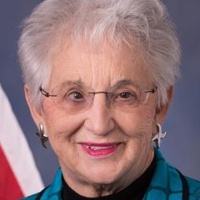
Virginia Foxx
Representative
NC
Virginia Foxx
Representative
NC
The SOAR Act Improvements Act modifies the Scholarships for Opportunity and Results (SOAR) Act by extending grant durations, expanding scholarship use to pre-kindergarten, and increasing the total available funds. It also updates accreditation timelines for participating schools and revises evaluation requirements, including new mandates for reporting on school safety incidents. Finally, this legislation extends the authorization for the scholarship program through fiscal year 2032.
This Act significantly increases mandatory minimum prison sentences for serious violent crimes in the District of Columbia, including murder, rape, sexual abuse, kidnapping, carjacking, and first-degree burglary.
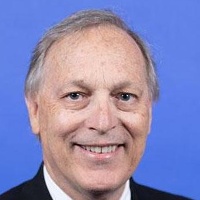
Andy Biggs
Representative
AZ
Andy Biggs
Representative
AZ
The Strong Sentences for Safer D.C. Streets Act of 2025 significantly increases mandatory minimum prison sentences for several serious violent crimes in the District of Columbia. This legislation raises the minimum penalties for offenses including first-degree murder, rape, carjacking, and first-degree burglary. The changes will only apply to criminal acts committed on or after the date the bill is officially enacted into law.
This act updates the population threshold defining an "urban area" to maintain eligibility for Rural Health Clinics under the Medicare program, effective January 1, 2027.
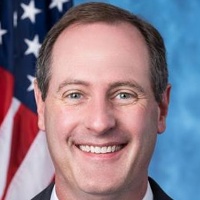
Tracey Mann
Representative
KS
Tracey Mann
Representative
KS
The Rural Health Clinic Location Modernization Act of 2025 updates the criteria for clinics to qualify as Rural Health Clinics (RHCs) under Medicare. This legislation revises the definition of an "urban area," setting a new population threshold of 50,000 people to determine eligibility. These changes to the location standards will take effect starting January 1, 2027.
This Act modernizes Medicare utilization requirements for rural facilities employing Physician Assistants and Nurse Practitioners by aligning their practice and oversight with state laws.
Tracey Mann
Representative
KS
Tracey Mann
Representative
KS
The Modernizing Rural Physician Assistant and Nurse Practitioner Utilization Act of 2025 updates Medicare payment requirements for facilities not directly directed by a physician. It mandates that these facilities must have formal arrangements with Physician Assistants (PAs) or Nurse Practitioners (NPs) whose practice adheres to state laws and regulations. These changes are set to take effect on January 1, 2027.
This bill penalizes states that issue driver's licenses to individuals without proof of lawful presence or restrict the sharing of immigration enforcement information with the Department of Homeland Security by withholding federal Byrne Grant funds.
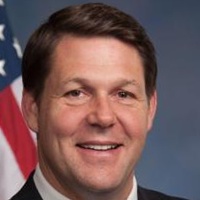
Jodey Arrington
Representative
TX
Jodey Arrington
Representative
TX
This Act, the Stop Greenlighting Driver Licenses for Illegal Immigrants Act, penalizes states that issue driver's licenses to individuals lacking proof of lawful presence. It also targets states that restrict local officials from sharing immigration enforcement data with the Department of Homeland Security. States found in violation must return unspent Edward Byrne Memorial Justice Assistance Grant funds and become ineligible for future funding until compliance is achieved.
This Act mandates parental consent for any school action supporting a student's gender identity different from their biological sex, tying compliance to federal education funding and allowing parents to sue for violations.
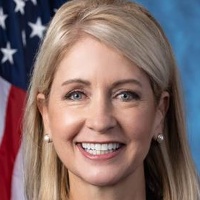
Mary Miller
Representative
IL
Mary Miller
Representative
IL
The Empower Parents to Protect their Kids Act mandates that schools receiving federal funding must obtain explicit parental consent before taking any action supporting a student's gender transition that differs from their biological sex. This legislation prohibits school staff from encouraging students to keep secrets from parents regarding gender identity or from hiding information about a student's transition plans. Parents are granted the right to sue schools directly for violations of these parental notification and consent requirements.
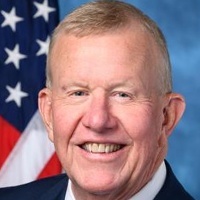
This resolution commemorates the 20th anniversary of Hurricanes Katrina and Rita, recognizing the devastation, praising recovery efforts, and reaffirming commitment to the rebuilding of the Gulf Coast region.
Mike Ezell
Representative
MS
Mike Ezell
Representative
MS
This resolution commemorates the 20th anniversary of Hurricanes Katrina and Rita, recognizing the immense devastation and loss suffered across the Gulf Coast. It honors the heroic efforts of first responders and the resilience of the affected communities. Furthermore, the resolution reaffirms the commitment to supporting the ongoing rebuilding, renewal, and restoration of the vital Gulf Coast region.
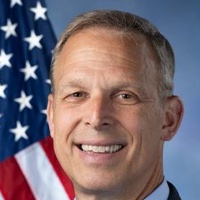
This Act increases federal penalties for union-related interference with commerce through threats or violence, while reserving prosecution for minor, non-coordinated incidents to state and local authorities.
Scott Perry
Representative
PA
Scott Perry
Representative
PA
The Freedom From Union Violence Act of 2025 amends federal law regarding interference with commerce through threats or violence, increasing penalties for robbery and extortion. It creates an exemption from federal prosecution for minor acts of violence or property damage during a labor dispute, reserving those cases for state and local authorities. This Act does not alter existing federal labor laws.
This bill extends the emergency period during which the President can exercise control over the Metropolitan Police Department from 30 days to 180 days.
Andy Biggs
Representative
AZ
Andy Biggs
Representative
AZ
This bill amends the District of Columbia Home Rule Act to significantly extend the emergency period during which the President may exercise control over the Metropolitan Police Department. Specifically, it changes the standard emergency declaration period from 30 days to 180 days. This extension applies to both current and future emergency declarations made under the relevant section of the Act.
This Act mandates that individuals charged with offenses in the District of Columbia must execute a secured appearance bond to be released pending trial.
Andy Biggs
Representative
AZ
Andy Biggs
Representative
AZ
The Keep Offenders Off Our Streets Act mandates that individuals charged with offenses in the District of Columbia must execute a secured appearance bond to be released pending trial. This legislation explicitly prohibits the D.C. government from allowing release on personal recognizance or unsecured bonds. The Act amends D.C. Code provisions to ensure that release is conditioned upon a financial guarantee ensuring court appearance.
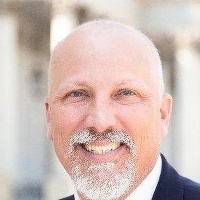
This Act establishes a federal database to identify and prohibit federal funding for state and local governments deemed to have sanctuary policies that conflict with immigration enforcement.
Chip Roy
Representative
TX
Chip Roy
Representative
TX
The Sanctuary Penalty and Public Protection Act of 2025 establishes a federal database to identify and publicly list state and local governments deemed to have policies that obstruct federal immigration enforcement. Jurisdictions placed on this "sanctuary jurisdiction" list will be prohibited from receiving or using any new federal funding. This act aims to penalize local governments that refuse to fully cooperate with federal immigration detainers and enforcement requests.
This resolution formally recognizes the massive national debt and annual deficits as a direct threat to U.S. national security and commits Congress to regular order in addressing the fiscal crisis.
Andy Biggs
Representative
AZ
Andy Biggs
Representative
AZ
This resolution formally declares the escalating national debt a significant threat to U.S. national security. It outlines the current alarming financial picture, including massive deficits and unsustainable spending levels. The bill commits Congress to returning to regular order for budgeting and addressing the fiscal crisis.
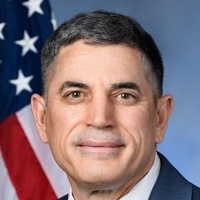
This bill requires the District of Columbia to allow Members of Congress with valid concealed carry permits from their home states to carry concealed firearms within the District.
Andrew Clyde
Representative
GA
Andrew Clyde
Representative
GA
This bill would require the District of Columbia to recognize valid concealed carry permits or the legal right to carry a concealed firearm held by Members of Congress from their home states. Specifically, it allows Senators, Representatives, Delegates, and Resident Commissioners to carry a concealed firearm in D.C. provided they meet federal eligibility requirements and carry proper identification.
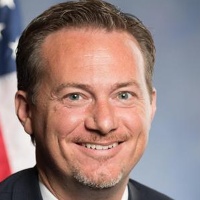
This resolution commends the Coast Guard Air Station Corpus Christi crew of CG-6553 and all responders for their heroic and courageous efforts during the catastrophic central Texas flooding.
Michael Cloud
Representative
TX
Michael Cloud
Representative
TX
This resolution commends the heroic efforts and courageous response of the Coast Guard, specifically Air Station Corpus Christi and the crew of CG-6553, following catastrophic flooding in central Texas. It specifically honors the crew for successfully executing dangerous rescues amid severe weather and recognizes the broader Coast Guard deployment. Furthermore, the resolution extends gratitude to all federal, state, local responders, and volunteers who aided in the disaster relief efforts.
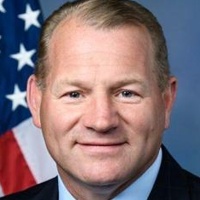
This resolution expresses congressional disapproval of the United States Fish and Wildlife Service's submitted rule regarding the Barred Owl Management Strategy.
Troy Nehls
Representative
TX
Troy Nehls
Representative
TX
This joint resolution expresses the disapproval of Congress regarding the United States Fish and Wildlife Service's recently submitted rule on the "Barred Owl Management Strategy." By invoking the Congressional Review Act, this action nullifies the proposed management strategy, preventing it from taking legal effect. Essentially, Congress is rejecting the USFWS's plan for managing Barred Owls.
This bill ends the liability shield for vaccine manufacturers by allowing individuals to sue directly in court or seek compensation through the existing program, while also removing time limits for program claims and excluding COVID-19 vaccines from countermeasure liability protections.

Paul Gosar
Representative
AZ
Paul Gosar
Representative
AZ
The End the Vaccine Carveout Act fundamentally changes vaccine injury compensation by allowing individuals to choose between filing a claim through the existing National Vaccine Injury Compensation Program or suing the manufacturer or administrator directly in court. This legislation removes the liability shield for vaccine makers and eliminates time limits for filing claims with the Program. Additionally, it specifically excludes COVID-19 vaccines from existing countermeasure liability protections.
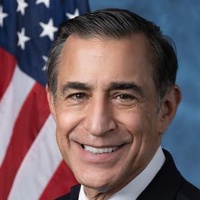
This Act preempts state and local governments from imposing handgun design or feature requirements on firearms in interstate commerce that are not already mandated by federal law.
Darrell Issa
Representative
CA
Darrell Issa
Representative
CA
The Modern Firearm Safety Act preempts state and local governments from imposing handgun design or feature requirements beyond existing federal law. This bill prevents jurisdictions from mandating specific features, such as loaded chamber indicators or magazine insertion sensors, on handguns sold or shipped across state lines. The goal is to standardize federal requirements and limit local restrictions on firearm manufacturing and commerce.
This Act prohibits covered foreign entities from acquiring or leasing U.S. agricultural land and temporarily bans them from purchasing residential real estate, imposing severe penalties for non-compliance.
Mary Miller
Representative
IL
Mary Miller
Representative
IL
This Act prohibits "covered foreign entities," primarily defined as those connected to the People's Republic of China, from acquiring or leasing U.S. agricultural land. Covered entities currently owning such land must divest within one year or face severe daily fines and potential criminal forfeiture. Additionally, the bill imposes a temporary two-year ban on these same entities purchasing residential real estate, with separate penalties for non-compliance. The legislation mandates the creation of new enforcement offices within the Departments of Agriculture and Commerce to oversee compliance.