The SHUSH Act removes firearm silencers from the definition of "firearms" under federal law, eliminating the associated taxes, registration requirements, and state-level restrictions.
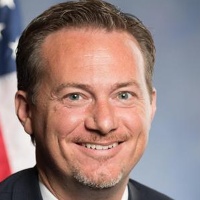
Michael Cloud
Representative
TX-27
The SHUSH Act (Silencers Help Us Save Hearing Act) removes firearm silencers from the definition of "firearms" under federal law, effectively eliminating the associated registration requirements, transfer taxes, and federal restrictions. The bill also preempts state and local laws that impose specific regulations on silencers and removes enhanced criminal penalties related to their use.
SHUSH Act Aims to End Federal Registration and Taxes for Firearm Silencers
The Silencers Help Us Save Hearing (SHUSH) Act proposes a major shift in how the federal government handles firearm suppressors. Currently, silencers are lumped into the same high-security category as machine guns under the National Firearms Act (NFA), requiring a $200 tax stamp, months of waiting for background checks, and mandatory registration with the ATF. This bill would strip silencers from the NFA definition entirely (Section 2), treating them like standard firearms and ending the specialized federal paperwork and tax requirements that have been in place for decades.
Cutting the Red Tape
By removing silencers from the NFA, the bill essentially treats them like the rifle or handgun they are attached to. Under Section 3, if you are legally allowed to own a standard firearm, you would be considered in full compliance with federal licensing for a silencer. This change would be life-changing for a target shooter or hunter who currently has to wait up to a year for a tax stamp just to protect their hearing at the range. The bill even goes a step further by making the tax repeal retroactive to October 2015, potentially opening the door for refunds for those who bought silencers in recent years.
State Rules and Local Limits
One of the most significant parts of this bill is the 'preemption' clause in Section 4. Right now, even if federal law allows silencers, individual states can pass their own laws requiring extra taxes or registration. The SHUSH Act would effectively hit the 'delete' button on those state-level requirements. For a resident in a state with strict local registration, this means the state could no longer force you to keep separate records or pay local fees just to own a suppressor. This provides a uniform national standard but also strips local governments of their current power to track these items within their borders.
Changes to the Legal Landscape
The bill also changes how the law views silencers in criminal contexts. Section 5 removes language that currently adds extra years to a prison sentence if a silencer is used during a violent crime or drug trafficking. While the underlying crime remains illegal, the specific 'penalty booster' for the suppressor vanishes. Additionally, the bill allows active and retired law enforcement officers to carry concealed firearms with silencers, a practice currently restricted under federal law. While proponents argue this protects the hearing of those in uniform, critics of the bill point out that easier access and reduced penalties could make it harder for law enforcement to monitor the spread of equipment that makes gunfire harder to detect in urban environments.