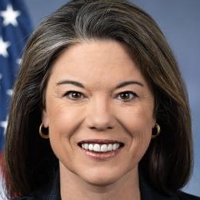
Legislative Activity
Track Angie's sponsored bills, co-sponsored legislation, and voting record
The FAIR Act establishes new requirements for providing immigration detainees with access to privacy release forms, handbooks, communication tools, and clear processes for receiving constituent services from Congress.
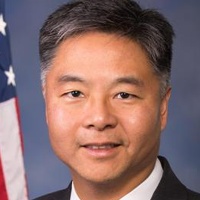
Ted Lieu
Representative
CA
Ted Lieu
Representative
CA
The Fairness and Access for Immigrant Rights (FAIR) Act establishes new requirements for providing constituent services to immigration detainees. This bill mandates that detainees must have timely access to necessary privacy release forms and essential handbooks in their preferred language. Furthermore, it ensures detainees have the tools to communicate with their congressional representatives or third-party assistants, and outlines a clear process for filing complaints if these rights are violated.
This Act establishes grant programs and student loan repayment to increase the number of mental health service providers working in low-income schools.
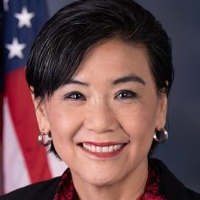
Judy Chu
Representative
CA
Judy Chu
Representative
CA
The Increasing Access to Mental Health in Schools Act establishes grant programs to build pipelines that train and place more mental health providers in low-income schools. It also creates a student loan repayment program for providers who commit to working in these underserved districts for five years. The bill aims to improve student support ratios by increasing the number of school counselors, psychologists, and social workers in high-need areas. Finally, it mandates a study to develop future criteria for identifying areas with mental health provider shortages.
This act repeals specific sections of a prior reconciliation act to restore previous laws affecting American families and farmers.
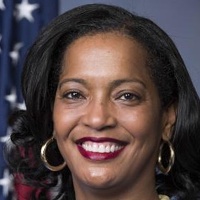
Jahana Hayes
Representative
CT
Jahana Hayes
Representative
CT
The Restoring Food Security for American Families and Farmers Act of 2025 aims to strengthen domestic food security by repealing specific sections of a prior reconciliation act. This action effectively revives the original laws that were previously amended by the repealed provisions. The bill seeks to revert existing agricultural and food-related statutes to their pre-amendment status.
This resolution supports the goals of National Rural Health Day by recognizing the vital role of rural communities and committing to policies that improve rural healthcare access and affordability.
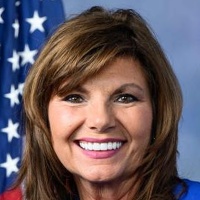
Diana Harshbarger
Representative
TN
Diana Harshbarger
Representative
TN
This resolution officially recognizes and supports the goals of National Rural Health Day to honor the vital role of rural communities and their healthcare providers. It acknowledges the unique challenges faced by rural residents, such as limited access to care and hospital closures. The bill expresses a commitment to advancing policies that improve the accessibility and affordability of healthcare in rural America.
This bill establishes a permanent Special Envoy for the Human Rights of LGBTQI+ Peoples within the Department of State to advance U.S. policy countering global criminalization, violence, and discrimination against LGBTQI+ individuals.
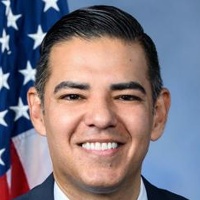
Robert Garcia
Representative
CA
Robert Garcia
Representative
CA
This bill, the International Human Rights Defense Act of 2025, establishes a permanent Special Envoy for the Human Rights of LGBTQI+ Peoples within the Department of State. It codifies U.S. policy to actively combat international criminalization, violence, and discrimination against LGBTQI+ individuals worldwide. The legislation also mandates enhanced reporting on these abuses in annual human rights reports and authorizes assistance to support related protection efforts abroad.
This bill affirms existing VA collective bargaining agreements and nullifies specific Executive Orders related to Federal labor-management relations within the Department of Veterans Affairs.
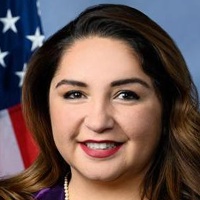
Delia Ramirez
Representative
IL
Delia Ramirez
Representative
IL
The VA Care and Benefits Accountability Act ensures that existing collective bargaining agreements within the Department of Veterans Affairs remain in effect until their specified end dates. Furthermore, this bill nullifies Executive Orders 14251 and 14343, preventing their enforcement or implementation within the VA. This action solidifies current labor agreements for VA employees.
This bill ensures the continued operation of the Office of Special Counsel's Hatch Act Unit during a government shutdown by deeming its investigative work as essential for safety and property protection.
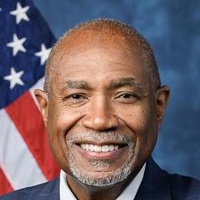
Herbert Conaway
Representative
NJ
Herbert Conaway
Representative
NJ
This bill ensures the continued operation of the Hatch Act Unit within the Office of Special Counsel during a lapse in appropriations. It designates the unit's investigative work on Hatch Act violations as essential services related to the safety of human life or property protection. This allows the unit to continue functioning even without active funding.
The VA Work-Study Improvement Act expands eligible work-study activities, clarifies minimum wage standards, mandates electronic timesheets, and requires annual publication of program data.
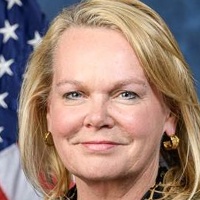
April McClain Delaney
Representative
MD
April McClain Delaney
Representative
MD
The VA Work-Study Improvement Act expands approved work-study locations to include state/local government agencies and nonprofits that benefit veterans. It establishes a clear standard for the minimum hourly wage paid to participants and mandates the use of electronic timesheets. Furthermore, the bill requires the VA to annually publish detailed data regarding the work-study program's activities and participants.
This Act establishes an interagency task force, led by the FTC and DOJ, to develop and implement a national strategy to combat scams through coordination, education, and enforcement.

Robert Menendez
Representative
NJ
Robert Menendez
Representative
NJ
This Act establishes the **Strategic Task Force on Scam Prevention**, an interagency group led by the FTC and DOJ, to combat fraud. The task force is charged with developing and implementing a national strategy that includes public education, industry coordination, and enhanced enforcement actions. It will also coordinate with international partners and report annually on its efforts to reduce financial losses from scams.
This Act ensures uninterrupted funding and operation for the SNAP and WIC programs through fiscal year 2026, even if appropriations for the Department of Agriculture are delayed.
Jahana Hayes
Representative
CT
Jahana Hayes
Representative
CT
The Keep SNAP and WIC Funded Act of 2025 ensures that the Supplemental Nutrition Assistance Program (SNAP) and the Special Supplemental Nutrition Program for Women, Infants, and Children (WIC) continue to operate without interruption in fiscal year 2026 if standard appropriations are delayed. If funding lapses, the Secretary of Agriculture is authorized to use funds from the Treasury to provide benefits and reimburse state agencies. This special funding remains in effect until full appropriations are enacted or until September 30, 2026.
This bill establishes a five-year pilot program to expand work-study allowance eligibility for student veterans enrolled at least half-time and mandates annual reporting on participant outcomes.
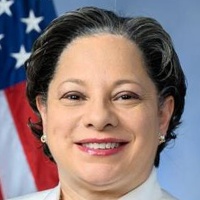
Jennifer McClellan
Representative
VA
Jennifer McClellan
Representative
VA
The Student Veteran Work Study Modernization Act establishes a five-year pilot program to expand eligibility for the VA work-study allowance to veterans pursuing certain educational or training programs at a half-time enrollment level. This allows more student veterans to benefit from work-study opportunities without meeting the current three-quarter-time enrollment requirement. Additionally, the Secretary of Veterans Affairs is required to submit annual reports detailing participation and outcomes for veterans in the work-study program.
This bill prohibits the Secretary of Health and Human Services from implementing the Wasteful and Inappropriate Services Reduction (WISeR) Model under Medicare.

Suzan DelBene
Representative
WA
Suzan DelBene
Representative
WA
The Seniors Deserve SMARTER Care Act of 2025 prohibits the Secretary of Health and Human Services from implementing the Wasteful and Inappropriate Services Reduction (WISeR) Model under Medicare. This legislation specifically blocks the implementation of the prior authorization requirements associated with the WISeR Model. The goal is to prevent the adoption of this particular payment and service delivery model.
This Act establishes strict standards, training, and reporting requirements for federal immigration enforcement personnel regarding the use of force, identification, and equipment.
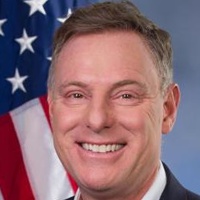
Scott Peters
Representative
CA
Scott Peters
Representative
CA
The Stop Excessive Force in Immigration Act of 2025 establishes strict new standards for the use of non-deadly force by federal immigration personnel, requiring proportionality and de-escalation efforts. The bill mandates identification requirements, restricts the use of certain crowd-control equipment, and imposes new body camera and detailed reporting mandates. Furthermore, it creates affirmative duties for officers to intervene against excessive force and requires annual training on these new policies.
This bill prevents the sitting President and their immediate family from filing claims under the Federal Tort Claims Act while in office.
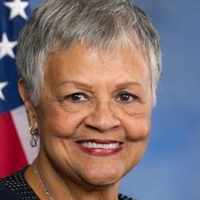
Bonnie Watson Coleman
Representative
NJ
Bonnie Watson Coleman
Representative
NJ
The CORRUPT Act amends the Federal Tort Claims Act to prohibit the sitting President and their immediate relatives from filing claims under that act while in office. This measure specifically prevents the President and covered family members from seeking damages through the Federal Tort Claims Act during their term.
This resolution expresses support for National Adoption Day and Month by promoting awareness, celebrating adoption, and encouraging the nation to secure safety and well-being for all children awaiting families.
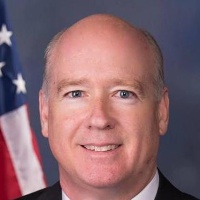
Robert Aderholt
Representative
AL
Robert Aderholt
Representative
AL
This resolution expresses support for National Adoption Day and Month by promoting national awareness of adoption and the children awaiting permanent families. It highlights the significant number of children in foster care waiting for adoption and encourages all Americans to consider providing a safe, permanent, and well-being-focused home for these children. The resolution supports various avenues for achieving permanency, including reunification, kinship care, and adoption.
This resolution commemorates October 2025 as Head Start Awareness Month, recognizing the program's six-decade history of positively impacting over 40 million children and their families through comprehensive support services.

André Carson
Representative
IN
André Carson
Representative
IN
This joint resolution commemorates October 2025 as Head Start Awareness Month to recognize the program's enduring positive impact. It honors Head Start's 60-year legacy of preparing over 40 million children and their families for success through comprehensive health, nutrition, and educational support. The resolution highlights the program's role in promoting long-term academic achievement and empowering parents.
This Act ensures the United States Capitol Police receive uninterrupted salaries and expenses during any government shutdown.
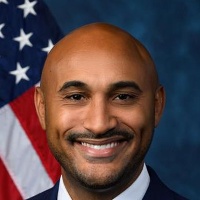
Shomari Figures
Representative
AL
Shomari Figures
Representative
AL
This Act ensures that the salaries and expenses for the United States Capitol Police (USCP) are fully funded during any government shutdown. It appropriates the necessary funds from the Treasury to guarantee uninterrupted pay for USCP employees when discretionary appropriations lapse.
The GRAD Act ensures students maintain their enrollment status during a government shutdown, even if it disrupts their Title IV federal student financial aid.
Shomari Figures
Representative
AL
Shomari Figures
Representative
AL
The GRAD Act ensures that students maintain their current enrollment status during a government shutdown, even if federal student aid is temporarily disrupted. This legislation prevents educational institutions from penalizing students by changing their enrollment status due to funding lapses. Essentially, it protects students from negative academic consequences caused by federal funding interruptions.
This bill halts penalties, interest accrual, and negative credit reporting on federal employee student loans during periods of involuntary pay disruption, such as government shutdowns.

Jasmine Crockett
Representative
TX
Jasmine Crockett
Representative
TX
The Halting Education Loan Payments during Federal Employment Disruptions Act (HELP FEDs Act) provides immediate relief for federal employees experiencing involuntary pay disruptions, such as government shutdowns. This bill halts interest accrual and prevents penalties or negative credit reporting on qualified federal student loans during these periods of missed pay. The protections apply retroactively to disruptions occurring on or after October 1, 2025, but the Act does not forgive any underlying loan debt.
This act permanently establishes the structure and staffing of the Office of Head Start to ensure continued comprehensive support for eligible children and families.
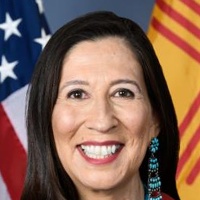
Teresa Leger Fernandez
Representative
NM
Teresa Leger Fernandez
Representative
NM
The Every Child Deserves a Head Start Act of 2025 aims to solidify the foundational support for the Head Start program, recognizing its vital role in early childhood development. This bill permanently establishes the structure and staffing levels of the Office of Head Start, including its 12 regional offices, as they existed before January 20, 2025. The legislation strictly limits the Secretary of Health and Human Services from altering this established structure or reducing staff without specific Congressional notification procedures. Ultimately, the Act ensures the consistent delivery of essential educational and support services to eligible children and families nationwide.