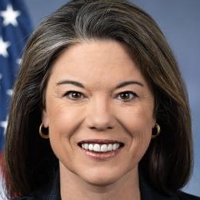
Legislative Activity
Track Angie's sponsored bills, co-sponsored legislation, and voting record
The TPS Review Act strengthens judicial oversight and establishes congressional review for decisions to terminate Temporary Protected Status, ensuring that such actions are evidence-based and subject to legal challenge.
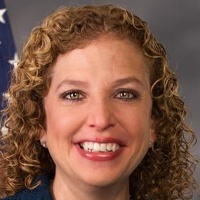
Debbie Wasserman Schultz
Representative
FL
Debbie Wasserman Schultz
Representative
FL
The Temporary Protected Status (TPS) Review Act strengthens oversight of government decisions to terminate TPS designations by reinstating judicial review and requiring that such decisions be supported by a comprehensive administrative record. The bill also subjects TPS terminations to congressional review under the Congressional Review Act, ensuring these decisions are subject to greater accountability. Additionally, it provides legal protections for beneficiaries by automatically staying terminations during the pendency of any legal challenges.
The Right to IVF Act of 2026 establishes a nationwide right to fertility care, mandates comprehensive insurance coverage for reproductive services, and expands access to fertility treatments for veterans and federal employees.
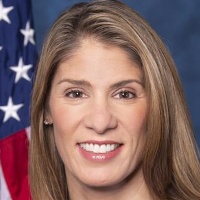
Lori Trahan
Representative
MA
Lori Trahan
Representative
MA
The Right to IVF Act of 2026 establishes a nationwide statutory right to access assisted reproductive technology (ART) and intrauterine insemination (IUI) while prohibiting states from imposing restrictive barriers. The bill further expands family-building support by mandating comprehensive fertility coverage across private insurance, Medicare, Medicaid, and federal employee health plans. Additionally, it guarantees expanded access to fertility services and preservation for military service members and veterans.
This bill reauthorizes the Accelerating Access to Critical Therapies for ALS Act through 2031 while enhancing grant oversight, safety reporting requirements, and FDA strategic planning for rare neurodegenerative diseases.

Mike Quigley
Representative
IL
Mike Quigley
Representative
IL
The Accelerating Access to Critical Therapies for ALS Reauthorization Act of 2026 extends vital funding for ALS research and clinical trial programs through 2031. This legislation strengthens oversight by enhancing grant review processes, improving safety reporting requirements, and mandating a comprehensive five-year FDA action plan to accelerate the development of treatments for rare neurodegenerative diseases.
This bill prohibits domestic business entities with significant foreign ownership or influence from contributing to U.S. elections and mandates strict certification requirements to ensure political spending is free from foreign control.
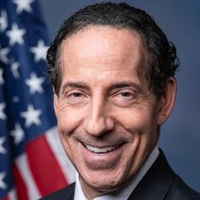
Jamie Raskin
Representative
MD
Jamie Raskin
Representative
MD
The Get Foreign Money Out of United States Elections Act strengthens existing laws to prevent foreign influence in American elections. It expands the ban on foreign contributions to include domestic companies with significant foreign ownership or control and mandates strict certification requirements for corporate political action committees. These measures ensure that foreign entities cannot influence federal, state, or local elections through direct spending, ballot initiatives, or Super PACs.
This bill authorizes $6 million in annual federal grants over seven years to support the National Law Enforcement Museum’s community outreach, public education, and officer safety and wellness programs.
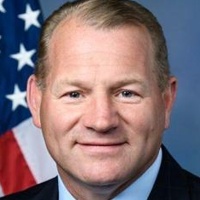
Troy Nehls
Representative
TX
Troy Nehls
Representative
TX
The National Law Enforcement Officers Remembrance, Support and Community Outreach Act authorizes $6 million in annual federal grants over seven years to support the National Law Enforcement Museum. This funding will enhance public education, community outreach, and critical officer safety and wellness programs. By fostering greater understanding between law enforcement and the public, the bill aims to support the profession and improve safety for officers nationwide.
The Improving CARE for Youth Act prohibits state Medicaid programs from denying payment for mental health, substance use, or primary care services solely because they are provided on the same day.
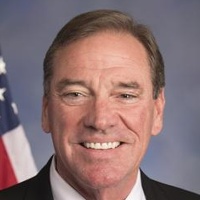
Neal Dunn
Representative
FL
Neal Dunn
Representative
FL
The Improving CARE for Youth Act aims to increase access to integrated healthcare by prohibiting state Medicaid programs from denying payment for same-day primary care and mental health or substance use disorder services. By removing these billing barriers, the bill ensures that patients can receive comprehensive, coordinated care during a single visit.
The Medicaid Dental Benefit Act of 2026 mandates comprehensive dental coverage for adults under state Medicaid programs while establishing new federal quality standards, reporting requirements, and outreach initiatives to improve oral health equity.
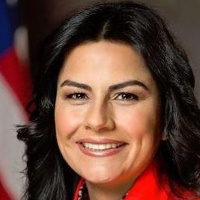
Nanette Barragán
Representative
CA
Nanette Barragán
Representative
CA
The Medicaid Dental Benefit Act of 2026 mandates that all state Medicaid programs provide comprehensive dental and oral health coverage for adults beginning January 1, 2027. To support this transition, the bill provides three years of 100% federal funding for these core services and establishes new national quality and equity reporting standards. Additionally, the legislation requires federal outreach programs to improve access to care and mandates a comprehensive report on the state of adult oral health in the United States.
This bill prohibits lifetime and annual dollar limits on dental benefits under CHIP and mandates that states provide supplemental dental-only coverage for eligible children.
Nanette Barragán
Representative
CA
Nanette Barragán
Representative
CA
The Ensuring Kids Have Access to Medically Necessary Dental Care Act strengthens dental coverage for children enrolled in the Children's Health Insurance Program (CHIP). This legislation prohibits states from imposing annual or lifetime dollar limits on dental benefits and mandates that states provide dental-only supplemental coverage. These changes ensure that low-income children have consistent, comprehensive access to necessary dental care.
The Lawful Hemp Protection Act establishes a comprehensive federal regulatory, tax, and safety framework for hemp-derived cannabinoid products to ensure consumer protection, prevent underage access, and standardize industry manufacturing and testing.
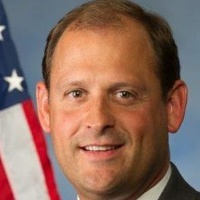
Garland Barr
Representative
KY
Garland Barr
Representative
KY
The Lawful Hemp Protection Act establishes a comprehensive federal regulatory framework for hemp-derived cannabinoid products to ensure consumer safety and industry accountability. The bill mandates strict age-gating, standardized manufacturing and labeling requirements, and FDA oversight to eliminate deceptive products. Additionally, it implements a federal tax and permit system for manufacturers and wholesalers while preserving the authority of states to enforce their own regulations.
The Right to Learn Act of 2026 establishes a grant program to provide schools and community organizations with the resources necessary to support students and staff impacted by immigration enforcement and ensure safe, trauma-informed learning environments.
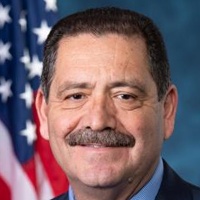
Jesús García
Representative
IL
Jesús García
Representative
IL
The "Right to Learn Act of 2026" establishes a federal grant program to provide schools, early childhood programs, and community organizations with the resources necessary to support students and staff impacted by immigration enforcement. The bill aims to ensure that schools remain safe, trauma-informed environments by funding mental health services, legal resources, and staff training. Additionally, it mandates strict privacy protections to ensure that educational access remains equitable and free from discrimination regardless of immigration status.
The "Combating Illicit Xylazine Act" aims to combat the misuse of xylazine by adding it to Schedule III of the Controlled Substances Act, tracking its distribution, and ensuring appropriate penalties for related offenses, while also protecting legitimate veterinary use.
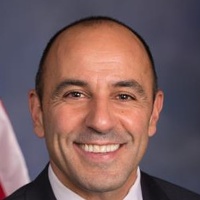
Jimmy Panetta
Representative
CA
Jimmy Panetta
Representative
CA
The "Combating Illicit Xylazine Act" aims to combat the illegal use of xylazine by adding it to Schedule III of the Controlled Substances Act, which would allow for increased regulation and tracking of the substance. The bill includes exemptions and delayed effective dates for certain requirements to ease the transition for legitimate users, such as veterinarians and animal handlers. It also directs the Sentencing Commission to review sentencing guidelines for xylazine-related offenses and mandates reports to Congress on the prevalence and impact of illicit xylazine use. Finally, it will include xylazine in Arcos tracking.
Tyler's Law mandates a study and subsequent guidance on the routine testing for fentanyl in hospital emergency departments during overdose treatment.
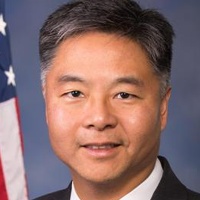
Ted Lieu
Representative
CA
Ted Lieu
Representative
CA
Tyler's Law mandates a comprehensive study by the Secretary of Health and Human Services on the frequency, cost, and impact of fentanyl testing in hospital emergency departments during overdose cases. Following the study, the Secretary must issue guidance on whether routine fentanyl testing should become standard practice for overdose patients. This guidance will also address staff training regarding existing drug test panels and the long-term health implications of such testing.
The EARLY Act Reauthorization of 2025 extends breast health education for young women and modernizes the National Breast and Cervical Cancer Early Detection Program to improve screening access, equity, and funding through 2030.
Debbie Wasserman Schultz
Representative
FL
Debbie Wasserman Schultz
Representative
FL
The EARLY Act Reauthorization of 2025 extends critical breast health education initiatives through 2031 and bolsters the National Breast and Cervical Cancer Early Detection Program. By streamlining grant requirements and increasing funding through 2030, this legislation aims to reduce health disparities, improve access to life-saving screenings, and enhance patient support services. Additionally, it mandates a GAO study to identify and address barriers to equitable cancer care.
The DeOndra Dixon INCLUDE Project Act of 2025 establishes a federally coordinated NIH research program dedicated to advancing the study, treatment, and quality of life for individuals with Down syndrome.

Diana DeGette
Representative
CO
Diana DeGette
Representative
CO
The DeOndra Dixon INCLUDE Project Act of 2025 establishes a federally coordinated research program at the National Institutes of Health (NIH) dedicated to advancing the understanding and treatment of Down syndrome. The initiative focuses on long-term health studies, expanding clinical trial access, and investigating co-occurring conditions to improve the quality of life for individuals with Down syndrome. By fostering collaboration across NIH institutes and consulting with patient advocates, the program aims to accelerate medical breakthroughs and provide biennial progress reports to Congress.
The AADAPT Act expands grant eligibility and funding to integrate dementia care services into health centers through 2031.
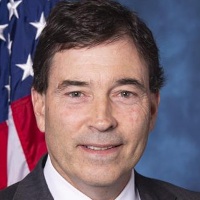
Troy Balderson
Representative
OH
Troy Balderson
Representative
OH
The AADAPT Act expands access to specialized dementia care by authorizing grants for public and nonprofit health centers to integrate these services into their programs. Additionally, the bill extends federal funding authorization through 2031 to ensure the continued growth and sustainability of these critical health outcomes.
This bill mandates electronic prior authorization, increases transparency through required data reporting, and establishes faster decision timelines for Medicare Advantage plans to improve timely access to care for seniors.
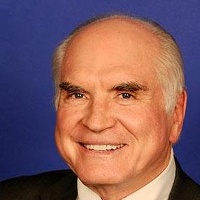
Mike Kelly
Representative
PA
Mike Kelly
Representative
PA
The Improving Seniors’ Timely Access to Care Act of 2025 aims to streamline and modernize the prior authorization process within Medicare Advantage plans. This bill mandates the adoption of electronic prior authorization systems and significantly increases transparency regarding approval rates and decision times starting in 2027. Furthermore, it establishes new enrollee protections and grants the Secretary authority to enforce faster decision timeframes for medical services.
The Essential Caregivers Act of 2026 mandates that long-term care facilities allow residents to designate essential caregivers who maintain in-person visitation rights even during periods when regular visitation is suspended.
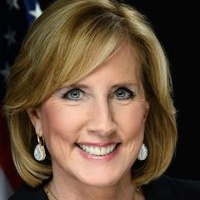
Claudia Tenney
Representative
NY
Claudia Tenney
Representative
NY
The Essential Caregivers Act of 2026 ensures that residents in long-term care facilities maintain access to designated essential caregivers, even when general visitation is suspended. The bill mandates that facilities allow residents to appoint up to two caregivers who can provide in-person support, provided they adhere to established safety protocols. It also prioritizes the investigation of access complaints and guarantees that these visitation rights cannot be waived during emergencies.
This resolution designates July 10th as Journeyman Lineworkers Recognition Day to honor the essential service and sacrifices of the professionals who maintain our nation’s power grid.
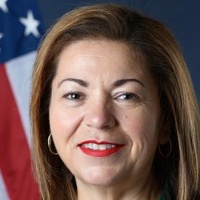
Linda Sánchez
Representative
CA
Linda Sánchez
Representative
CA
This resolution designates July 10th as Journeyman Lineworkers Recognition Day to honor the essential, high-risk work performed by these skilled professionals. It pays tribute to the lineworkers who provide critical service during emergencies and recognizes those who have made the ultimate sacrifice in the line of duty.
The Voter Choice Act establishes a federal grant and technical assistance program to help state and local governments transition to ranked choice voting systems.
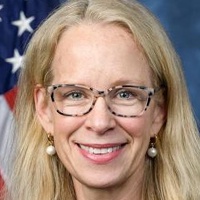
Kelly Morrison
Representative
MN
Kelly Morrison
Representative
MN
The Voter Choice Act establishes a new federal program to support state and local governments in transitioning to ranked choice voting systems. Through the Election Assistance Commission, the bill provides technical assistance and matching grants to help jurisdictions update voting equipment, design ballots, and conduct voter outreach. This initiative aims to modernize election administration by facilitating the adoption of systems that allow voters to rank candidates by preference.
The Federal Jobs for STARs Act of 2026 mandates the removal of unnecessary degree requirements for federal positions and creates new pathways for hiring and training individuals who have developed skills through alternative routes.
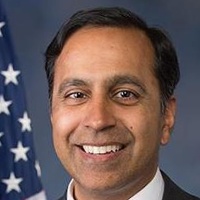
Raja Krishnamoorthi
Representative
IL
Raja Krishnamoorthi
Representative
IL
The Federal Jobs for STARs Act of 2026 aims to expand federal employment opportunities for skilled workers without bachelor’s degrees by removing unnecessary educational requirements. The bill directs the Office of Personnel Management to prioritize skills-based hiring, create dedicated job search pathways, and study new training and educational support programs for these employees.