Legislative Activity
Track Angie's sponsored bills, co-sponsored legislation, and voting record
This Act prohibits sellers from price gouging on goods affected by tariffs for five years by limiting price increases to direct tariff-related costs, with specific enforcement provisions and reporting requirements managed by the FTC.

Rosa DeLauro
Representative
CT
Rosa DeLauro
Representative
CT
The No GOUGE Act prohibits sellers from raising the price of "tariffed goods" by more than the direct costs resulting from a new or planned tariff for five years. This prevents companies from using tariffs as an excuse to charge unreasonably high prices, with specific rules for final goods, assembled products, and components. The Federal Trade Commission (FTC) is tasked with enforcement, while large companies face a presumption of violation following major tariff announcements. The bill also mandates annual reports from the FTC and other agencies detailing price changes and enforcement actions.
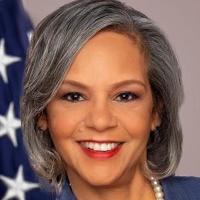
The CARE for Moms Act aims to combat the maternal health crisis by expanding postpartum Medicaid coverage, funding quality improvement collaboratives, supporting the doula workforce, and establishing mobile health units for rural areas, while also increasing tobacco taxes.
Robin Kelly
Representative
IL
Robin Kelly
Representative
IL
The CARE for Moms Act aims to combat the rising maternal mortality crisis in the U.S. through significant federal investments and policy changes. The bill establishes grant programs to support state quality collaboratives and expand the doula workforce. Crucially, it mandates 12 months of postpartum coverage under Medicaid and CHIP, alongside requiring oral health services for pregnant and new mothers. Finally, the Act increases federal excise taxes on tobacco products to fund these maternal health initiatives.
This bill establishes Medicare coverage for genetic counseling services provided by licensed or certified genetic counselors starting in 2027.

Adrian Smith
Representative
NE
Adrian Smith
Representative
NE
The Access to Genetic Counselor Services Act of 2025 aims to expand healthcare access by establishing Medicare coverage for genetic counseling services starting in 2027. This legislation defines qualified genetic counselors and sets specific payment rules for these covered services under Medicare. The bill ensures that Medicare beneficiaries can receive essential genetic counseling from licensed or certified professionals.
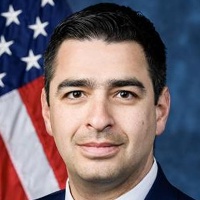
This bill mandates a Federal Trade Commission report detailing how minors access fentanyl through social media and recommending actions to prevent it.
Gabe Evans
Representative
CO
Gabe Evans
Representative
CO
The "No Fentanyl on Social Media Act" mandates the Federal Trade Commission to investigate and report on how minors access fentanyl through social media platforms. This report, developed with key agencies, will detail the prevalence, risks, and methods used by sellers to distribute fentanyl to minors online. Ultimately, the legislation seeks recommendations for Congress on effective measures to curb this dangerous access.
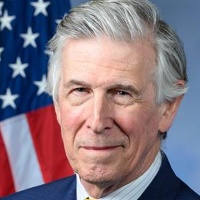
This bill amends House rules to require a 60% supermajority vote of those present and voting to censure, disapprove of, or remove a Member, Delegate, or Resident Commissioner from committee.
Donald Beyer
Representative
VA
Donald Beyer
Representative
VA
This bill proposes amending the House Rules to increase the threshold required for disciplinary action against a Member, Delegate, or Resident Commissioner. Specifically, it mandates that a supermajority of at least 60% of votes cast must support any resolution for censure, disapproval, or removal from committee membership. This change establishes a higher bar for imposing these specific forms of House discipline.
This act exempts small businesses from duties imposed under Executive Order 14257 and mandates refunds for any such duties already paid.
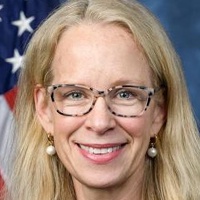
Kelly Morrison
Representative
MN
Kelly Morrison
Representative
MN
The Small Business RELIEF Act exempts qualified small businesses from duties imposed under Executive Order 14257. It also mandates that the President refund any such duties already paid by small businesses within 90 days of enactment. This legislation aims to provide economic fairness and relief to small importers.
This bill establishes temporary monthly economic recovery payments of \$200 for eligible Social Security, SSI, Railroad Retirement, and veterans benefit recipients from January 1, 2026, through June 30, 2026.
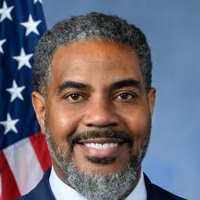
Steven Horsford
Representative
NV
Steven Horsford
Representative
NV
This bill, the Social Security Emergency Inflation Relief Act, establishes temporary economic recovery payments for eligible recipients of Social Security, SSI, Railroad Retirement, and Veterans benefits. It provides an additional $200 payment monthly to these individuals from January 1, 2026, through June 30, 2026. These payments are designed to be non-taxable and will not affect eligibility for other federal benefits.
This bill expands Medicare drug price negotiation to private insurance, applies inflation rebates to commercial drugs, and establishes annual out-of-pocket limits for prescription drugs under private health insurance.

Frank Pallone
Representative
NJ
Frank Pallone
Representative
NJ
The Lowering Drug Costs for American Families Act aims to significantly reduce prescription drug expenses for consumers. It expands the federal drug price negotiation program to cover more drugs and extends negotiated prices to most private health insurance plans. Furthermore, the bill applies inflation rebates to the commercial market and establishes new annual out-of-pocket spending caps for prescription drugs under private insurance starting in 2027. It also sets specific, lower cost-sharing requirements for covered insulin products.
This bill expands Medicare coverage for medical nutrition therapy services to treat a wider range of chronic conditions and allows more healthcare providers to order these services.
Robin Kelly
Representative
IL
Robin Kelly
Representative
IL
This bill, the Medical Nutrition Therapy Act of 2025, aims to significantly expand Medicare coverage for medical nutrition therapy services. It broadens the list of covered chronic conditions beyond diabetes and kidney disease to include obesity, hypertension, cancer, and more. Furthermore, the legislation allows a wider range of healthcare providers, such as nurse practitioners and physician assistants, to order these medically necessary nutrition services.
The ADOPT Act of 2025 establishes federal crimes for unlawful adoption practices, such as using unlicensed intermediaries or making unauthorized payments, to protect families and prevent child commodification in private interstate adoptions.
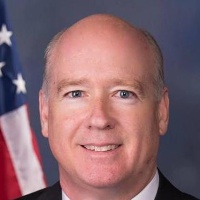
Robert Aderholt
Representative
AL
Robert Aderholt
Representative
AL
The ADOPT Act of 2025 aims to protect families and prevent the commodification of children in private domestic interstate adoptions. It establishes new federal crimes for unlicensed intermediaries who illegally solicit placements or make unauthorized payments to placing parents. The legislation ensures access to licensed and regulated adoption providers by creating clear exceptions for authorized professionals and agencies.
This Act prohibits discrimination based on religion, sex, or marital status in federally funded child welfare services to improve outcomes for all children, especially LGBTQ youth.

Danny Davis
Representative
IL
Danny Davis
Representative
IL
The John Lewis Every Child Deserves a Family Act prohibits discrimination based on religion, sex, or marital status in federally funded child welfare services. This aims to increase the number of stable, family-like placements for children, especially for LGBTQ youth who are overrepresented in foster care. The bill mandates federal guidance, training, and data collection to improve safety and well-being outcomes for all children involved in the system.
This Act establishes specific payment guidelines under Medicare for algorithm-based healthcare services utilizing FDA-cleared technology, ensuring appropriate reimbursement based on manufacturer cost data.
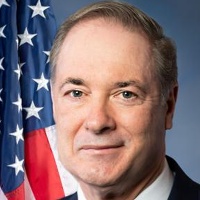
John Joyce
Representative
PA
John Joyce
Representative
PA
The Health Tech Investment Act aims to establish clear payment guidelines for algorithm-based healthcare services under Medicare. This bill mandates that the Secretary of Health and Human Services ensure appropriate payment for these new technologies using manufacturer-submitted cost data when assigned to a new technology Ambulatory Payment Classification (APC). Furthermore, it clarifies payment policies for software as a service under the hospital outpatient prospective payment system.
This bill extends and provides dedicated funding through 2030 for four key outreach and assistance programs serving low-income Medicare beneficiaries.

Doris Matsui
Representative
CA
Doris Matsui
Representative
CA
The Senior Savings Protection Act extends crucial funding for four existing outreach and assistance programs designed to help low-income Medicare beneficiaries. This legislation secures dedicated funding for State Health Insurance Assistance Programs, Area Agencies on Aging, Aging and Disability Resource Centers, and Benefits Coordination Outreach through fiscal years 2026 to 2030. The bill ensures continued support for seniors navigating federal and state benefits.
This resolution recognizes the epidemic of violence against transgender people, memorializes those lost this year, and calls for action to ensure their safety and dignity.

Pramila Jayapal
Representative
WA
Pramila Jayapal
Representative
WA
This resolution supports the goals of Transgender Day of Remembrance by recognizing the ongoing epidemic of violence targeting transgender people, particularly transgender women of color. It memorializes the lives lost this year and highlights the systemic barriers, including discrimination and lack of healthcare access, faced by the transgender community. The bill calls for urgent action from the government to protect these lives through inclusive legislation and policies that ensure dignity and respect for all individuals.
The ROTOR Act mandates increased transparency for sensitive government flights by narrowing ADS-B exception rules, requires ADS-B In equipment on certain aircraft, and establishes safety reviews for military and civilian operations near major airports.
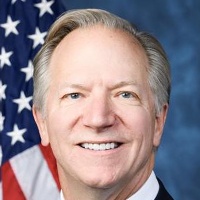
Robert Onder
Representative
MO
Robert Onder
Representative
MO
The ROTOR Act aims to enhance aviation safety and transparency, primarily by narrowing exceptions for disabling ADS-B tracking on government aircraft and mandating that aircraft equipped with ADS-B Out must also install ADS-B In technology. The bill further requires the FAA to conduct comprehensive safety reviews of military and civilian operations in complex airspace, such as around Reagan National Airport. Finally, it mandates formal agreements for the FAA and the Department of the Army to share critical aviation safety data.
This bill establishes sanctions against foreign individuals responsible for human rights violations against LGBTQI people and mandates enhanced tracking and reporting of such abuses in annual human rights reports.
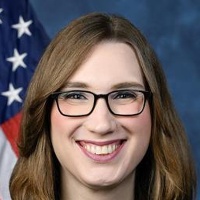
Sarah McBride
Representative
DE
Sarah McBride
Representative
DE
The Global Respect Act aims to promote and protect the human rights of LGBTQI individuals worldwide. It mandates the President to identify and report foreign persons responsible for human rights violations against LGBTQI people, leading to their inadmissibility to the United States. Furthermore, the Act requires enhanced tracking and reporting of violence and discrimination targeting individuals based on sexual orientation, gender identity, or sex characteristics in the annual human rights reports.
This bill authorizes the minting and sale of commemorative gold, silver, and clad coins in 2029 to celebrate the history and contributions of the United States Foreign Service, with surcharges benefiting the Association for Diplomatic Studies and Training.
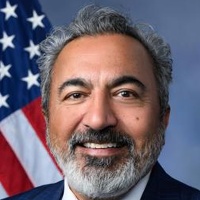
Ami Bera
Representative
CA
Ami Bera
Representative
CA
This Act authorizes the Secretary of the Treasury to mint and issue a series of commemorative gold, silver, and clad coins in 2029 to celebrate the centennial of the United States Foreign Service. The coins will feature designs representing the importance of American diplomacy and the contributions of the Foreign Service. All surcharges collected from the sale of these coins will be paid to the Association for Diplomatic Studies and Training to support its historical preservation work. The Treasury must ensure that the minting and issuance of these coins result in no net cost to the U.S. government.
This act mandates Medicare coverage for FDA-approved early detection screening tests for Alzheimer's disease and related dementias beginning in 2028.

Vern Buchanan
Representative
FL
Vern Buchanan
Representative
FL
The Alzheimer’s Screening and Prevention Act of 2025 (ASAP Act) amends Medicare to cover early detection screening tests for Alzheimer's disease and related dementias starting in 2028. This coverage applies to FDA-cleared tests, including genomic sequencing and other equivalent diagnostic methods, designed to detect pre-symptomatic or early-stage conditions. The bill ensures these screenings are added to the list of covered medical services under Medicare.
This Act prohibits rental property owners from engaging in coordinated activities that effectively fix or influence rental prices, treating such coordination as an illegal restraint of trade under existing antitrust laws.
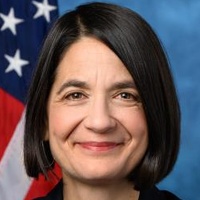
Becca Balint
Representative
VT
Becca Balint
Representative
VT
The End Rent Fixing Act of 2025 prohibits rental property owners from hiring coordinators or engaging in activities that involve collecting, analyzing, or recommending rental prices or terms across multiple properties. This coordinated activity is deemed an unlawful restraint of trade under existing antitrust laws. The bill grants enforcement power to the FTC, the Attorney General, and State Attorneys General, while also allowing injured persons to sue for treble damages. Furthermore, it lowers the pleading standard for civil lawsuits brought under this Act and related antitrust claims.
This act establishes a 25 basis point discount on mortgage insurance premiums for first-time homebuyers who complete a certified financial literacy housing counseling program before applying for a loan or signing a sales agreement.
Joyce Beatty
Representative
OH
Joyce Beatty
Representative
OH
The Housing Financial Literacy Act of 2025 incentivizes first-time homebuyers to complete financial literacy housing counseling programs. By completing the required counseling before applying for a loan or signing a sales agreement, eligible homebuyers will receive a 25 basis point discount on their mortgage insurance premium payments. This act aims to promote financial preparedness among new homeowners.