The CARE for First Responders Act expands crisis counseling and establishes specialized mental health services and mobile crisis grants for emergency responders and public safety telecommunicators following major disasters.
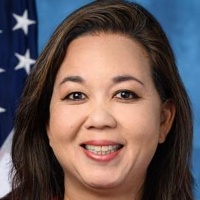
Jill Tokuda
Representative
HI-2
The CARE for First Responders Act expands crisis counseling assistance to include emergency responders and public safety telecommunicators following major disasters. The bill establishes a comprehensive mental health program providing 24/7 confidential support, including a dedicated hotline and peer counseling. Additionally, it creates a grant program to fund mobile crisis units offering on-site mental health services to first responders during disaster response.
CARE Act Expands 24/7 Mental Health Support and Mobile Crisis Units for First Responders After Major Disasters
The Crisis Assistance and Resources in Emergencies for First Responders Act, or the CARE Act, is focused on plugging a major gap in the support system for the people who run toward danger. Simply put, this bill expands mental health services for first responders—think police, firefighters, EMS, and even 911 dispatchers—who deal with the fallout of major disasters. It does this in two main ways: expanding existing crisis counseling under the Stafford Act and creating a new, dedicated, 24/7 mental health program managed by the Substance Abuse and Mental Health Services Administration (SAMHSA).
The 911 Operator Gets a Lifeline
Currently, federal crisis counseling following a major disaster primarily focuses on victims. Section 2 of the CARE Act changes this by expanding that crisis counseling assistance to include "qualified emergency response providers." This is a big deal because it formally recognizes that the people who spend days or weeks dealing with the worst of a disaster—like a hurricane, massive wildfire, or earthquake—are also traumatized. Crucially, the bill specifically includes “public safety telecommunicators,” which means 911 operators and dispatchers are finally recognized as first responders for the purpose of receiving this disaster mental health aid. If you're a dispatcher who just coordinated rescue efforts for 72 straight hours during a flood, you now have a formal federal pathway to get help.
Building the 24/7 Support System
Section 3 mandates the creation of a comprehensive mental health program for these providers within two years. This isn't just a suggestion; it requires a 24-hour mental health care service, including a confidential, toll-free hotline operating through the existing 988 Suicide and Crisis Lifeline. This hotline must be staffed by trained mental health personnel at all times. For a firefighter coming off a brutal shift at 3 AM, having a confidential, specialized resource instantly available is essential. The bill also requires SAMHSA to establish a peer support counseling program, leveraging the unique understanding that active and retired first responders have of the job’s stress.
Mobile Crisis Units: Help Comes to Them
One of the most practical and innovative parts of the bill is the creation of a competitive grant program for on-site mental health services. The Secretary of Health and Human Services is authorized to award grants up to $150,000 for a six-month period (renewable once) to eligible entities—like local health departments or non-profits—to establish mobile health care delivery sites during a major disaster. These mobile units would provide integrated, short-term crisis services, including on-site screening, evaluation, and short-term crisis management right where the first responders are working. This is smart because it removes the barrier of having to leave the field to seek help. However, the $150,000 cap for a six-month term might be tight for setting up a fully functional, mobile crisis unit in a massive disaster zone, especially when staffing and equipment are factored in.
Addressing the Stigma Head-On
The bill also tackles the cultural barrier of mental health stigma in these professions. It directs the Secretary to conduct research on best practices and develop education programs. These programs must include information aimed at removing the stigma associated with mental illness, encouraging treatment, and helping families understand the transition back to regular life after a disaster. For families of first responders, this means getting resources to help them spot the signs of distress and encourage their loved one to seek help, making the entire support system stronger. The grant program for the mobile units is funded with an authorization of $5 million annually from Fiscal Year 2026 through 2030, a dedicated funding stream to ensure this on-site support is available when the next major disaster hits.