This bill establishes a federal student loan repayment program to incentivize mental health professionals to work in designated shortage areas for up to six years.
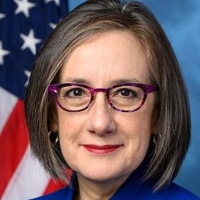
Andrea Salinas
Representative
OR-6
This bill establishes the Mental Health Professionals Workforce Shortage Loan Repayment Act of 2025 to address critical shortages in mental health care. It creates a federal program administered by HRSA to repay student loans for eligible mental health professionals. In exchange, participants must commit to up to six years of full-time service in designated mental health professional shortage areas. The program aims to incentivize practitioners to serve in underserved communities through significant loan forgiveness, capped at $250,000 per individual.
New Bill Offers Mental Health Pros Up to $250K in Loan Repayment for Working in Shortage Areas
The Mental Health Professionals Workforce Shortage Loan Repayment Act of 2025 is straightforward: it creates a new federal student loan repayment program designed to funnel mental health providers into communities that desperately need them. The program, run by the Department of Health and Human Services (HHS), offers a sweet deal: work full-time for up to six years in a designated shortage area, and the government helps wipe out your student debt. This isn't small change, either—the total repayment cap is set at $250,000 per person.
The Debt-for-Service Exchange
For anyone carrying heavy student loan debt from a master’s, doctoral, or post-doctoral degree in a mental health field, this bill offers a clear path to financial freedom. The repayment schedule is structured to reward commitment: for the first five years of service, the government pays one-sixth (1/6) of the outstanding principal and interest annually. Then, if you complete the sixth year, the entire remaining balance is paid off. This accelerated payoff structure means professionals who commit to the full six years can walk away with up to a quarter-million dollars in debt relief. Eligible loans include most federal student loans (Direct Stafford, PLUS, Perkins, etc.) used for mental health education.
Who Counts as a Professional, and Where Do They Go?
This bill casts a wide net when defining who qualifies, which is smart given the diverse needs of the mental health sector. The definition includes physicians, psychiatrists, psychologists, social workers, marriage and family therapists, and mental health counselors. Essentially, if your full-time job is primarily focused on direct treatment or recovery support for mental health disorders, you’re in. The catch is the location: you must work in a “mental health professional shortage area.” These are areas already designated by the federal government as underserved, or any facility the Secretary of HHS determines has a shortage. This provision (Section 2) gives HHS the flexibility to direct resources where they are most needed, whether that’s a rural clinic or an urban community health center.
The Real-World Impact: Access and Retention
For communities, this means better access to care. If you live in a rural county that currently has one psychiatrist serving a population that should have five, this program is designed to attract those four missing providers. For a working parent who has struggled to find a local therapist for their teenager, this bill could mean the difference between traveling two hours for an appointment or finding quality care nearby. By targeting the high debt load that often pushes new professionals toward higher-paying private practices in already saturated areas, the bill attempts to redirect that talent toward public health needs.
The Fine Print on Commitment
There are important rules to note. First, you can’t double-dip: you can’t receive loan repayment under this program and another federal loan forgiveness program (like PSLF) for the same period of service. Second, the bill addresses what happens if you can’t complete the full six years. While breaking the agreement allows the government to demand liquidated damages, the language states that failing to complete the full six years does not automatically count as a breach if the individual completed, in good faith, all the years of service for which they already received payments. This provides a small safety net for participants who might face unforeseen circumstances, allowing them to keep the payments received for completed years without being penalized for the remaining time. The program is authorized to receive $25 million annually from 2026 through 2035 to fund these repayments, representing a significant, decade-long commitment to bolstering the mental health workforce.