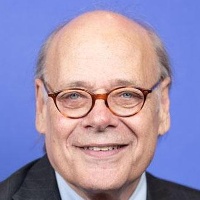
Legislative Activity
Track Steve's sponsored bills, co-sponsored legislation, and voting record
The Data Center Community Impact Act establishes a federal grant fund to support infrastructure and community development in areas affected by data centers while mandating a comprehensive study on their environmental and socioeconomic impacts.
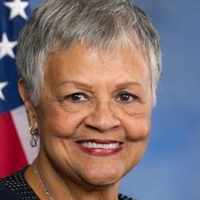
Bonnie Watson Coleman
Representative
NJ
Bonnie Watson Coleman
Representative
NJ
The Data Center Community Impact Act establishes a federal fund to provide grants to state, local, and tribal governments for infrastructure, housing, and environmental projects in communities affected by data center operations. The bill prioritizes support for low-income communities and communities of color, which are often disproportionately impacted by the energy and water demands of these facilities. Additionally, the Act mandates a comprehensive federal study to assess the long-term environmental, economic, and public health effects of data centers on these vulnerable populations.
This resolution urges the President to order U.S. flags flown at half-staff to honor the life and legacy of civil rights leader Reverend Jesse Jackson.
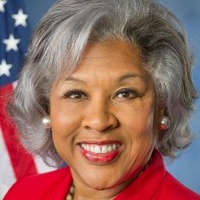
Joyce Beatty
Representative
OH
Joyce Beatty
Representative
OH
This resolution formally honors the life and enduring legacy of civil rights leader Reverend Jesse Louis Burns Jackson, Sr. It recognizes his significant contributions to the Civil Rights Movement, including his work with Dr. Martin Luther King, Jr. and his founding of Operation PUSH. The bill specifically urges the President to order that the U.S. flag be flown at half-staff in his memory.
The Direct File Act of 2026 establishes a permanent, free, government-owned online tax filing system within the IRS while prohibiting agreements that restrict the government from providing tax preparation services.
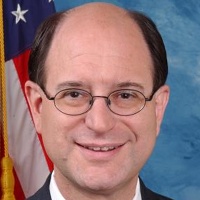
Brad Sherman
Representative
CA
Brad Sherman
Representative
CA
The Direct File Act of 2026 establishes a permanent, free, government-owned online tax filing system within the IRS, ensuring taxpayers have a simplified and accessible way to file their returns. The bill prohibits the Treasury from entering into agreements that restrict the government's ability to provide these services and mandates the integration of state tax filing options. Additionally, it streamlines the tax process by setting new filing deadlines for employer information returns to improve efficiency for all taxpayers.
This resolution honors the life, legacy, and enduring commitment to civil rights and equality of Reverend Jesse Louis Jackson, Sr.
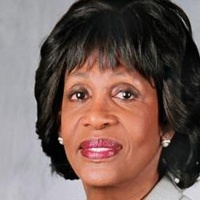
Maxine Waters
Representative
CA
Maxine Waters
Representative
CA
This resolution honors the life, leadership, and enduring legacy of Reverend Jesse Louis Jackson, Sr. It recognizes his pivotal role as a civil rights leader, his groundbreaking political campaigns, and his global advocacy for human rights and equality. The measure encourages all Americans to continue his work by moving forward with hope rather than fear and division.
This act renames Medicare Advantage to the Alternative Private Health Plan program and imposes a $\$100,000$ civil money penalty for advertising plans using the term "Medicare" in their title.
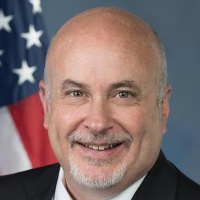
Mark Pocan
Representative
WI
Mark Pocan
Representative
WI
The Save Medicare Act renames the Medicare Advantage program to the "Alternative Private Health Plan program." It also establishes a significant civil money penalty of \$100,000 for any entity that advertises a Part C plan using the term "Medicare" in its title. The bill mandates an orderly transition to the new program name by October 15, 2023.
This bill strengthens democracy by banning foreign spending in U.S. elections, increasing transparency for "dark money" in politics, and mandating clear disclosure of funders in political advertising.
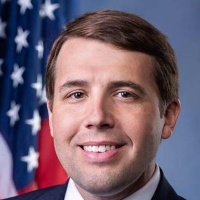
Chris Pappas
Representative
NH
Chris Pappas
Representative
NH
The Democracy Is Strengthened by Casting Light On Spending in Elections Act of 2026 aims to increase transparency and security in U.S. elections. It closes loopholes to ban foreign national spending in elections, mandates disclosure for "dark money" political spending, and requires clear funding disclosures on political ads. The bill also centralizes legal challenges to campaign finance laws in Washington, D.C., for faster resolution.
The African American History Act of 2026 authorizes the National Museum of African American History and Culture to develop and support educational programs, resources, and curricula to enhance the teaching of African American history nationwide.
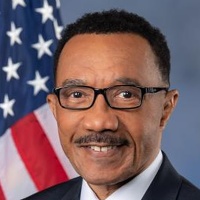
Kweisi Mfume
Representative
MD
Kweisi Mfume
Representative
MD
The African American History Act of 2026 authorizes the National Museum of African American History and Culture to develop and expand educational resources, curricula, and digital programming for students and educators nationwide. By providing $10 million in annual funding through 2030, the Act aims to promote a deeper understanding of African American history through a social justice and anti-bias lens. Additionally, the legislation encourages the development of similar educational initiatives across other Smithsonian museums dedicated to diverse American histories.
This resolution recognizes the vital historical significance, economic impact, and essential role of Black history museums and cultural institutions in telling the full American story, especially leading up to the nation's 250th anniversary.
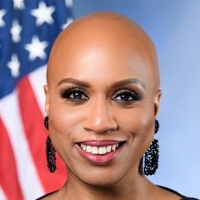
Ayanna Pressley
Representative
MA
Ayanna Pressley
Representative
MA
This resolution formally recognizes the vital historical significance and contributions of Black history museums and cultural institutions across the United States. It affirms that these essential pillars correct historical omissions by preserving irreplaceable records and telling a full, accurate American story. The bill encourages federal agencies and the public to support these institutions, especially as the nation approaches its 250th anniversary.
This resolution designates Black History Month 2026, honors the contributions of Black Americans through the "Unsung Souls" and "Righteous Intercessors" recognitions, and affirms the importance of a complete national narrative.
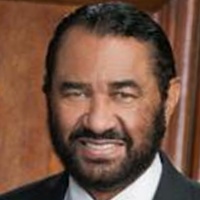
Al Green
Representative
TX
Al Green
Representative
TX
This resolution officially recognizes Black History Month and adopts "A Century of Black History Commemorations" as the theme for 2026. It honors the contributions of Black Americans by establishing categories for "Unsung Souls" and "Righteous Intercessors." Ultimately, the bill affirms that Black history commemorations are essential for a complete national narrative and inspiring future progress toward liberty and justice for all.
This resolution establishes February 28th as HIV is Not a Crime Awareness Day to advocate for the decriminalization of HIV and end outdated laws that disproportionately harm affected communities.
Mark Pocan
Representative
WI
Mark Pocan
Representative
WI
This resolution establishes February 28th as "HIV is Not a Crime Awareness Day" to advocate for the decriminalization of HIV across the nation. It highlights outdated laws that unfairly criminalize people living with HIV based on their status, regardless of transmission risk. The day calls for action to repeal these scientifically inaccurate laws, which undermine public health efforts and disproportionately affect marginalized communities. Ultimately, the resolution supports ending HIV criminalization to promote education, treatment, and justice.
This Act prohibits federal funding for an Executive Order related to glyphosate and removes legal immunities for manufacturers facing civil lawsuits over harm caused by glyphosate or elemental phosphorus exposure.
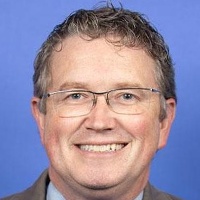
Thomas Massie
Representative
KY
Thomas Massie
Representative
KY
The No Immunity for Glyphosate Act prohibits federal funding for a specific Executive Order concerning phosphorus and glyphosate-based herbicides. This legislation establishes a right for individuals harmed by exposure to these substances to file civil lawsuits against manufacturers and sellers. Crucially, it removes certain legal immunities and defenses that companies might otherwise use to avoid liability for damages caused by these products.
This Act establishes the Office of Men's Health within the Department of Health and Human Services and mandates a GAO study to address the growing national health crisis facing men.
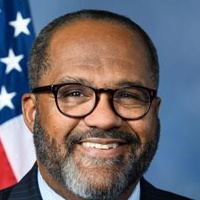
Troy Carter
Representative
LA
Troy Carter
Representative
LA
The State of Men's Health Act addresses the growing national health crisis among men, marked by shorter lifespans and higher mortality rates from leading causes of death. This legislation mandates a comprehensive study by the GAO to identify health disparities and recommend improvements. Furthermore, it establishes a dedicated Office of Men's Health within the Department of Health and Human Services to coordinate and promote programs focused on men's health education, screening, and research.
The Healthy Families Act establishes a national standard requiring most employers to provide employees with earned paid sick leave for personal or family health needs and related safety issues.
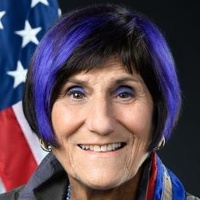
Rosa DeLauro
Representative
CT
Rosa DeLauro
Representative
CT
The Healthy Families Act establishes a national standard requiring most employers to provide employees with earned paid sick leave. Employees will accrue a minimum of one hour of paid time for every 30 hours worked, usable for personal or family health needs, domestic violence, sexual assault, or stalking. The Act prohibits employer retaliation for using this leave and ensures existing, more generous leave policies are not diminished.
This Act repeals major U.S. sanctions against Cuba, normalizing trade, travel, and telecommunications while establishing a framework for property claims and human rights negotiations.
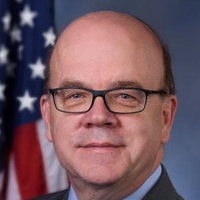
James McGovern
Representative
MA
James McGovern
Representative
MA
The United States-Cuba Trade Act of 2026 comprehensively repeals major U.S. sanctions laws against Cuba, effectively normalizing trade relations. This legislation removes restrictions on travel, exports, and financial remittances between the two nations. It also establishes a framework for the President to negotiate property claims and human rights protections with the Cuban government. The Act aims to promote democratic change in Cuba through the extension of nondiscriminatory trade treatment.
This bill mandates the Secretary of State to certify and report on policies ensuring children in Gaza receive three nutritious meals daily and other civilians receive two, while also detailing oversight and reporting on food distribution.
Maxine Waters
Representative
CA
Maxine Waters
Representative
CA
This Act mandates the U.S. Secretary of State to ensure and report on sufficient food assistance for all civilians in Gaza. It requires certification within 30 days that policies are in place to guarantee children receive three nutritious meals daily and other civilians receive two. The Secretary must also submit detailed oversight procedures and publicly report on food distribution efforts, including prompt notification to Congress of any aid interference.
This Act prohibits the discharge of plastic pellets and pre-production plastic materials into U.S. waters from industrial facilities through EPA regulations and permitting requirements.
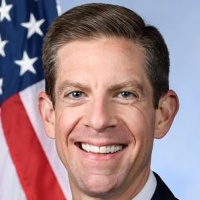
Mike Levin
Representative
CA
Mike Levin
Representative
CA
The Plastic Pellet Free Waters Act prohibits the discharge of plastic pellets and other pre-production plastic materials into U.S. waters from industrial facilities. This requires the EPA to swiftly issue a rule banning these discharges from facilities involved in the manufacturing, use, packaging, or transport of these plastics. The prohibition will be enforced through existing permitting and regulatory systems under the Federal Water Pollution Control Act.
This bill establishes a politically balanced National Council on African American History and Culture within the National Endowment for the Humanities to advise on policy, monitor preservation efforts, and report on the celebration of African American history and culture.
Kweisi Mfume
Representative
MD
Kweisi Mfume
Representative
MD
This bill establishes the National Council on African American History and Culture within the National Endowment for the Humanities. The Council will consist of 12 presidentially appointed members tasked with advising on national policy related to preserving and celebrating African American history and culture. Its duties include monitoring relevant efforts, evaluating NEH programs, and submitting annual reports. The Council is set to terminate ten years after the law's enactment.
This Act extends medical care coverage, enhances employment and transition support, and mandates studies on retirement and reemployment for veteran caregivers.
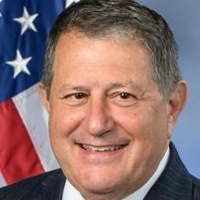
Joseph Morelle
Representative
NY
Joseph Morelle
Representative
NY
The Veteran Caregiver Reeducation, Reemployment, and Retirement Act aims to support family caregivers as they transition out of their roles. This bill extends medical care coverage for 180 days post-designation and mandates job assistance, including fee reimbursement and access to training resources. Furthermore, it requires the VA to study the feasibility of establishing retirement savings options and creating "returnship" programs for former caregivers.
This act imposes sanctions on foreign entities purchasing Russian oil and petroleum products to decrease Russia's profits, with limited exceptions tied to supporting Ukraine or reducing Russian purchases.
Michael McCaul
Representative
TX
Michael McCaul
Representative
TX
The Decreasing Russian Oil Profits Act of 2026 imposes sanctions on foreign entities purchasing or importing Russian oil and petroleum products. The President has limited authority to grant exceptions to these sanctions, such as for countries that redirect funds or significantly support Ukraine. These measures aim to restrict revenue streams supporting Russia's activities while providing narrow pathways for continued trade under specific conditions.
This bill appropriates funding and establishes operational rules for the Department of Homeland Security for Fiscal Year 2026 across management, security, preparedness, and research functions, while imposing strict oversight and spending restrictions.
Rosa DeLauro
Representative
CT
Rosa DeLauro
Representative
CT
This bill provides the funding and establishes the operational rules for the Department of Homeland Security (DHS) for Fiscal Year 2026 across all major components, including intelligence, security operations, emergency management, and research. It allocates billions for agencies like TSA, Coast Guard, FEMA, and CISA while imposing strict new requirements for congressional oversight, spending transparency, and management of federal grants. The legislation also includes specific policy directives, such as mandating security screening for senior officials and restricting certain intelligence and contracting activities.