This Act establishes the Office of Men's Health within the Department of Health and Human Services and mandates a GAO study to address the growing national health crisis facing men.
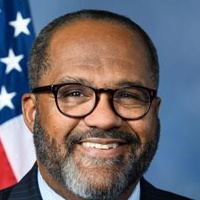
Troy Carter
Representative
LA-2
The State of Men's Health Act addresses the growing national health crisis among men, marked by shorter lifespans and higher mortality rates from leading causes of death. This legislation mandates a comprehensive study by the GAO to identify health disparities and recommend improvements. Furthermore, it establishes a dedicated Office of Men's Health within the Department of Health and Human Services to coordinate and promote programs focused on men's health education, screening, and research.
New 'State of Men’s Health Act' Targets 6-Year Lifespan Gap: Office of Men’s Health to Launch by 2026
The State of Men’s Health Act aims to tackle a stark reality: the lifespan gap between men and women has widened to nearly six years, with the average age of death for men sitting at just 73.2. This bill proposes a two-step plan to figure out why men are dying at higher rates from 9 of the top 10 leading causes of death and how the federal government can actually do something about it. By mandating a deep-dive study and creating a dedicated Office of Men’s Health within the Department of Health and Human Services (HHS), the legislation seeks to turn the tide on preventable issues like heart disease, suicide, and late-stage cancer diagnoses.
Mapping the Health Gap
Before the new office opens its doors, the Government Accountability Office (GAO) has one year to finish a massive audit of the current landscape. Under Section 3, they have to identify exactly where the disparities are—whether you’re a construction worker in Ohio or a coder in California—and figure out which existing federal programs are actually working. They’ll be looking for ways to get men more engaged with the doctor’s office, as many often wait until a minor issue becomes a crisis. For example, the bill notes that delayed treatment for testicular cancer is a major factor in poor outcomes, and the GAO will be tasked with finding ways to fix that 'wait and see' culture through better public awareness.
A New Hub for Preventive Care
No later than 18 months after the bill passes, HHS must officially establish the Office of Men’s Health. This isn’t just another floor of cubicles; Section 4 tasks this office with creating a 'best practices' database for doctors and coordinating national screening programs. If you’re at high risk for prostate cancer, diabetes, or high cholesterol, this office is responsible for making sure there’s a clear, science-backed plan to get you screened early. The bill specifically highlights the mental health crisis, noting that men account for 80% of suicides, and directs the office to prioritize mental health resources and outreach to veterans and military members.
The Fine Print on Funding
Here’s where it gets practical: the bill explicitly states that 'no new funds' are authorized for this office or the GAO study. Instead, the money has to come from budgets already approved for other HHS activities. To ensure this doesn't turn into a 'him vs. her' budget battle, Section 4(c) strictly prohibits taking any money away from the existing Office on Women’s Health. While this protects current women’s health initiatives, the challenge will be on HHS to find the cash in their existing couch cushions to make this new office effective without stripping resources from other vital health services. Success will depend on whether they can streamline overlapping programs rather than just adding more paperwork to an already crowded system.