Legislative Activity
Track Steve's sponsored bills, co-sponsored legislation, and voting record
The Vet CENTERS for Mental Health Act of 2026 mandates that the Department of Veterans Affairs establish and maintain a minimum number of Vet Centers in every state based on geographic size and veteran population.
Thomas Kean
Representative
NJ
Thomas Kean
Representative
NJ
The Vet CENTERS for Mental Health Act of 2026 mandates that the Department of Veterans Affairs ensure every state meets a minimum threshold of Vet Centers based on land area and veteran population. This legislation aims to improve accessibility by requiring the establishment of additional centers or outstations to guarantee that veterans nationwide have consistent, reliable access to mental health resources.
The ARTICLE ONE Act amends the National Emergencies Act to require congressional approval for presidential declarations of national emergencies and mandates increased reporting and transparency regarding the use of emergency powers.
Chip Roy
Representative
TX
Chip Roy
Representative
TX
The ARTICLE ONE Act reforms the National Emergencies Act to restore congressional oversight over presidential emergency powers. It requires the President to obtain congressional approval within 30 days of declaring a national emergency and mandates periodic renewals and enhanced reporting to ensure transparency. By establishing clear time limits and legislative review procedures, the bill ensures that extraordinary executive authority remains subject to the checks and balances of the legislative branch.
This bill mandates that biomedical products developed with federal research funding be sold at reasonable prices, ensuring U.S. residents are not charged more than the median price in comparable high-income nations.
Valerie Hoyle
Representative
OR
Valerie Hoyle
Representative
OR
The Affordable Pricing for Taxpayer-Funded Prescription Drugs Act of 2026 mandates that biomedical products developed with federal research funding must be sold at a reasonable price. It establishes a price ceiling based on international benchmarks to ensure U.S. residents do not pay more than those in other high-income nations. Additionally, the bill increases transparency by requiring manufacturers to publicly report clinical trial costs, federal subsidies, and annual revenues for these products.
This resolution expresses support for designating July as "Disability Pride Month" to promote awareness, celebrate the disability community, and combat discrimination.
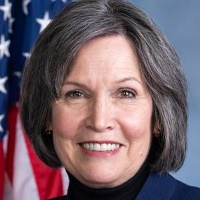
Betty McCollum
Representative
MN
Betty McCollum
Representative
MN
This resolution supports the designation of July as "Disability Pride Month." It encourages communities across the United States to observe the month with celebrations while actively working to end discrimination and exclusion against people with disabilities.
The Right to IVF Act of 2026 establishes a nationwide right to fertility care, mandates comprehensive insurance coverage for reproductive services, and expands access to fertility treatments for veterans and federal employees.
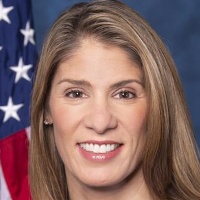
Lori Trahan
Representative
MA
Lori Trahan
Representative
MA
The Right to IVF Act of 2026 establishes a nationwide statutory right to access assisted reproductive technology (ART) and intrauterine insemination (IUI) while prohibiting states from imposing restrictive barriers. The bill further expands family-building support by mandating comprehensive fertility coverage across private insurance, Medicare, Medicaid, and federal employee health plans. Additionally, it guarantees expanded access to fertility services and preservation for military service members and veterans.
This bill reauthorizes the Accelerating Access to Critical Therapies for ALS Act through 2031 while enhancing grant oversight, safety reporting requirements, and FDA strategic planning for rare neurodegenerative diseases.

Mike Quigley
Representative
IL
Mike Quigley
Representative
IL
The Accelerating Access to Critical Therapies for ALS Reauthorization Act of 2026 extends vital funding for ALS research and clinical trial programs through 2031. This legislation strengthens oversight by enhancing grant review processes, improving safety reporting requirements, and mandating a comprehensive five-year FDA action plan to accelerate the development of treatments for rare neurodegenerative diseases.
This bill prohibits domestic business entities with significant foreign ownership or influence from contributing to U.S. elections and mandates strict certification requirements to ensure political spending is free from foreign control.
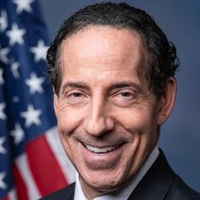
Jamie Raskin
Representative
MD
Jamie Raskin
Representative
MD
The Get Foreign Money Out of United States Elections Act strengthens existing laws to prevent foreign influence in American elections. It expands the ban on foreign contributions to include domestic companies with significant foreign ownership or control and mandates strict certification requirements for corporate political action committees. These measures ensure that foreign entities cannot influence federal, state, or local elections through direct spending, ballot initiatives, or Super PACs.
This bill officially designates the United States Postal Service facility at 401 North Elm Street in Tuskegee, Alabama, as the "Tuskegee Airmen Memorial Post Office."
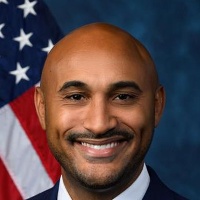
Shomari Figures
Representative
AL
Shomari Figures
Representative
AL
This bill officially renames the United States Postal Service facility at 401 North Elm Street in Tuskegee, Alabama. The facility will now be known as the "Tuskegee Airmen Memorial Post Office." This designation requires all official documents to use the new name for the location.
This bill establishes new payment rules and prohibitions for Pharmacy Benefit Managers (PBMs) administering federal employee health plans, including penalties for noncompliance.
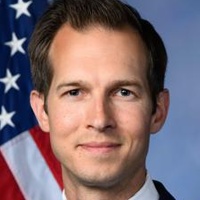
Jake Auchincloss
Representative
MA
Jake Auchincloss
Representative
MA
This bill, the Pharmacists Fight Back in Federal Employee Health Benefit Plans Act, establishes new rules for Pharmacy Benefit Managers (PBMs) administering prescription drug benefits for federal employees. It mandates specific reimbursement rates for pharmacies and prohibits PBMs from engaging in anti-competitive practices like steering patients to affiliated pharmacies. The legislation also institutes civil monetary penalties and potential debarment for PBMs that fail to comply with these new requirements.
The Medicaid Dental Benefit Act of 2026 mandates comprehensive dental coverage for adults under state Medicaid programs while establishing new federal quality standards, reporting requirements, and outreach initiatives to improve oral health equity.
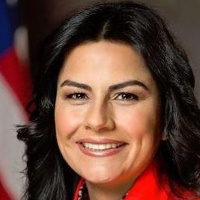
Nanette Barragán
Representative
CA
Nanette Barragán
Representative
CA
The Medicaid Dental Benefit Act of 2026 mandates that all state Medicaid programs provide comprehensive dental and oral health coverage for adults beginning January 1, 2027. To support this transition, the bill provides three years of 100% federal funding for these core services and establishes new national quality and equity reporting standards. Additionally, the legislation requires federal outreach programs to improve access to care and mandates a comprehensive report on the state of adult oral health in the United States.
This bill prohibits lifetime and annual dollar limits on dental benefits under CHIP and mandates that states provide supplemental dental-only coverage for eligible children.
Nanette Barragán
Representative
CA
Nanette Barragán
Representative
CA
The Ensuring Kids Have Access to Medically Necessary Dental Care Act strengthens dental coverage for children enrolled in the Children's Health Insurance Program (CHIP). This legislation prohibits states from imposing annual or lifetime dollar limits on dental benefits and mandates that states provide dental-only supplemental coverage. These changes ensure that low-income children have consistent, comprehensive access to necessary dental care.
The "Combating Illicit Xylazine Act" aims to combat the misuse of xylazine by adding it to Schedule III of the Controlled Substances Act, tracking its distribution, and ensuring appropriate penalties for related offenses, while also protecting legitimate veterinary use.
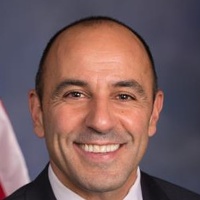
Jimmy Panetta
Representative
CA
Jimmy Panetta
Representative
CA
The "Combating Illicit Xylazine Act" aims to combat the illegal use of xylazine by adding it to Schedule III of the Controlled Substances Act, which would allow for increased regulation and tracking of the substance. The bill includes exemptions and delayed effective dates for certain requirements to ease the transition for legitimate users, such as veterinarians and animal handlers. It also directs the Sentencing Commission to review sentencing guidelines for xylazine-related offenses and mandates reports to Congress on the prevalence and impact of illicit xylazine use. Finally, it will include xylazine in Arcos tracking.
This bill mandates the Federal Energy Regulatory Commission to hold a technical conference and report on strategies to shield residential and small commercial utility customers from rising energy costs driven by large AI data centers.
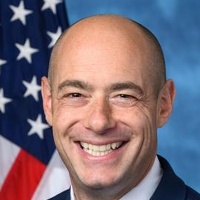
Greg Landsman
Representative
OH
Greg Landsman
Representative
OH
This bill, the Protecting Families from AI Data Center Energy Costs Act, directs the Federal Energy Regulatory Commission (FERC) to convene a technical conference on strategies to shield residential and small commercial utility customers from rising energy costs driven by large loads like AI data centers. Following the conference, FERC must submit a report to Congress detailing recommendations and best practices. The goal is to ensure utility costs remain manageable for everyday families and small businesses.
The No Passes for Polluters Act of 2026 requires Congressional approval for executive branch exemptions from Clean Air Act emission standards and eliminates specific compliance waivers for hazardous air pollutants.

Doris Matsui
Representative
CA
Doris Matsui
Representative
CA
The No Passes for Polluters Act of 2026 amends the Clean Air Act to require explicit Congressional approval before the President or federal agencies can grant exemptions from air pollution, vehicle fleet, or ozone-depleting substance regulations. The bill establishes a formal joint resolution process for these approvals and empowers citizens to sue if exemptions are utilized without legislative authorization. Additionally, the legislation repeals existing provisions that allowed for compliance schedule exemptions regarding hazardous air pollutants.
The Justice for Incarcerated Moms Act aims to improve maternal health outcomes for incarcerated individuals by prohibiting the shackling of pregnant prisoners and establishing federal and state programs to provide comprehensive prenatal and postpartum care.
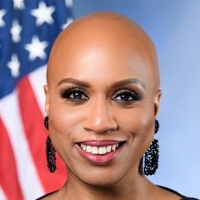
Ayanna Pressley
Representative
MA
Ayanna Pressley
Representative
MA
The Justice for Incarcerated Moms Act aims to improve maternal health outcomes and reduce disparities for pregnant and postpartum individuals in the criminal justice system. The bill mandates the end of shackling for pregnant individuals in federal and state facilities and establishes comprehensive model programs to provide prenatal and postpartum care. Additionally, it creates a grant program for state and local facilities to improve maternal health services and requires a federal report to identify and address systemic barriers to care.
The AADAPT Act expands grant eligibility and funding to integrate dementia care services into health centers through 2031.
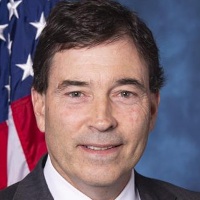
Troy Balderson
Representative
OH
Troy Balderson
Representative
OH
The AADAPT Act expands access to specialized dementia care by authorizing grants for public and nonprofit health centers to integrate these services into their programs. Additionally, the bill extends federal funding authorization through 2031 to ensure the continued growth and sustainability of these critical health outcomes.
This resolution opposes a proposed OMB rule that would replace merit-based scientific review with political oversight and restrict research into diversity, equity, and inclusion, arguing that such changes would undermine U.S. health research and exacerbate health disparities.

Debbie Dingell
Representative
MI
Debbie Dingell
Representative
MI
This resolution opposes a proposed rule that would grant political appointees oversight of federal research grants and restrict funding for diversity, equity, and inclusion (DEI) initiatives. It argues that these changes would undermine the integrity of the merit-based peer review system and hinder critical research into health disparities. Ultimately, the resolution reaffirms the necessity of inclusive, science-driven research to ensure equitable health outcomes for all Americans.
This bill mandates electronic prior authorization, increases transparency through required data reporting, and establishes faster decision timelines for Medicare Advantage plans to improve timely access to care for seniors.
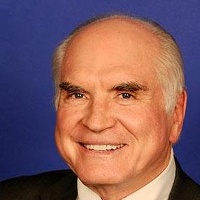
Mike Kelly
Representative
PA
Mike Kelly
Representative
PA
The Improving Seniors’ Timely Access to Care Act of 2025 aims to streamline and modernize the prior authorization process within Medicare Advantage plans. This bill mandates the adoption of electronic prior authorization systems and significantly increases transparency regarding approval rates and decision times starting in 2027. Furthermore, it establishes new enrollee protections and grants the Secretary authority to enforce faster decision timeframes for medical services.
The Safe Cloud Storage Act establishes federal cybersecurity, storage, and liability standards for private vendors contracted by law enforcement to manage digital evidence of child exploitation.
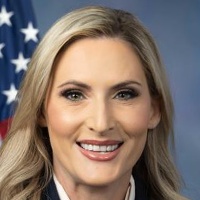
Laurel Lee
Representative
FL
Laurel Lee
Representative
FL
The Safe Cloud Storage Act establishes federal standards for law enforcement agencies that use private vendors to store digital evidence of child pornography and child obscenity. The bill mandates rigorous cybersecurity and data handling requirements for these vendors while providing them with limited liability protections. Additionally, it sets clear protocols for evidence retention and oversight to ensure the secure management of sensitive investigative materials.
This resolution reaffirms the commitment to universal accessibility by advocating for the full implementation of disability-inclusive design standards across all federally funded infrastructure and public facilities.
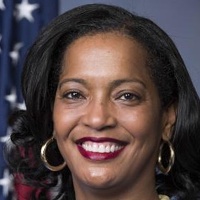
Jahana Hayes
Representative
CT
Jahana Hayes
Representative
CT
This resolution reaffirms the federal commitment to ensuring equal access to public facilities and rights-of-way for all individuals, including the more than 70 million Americans living with disabilities. It supports the full implementation of accessibility guidelines for pedestrian infrastructure and pledges to prioritize universal, inclusive design in all future federal projects. By upholding the principles of the Americans with Disabilities Act, the bill aims to remove systemic barriers and guarantee that all citizens can engage fully and safely in society.