
Legislative Activity
Track Steve's sponsored bills, co-sponsored legislation, and voting record
This resolution censures President Trump and Special Envoy Witkoff for violating the Foreign Emoluments Clause by accepting undisclosed payments from the UAE and demands they divest from related foreign business interests.
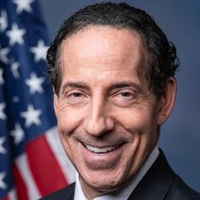
Jamie Raskin
Representative
MD
Jamie Raskin
Representative
MD
This resolution expresses the sense of the House that President Trump and Special Envoy Witkoff violated the Foreign Emoluments Clause by accepting undisclosed payments linked to a secret deal with an entity substantially funded by the UAE. It demands they immediately turn over all such payments to the Treasury and divest from any business interests connected to foreign governments. The bill cites specific financial transactions and subsequent U.S. policy actions favoring the UAE as evidence of a grave conflict of interest.
This bill reauthorizes the Breast Cancer Research Stamp program, extending the authority to issue the special postage stamp through 2037.
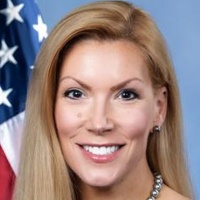
Beth Van Duyne
Representative
TX
Beth Van Duyne
Representative
TX
This bill reauthorizes the popular Breast Cancer Research Stamp program, extending the authority to issue the special postage stamp until 2037. This ensures continued funding for breast cancer research through stamp sales.
This resolution expresses the House's view that the Department of Justice must refuse to administratively settle President Trump's personal legal claims against the U.S. government due to the Domestic Emoluments Clause.
Jamie Raskin
Representative
MD
Jamie Raskin
Representative
MD
This resolution expresses the sense of the House that the Department of Justice must comply with the Domestic Emoluments Clause. It specifically calls for the DOJ to refuse to administratively settle the billions of dollars in legal claims filed against the United States by President Donald Trump. The bill asserts that allowing the President to settle his own personal claims against the government constitutes an unconstitutional conflict of interest.
This bill supports designating "Black Maternal Health Week" to highlight the urgent need to address and reduce the severe maternal mortality and morbidity crisis disproportionately affecting Black women and birthing people in the United States.
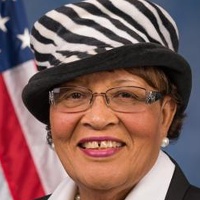
Alma Adams
Representative
NC
Alma Adams
Representative
NC
This bill supports designating a week in April 2026 as "Black Maternal Health Week" to focus national attention on the severe maternal health crisis facing Black women. It highlights the unacceptable and unjust disparities in maternal mortality and morbidity rates among Black women due to structural racism and inequities. The legislation urges Congress to invest in comprehensive maternal care and pass legislation, like the Momnibus Act, grounded in human rights and reproductive justice.
This act imposes a 10% surcharge on the income of high-earning individuals starting in 2027.
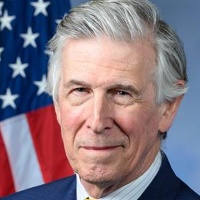
Donald Beyer
Representative
VA
Donald Beyer
Representative
VA
The Millionaires Surtax Act imposes a 10% surcharge on high-income individuals starting in 2027. This surcharge applies to modified adjusted gross income exceeding $1 million for most filers, or $2 million for married couples filing jointly. The tax is calculated based on adjusted gross income, with specific adjustments for investment interest and nonresident aliens.
This resolution impeaches Secretary of Defense Peter B. Hegseth for high crimes and misdemeanors stemming from unauthorized military actions, endangering service members, violating the laws of war, mishandling classified information, obstructing Congress, and abusing his office for political purposes.
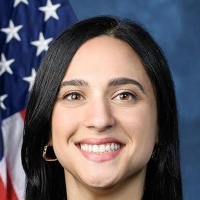
Yassamin Ansari
Representative
AZ
Yassamin Ansari
Representative
AZ
This resolution impeaches Secretary of Defense Peter B. Hegseth for high crimes and misdemeanors. The charges primarily involve the unauthorized initiation of military hostilities against Iran, endangering service members, and violating the laws of armed conflict. Furthermore, the articles accuse him of gross negligence with classified information, obstructing Congressional oversight, and abusing his office for political purposes, including undermining military readiness and personnel protections.
The Tech to Save Moms Act establishes grant programs and mandates studies to leverage technology, telehealth, and collaborative learning models to reduce maternal mortality and severe maternal morbidity, especially among minority groups.
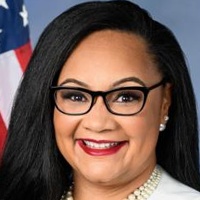
Nikema Williams
Representative
GA
Nikema Williams
Representative
GA
The Tech to Save Moms Act establishes grant programs to improve maternal health outcomes by leveraging technology for better identification, monitoring, and response to pregnancy-related risks. It directs the Secretary of HHS to fund projects using remote monitoring, telehealth, and digital tools to reduce maternal mortality and severe morbidity, with a focus on underserved populations. The legislation also mandates studies and reports on integrating technology into maternity care and improving telehealth models for Medicaid recipients.
This bill officially renames the post office at 417 West 7th Street in Columbia, Tennessee, to the Pharmacist’s Mate First Class John Harlan Willis Post Office Building.
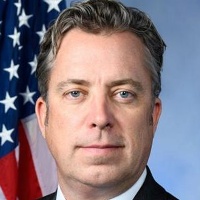
Andrew Ogles
Representative
TN
Andrew Ogles
Representative
TN
This bill officially renames the United States Postal Service facility located at 417 West 7th Street in Columbia, Tennessee. The building will now be known as the Pharmacist’s Mate First Class John Harlan Willis Post Office Building. This designation ensures all official references to the facility reflect the new name.
The Senior Hunger Prevention Act of 2026 aims to reduce food insecurity among older adults and adults with disabilities by improving SNAP efficacy, streamlining access, expanding nutrition programs, and funding better infrastructure for fresh food access.

Suzanne Bonamici
Representative
OR
Suzanne Bonamici
Representative
OR
The Senior Hunger Prevention Act of 2026 aims to significantly reduce food insecurity among older adults and adults with disabilities. It achieves this by strengthening and streamlining the Supplemental Nutrition Assistance Program (SNAP) through simplified applications, extended certification periods, and new delivery options. The bill also expands eligibility for other nutrition programs and establishes grant programs to improve local food access infrastructure.
This bill establishes a commission of medical and former government experts to evaluate a President's physical or mental capacity to discharge the duties of the office when directed by Congress.
Jamie Raskin
Representative
MD
Jamie Raskin
Representative
MD
This bill establishes the Commission on Presidential Capacity to Discharge the Powers and Duties of the Office, a body tasked with evaluating the physical or mental fitness of the President. The Commission, composed of medical experts and former high-ranking officials, can be directed by Congress to examine the President. Its findings regarding the President's ability to execute their duties are then reported to Congress and the Vice President.
This Act mandates federal oversight and new rules for large data centers connecting to the electric grid, requiring them to pay for associated infrastructure costs and adhere to labor and clean energy standards.
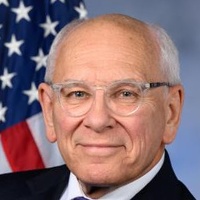
Paul Tonko
Representative
NY
Paul Tonko
Representative
NY
The Power for the People Act of 2026 aims to hold large data centers accountable for their significant and growing impact on the electric grid and consumer energy bills. It mandates that the Federal Energy Regulatory Commission (FERC) establish a special interconnection queue prioritizing data centers that use clean energy, pay prevailing wages, and agree to load flexibility. Furthermore, the bill requires states to consider creating special electricity rate classes so that data centers pay the full cost of necessary local grid upgrades instead of passing those costs to other ratepayers.
The OHH SNAP Act of 2026 expands Supplemental Nutrition Assistance Program (SNAP) eligibility for college students by adjusting financial aid criteria and modifying work requirement exemptions.
Nikema Williams
Representative
GA
Nikema Williams
Representative
GA
The OHH SNAP Act of 2026 aims to reduce food insecurity among college students by expanding eligibility for the Supplemental Nutrition Assistance Program (SNAP). The bill simplifies access for students with a $0 or less student aid index and those classified as independent, while also streamlining work requirement exemptions. These changes are designed to ensure that more students in higher education can access essential nutritional support.
This bill increases the minimum financial responsibility insurance requirements for motor carriers transporting property from $750,000 to $5,000,000 and mandates periodic inflation adjustments based on medical care costs.
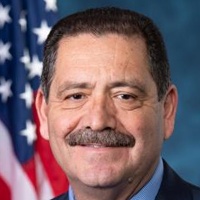
Jesús García
Representative
IL
Jesús García
Representative
IL
The Fair Compensation for Truck Crash Victims Act increases the minimum insurance requirement for motor carriers transporting property from $750,000 to $5,000,000. This legislation aims to modernize financial responsibility standards to better account for medical-cost inflation and ensure adequate protection for the public. Additionally, the bill mandates that these minimums be adjusted every five years to keep pace with rising healthcare costs.
This resolution formally introduces drafted Articles of Impeachment into the congressional record to facilitate public and legislative debate regarding presidential accountability and constitutional governance.
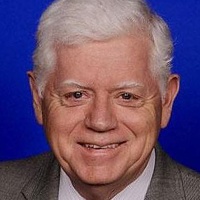
John Larson
Representative
CT
John Larson
Representative
CT
This resolution formally introduces drafted Articles of Impeachment against Donald J. Trump into the congressional record to facilitate an official debate on constitutional governance. By bypassing procedural restrictions on the House floor, the measure aims to elevate specific legal arguments regarding executive accountability for public and legislative consideration.
This resolution acknowledges the historical and systemic injustices in women’s health care while affirming a federal commitment to bodily autonomy, equitable treatment, and patient-centered medical research.
Yassamin Ansari
Representative
AZ
Yassamin Ansari
Representative
AZ
This resolution acknowledges the historical and systemic injustices, bias, and lack of bodily autonomy that have long marginalized women in the U.S. healthcare system. It affirms the Federal Government’s commitment to dismantling these barriers by prioritizing patient-centered care, increasing research investment, and protecting reproductive rights. Ultimately, the bill seeks to ensure that all women receive dignified, equitable, and informed medical treatment.
The Maternal Vaccination Act establishes a federal awareness and equity campaign to increase vaccination rates among pregnant and postpartum individuals and their children.
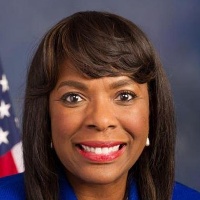
Terri Sewell
Representative
AL
Terri Sewell
Representative
AL
The Maternal Vaccination Act establishes a dedicated awareness and equity campaign to increase vaccination rates among pregnant and postpartum individuals. By providing targeted funding and expanding immunization program grants, the bill ensures that healthcare providers are better equipped to support maternal health, with a specific focus on reaching underserved and minority communities.
This bill repeals the federal tax credits for using carbon dioxide in enhanced oil recovery and eliminates the dedicated enhanced oil recovery tax credit.
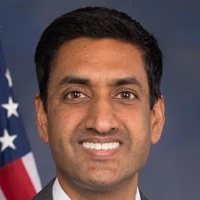
Ro Khanna
Representative
CA
Ro Khanna
Representative
CA
This bill, the End Polluter Welfare for Enhanced Oil Recovery Act of 2026, eliminates key federal tax credits for using captured carbon dioxide in enhanced oil recovery (EOR) projects. Specifically, it repeals the Section 43 EOR credit and removes the Section 45Q credit for carbon oxide used as a tertiary injectant in EOR. These changes are effective for taxable years beginning after December 31, 2025.
This bill officially renames the U.S. Postal Service facility at 819 West Washington Boulevard in Los Angeles, California, as the "Jerry T. Hodges, Jr. Post Office Building."
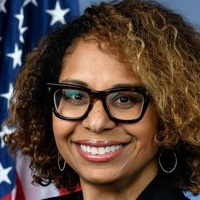
Sydney Kamlager-Dove
Representative
CA
Sydney Kamlager-Dove
Representative
CA
This bill officially renames the United States Postal Service facility located at 819 West Washington Boulevard in Los Angeles, California. The building will henceforth be known as the "Jerry T. Hodges, Jr. Post Office Building."
This bill prohibits the use of federal funds for military force in or against Cuba through 2026, unless explicitly authorized by Congress or permitted under the War Powers Resolution.
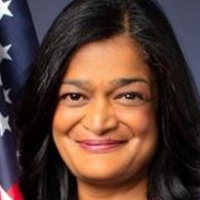
Pramila Jayapal
Representative
WA
Pramila Jayapal
Representative
WA
This bill prohibits the use of federal funds for military action in or against Cuba through December 31, 2026. Exceptions are only permitted if Congress declares war, provides specific statutory authorization, or if the action aligns with the War Powers Resolution.
This Act mandates the implementation of security mechanisms on advanced integrated circuit products before export to protect U.S. technology and enhance national security.
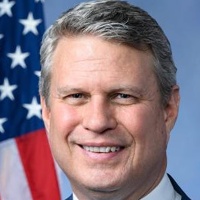
Bill Huizenga
Representative
MI
Bill Huizenga
Representative
MI
The Chip Security Act mandates the installation of security mechanisms on advanced integrated circuit products before they are exported from the United States. These requirements aim to verify chip location, prevent diversion, and protect U.S. technological leadership. The Secretary of Commerce must also study and implement additional security features to enhance export control enforcement and national security.