This bill strengthens democracy by banning foreign spending in U.S. elections, increasing transparency for "dark money" in politics, and mandating clear disclosure of funders in political advertising.
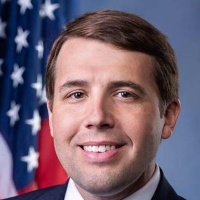
Chris Pappas
Representative
NH-1
The Democracy Is Strengthened by Casting Light On Spending in Elections Act of 2026 aims to increase transparency and security in U.S. elections. It closes loopholes to ban foreign national spending in elections, mandates disclosure for "dark money" political spending, and requires clear funding disclosures on political ads. The bill also centralizes legal challenges to campaign finance laws in Washington, D.C., for faster resolution.
New DISCLOSE Act Targets Dark Money, Foreign Influence in Elections, Starting 2027
Alright, let's talk about the Democracy Is Strengthened by Casting Light On Spending in Elections Act of 2026, or as it’s being called, the DISCLOSE Act. This bill is basically aiming to pull back the curtain on who's actually funding political campaigns and ads, especially when it comes to foreign money trying to sneak into our elections. Think of it as a major spring cleaning for campaign finance, trying to make sure you know exactly who's whispering in your ear through those political messages.
The Foreign Money Firewall
First up, this bill is really trying to beef up the rules against foreign nationals influencing our elections. Right now, there are some pretty big gaps, and foreign money can sometimes find its way into things like state and local ballot initiatives or even digital ads. This bill, particularly in Title I, aims to close those loopholes. Starting in 2026, foreign nationals would be banned from spending on state and local ballot measures, so those tax proposals or school bond issues in your town wouldn't be funded by overseas interests. It also extends the ban to digital ads and 'issue advocacy' that pops up close to an election. So, if you see a targeted social media ad about a candidate or a national issue, the goal is for it not to be funded by foreign cash. Plus, they’re creating a new federal crime, punishable by up to five years in prison, for setting up shell corporations to hide foreign election spending. This is a big deal for anyone running a small business or incorporation service; you’ll need to be extra vigilant about who your clients are and what they’re doing, because unknowingly helping a foreign national could land you in hot water.
Who's Paying for That Ad? (And Who's Not?)
Title II and Title IV are all about transparency. Ever wonder who's really behind that political ad that just popped up on your feed or interrupted your podcast? This bill wants to make it a lot clearer. Organizations spending over $10,000 on campaign activities would have to report their spending and their major donors to the Federal Election Commission (FEC) within 24 hours. That means no more waiting until after an election to find out who was bankrolling what. They’re also extending these disclosure rules to communications about federal judicial nominees, which is a big deal because right now, that kind of spending often flies under the radar. Imagine knowing who’s actually pushing for or against a judge who might be ruling on issues affecting your job or community.
Title IV, specifically, is all about the “Stand by Every Ad” rules. For political ads not directly authorized by a candidate, the person or leader of the organization paying for it would have to state their name and title. Video and digital ads would need to show the top five donors who gave $10,000 or more, and even audio ads would name the top two. Even prerecorded phone calls – yep, those robocalls – would need a spoken disclaimer at the beginning. This means you’d get a much clearer picture of who’s trying to influence your vote or opinion. Now, this part of the bill wouldn't kick in until 2027, so it won't affect the immediate election cycle, but it’s a big shift for how political messaging operates down the line. For organizations, especially smaller ones, this means a lot more administrative work to track and disclose funders, which could be a real hurdle.
Speeding Up the Legal Lanes
Finally, Title III focuses on how campaign finance laws are challenged in court. Right now, lawsuits can pop up all over the country, leading to inconsistent rulings and long delays. This bill would centralize all legal challenges to federal campaign finance laws in the U.S. District Court for the District of Columbia. The courts would also be required to fast-track these cases, meaning quicker decisions on whether a law is constitutional or not. The FEC would even get direct access to the Supreme Court for reviews. While this could speed up resolution of important disputes, it also means that if you’re a grassroots group in, say, Nebraska, challenging a campaign finance rule, you’d have to go to D.C. to do it. That’s a significant barrier for smaller organizations who might not have the resources for D.C.-based lawyers or travel. It could also open the door for more partisan legal battles, as any Member of Congress could intervene in these lawsuits.
Overall, the DISCLOSE Act of 2026 is a significant push for more transparency in our elections and a stronger firewall against foreign influence. While it promises to give voters a clearer picture of who’s pulling the strings, it also means a lot more paperwork and potential legal headaches for political organizations, and potentially, a higher bar for regular folks to challenge campaign finance laws.