Legislative Activity
Track Steve's sponsored bills, co-sponsored legislation, and voting record
This bill prohibits political appointees from managing NIH programs or participating in NIH funding decisions, and prevents the NIH from unilaterally canceling existing research agreements without documented findings of mismanagement or fraud.

Diana DeGette
Representative
CO
Diana DeGette
Representative
CO
The Follow the Science Act aims to insulate the National Institutes of Health (NIH) from political influence by prohibiting most political appointees from working on or managing NIH programs. This legislation specifically bars political employees from participating in the review, selection, or awarding of NIH grants and contracts. Furthermore, it restricts the NIH Director from canceling or delaying existing funding agreements unless specific findings of mismanagement or fraud are documented and reported to Congress.
This act amends Medicare Part B to cover pharmacist-provided HIV prevention services, including PrEP and PEP management, starting January 1, 2027.
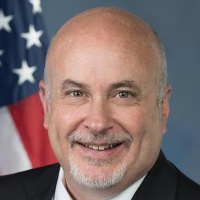
Mark Pocan
Representative
WI
Mark Pocan
Representative
WI
The PrEP Access Act aims to expand access to HIV prevention by amending Medicare Part B to cover HIV prevention services, such as PrEP and PEP management, when provided by pharmacists. This coverage will take effect on January 1, 2027. The bill also establishes specific payment rates and prohibits pharmacists from balance billing Medicare beneficiaries for these services.
This bill prohibits the export of petroleum-related equipment and services to Russia and mandates sanctions on foreign persons who facilitate such transactions.
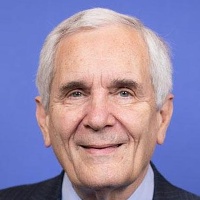
Lloyd Doggett
Representative
TX
Lloyd Doggett
Representative
TX
The No Aid for Russian Energy Act prohibits U.S. persons and entities from exporting petroleum-related equipment, technology, and services to the Russian Federation. It further mandates strict sanctions, including asset blocking and visa restrictions, against any foreign persons or companies that facilitate such trade with Russia. The bill provides limited exceptions for humanitarian aid and medical supplies while granting the President authority to issue temporary national security waivers.
This resolution recognizes the vital role of the Older Americans Act nutrition programs in combating senior hunger, malnutrition, and isolation while improving the health and quality of life for millions of older adults.
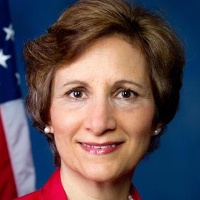
Suzanne Bonamici
Representative
OR
Suzanne Bonamici
Representative
OR
This resolution recognizes the vital role of the Older Americans Act (OAA) nutrition programs in combating hunger, malnutrition, and social isolation among seniors and individuals with disabilities. It highlights how these essential services improve health outcomes and reduce long-term medical costs while calling on Congress to support local providers through sustained funding and active volunteer participation.
This bill prohibits the importation of energy products refined outside of Russia if they were produced using Russian crude oil.
Lloyd Doggett
Representative
TX
Lloyd Doggett
Representative
TX
The Ending Importation of Laundered Russian Oil Act closes a loophole in existing sanctions by banning the import of petroleum products refined outside of Russia if they were produced using Russian crude oil. This legislation ensures that energy products derived from Russian sources cannot enter the U.S. market, subjecting violators to the same penalties as those who import Russian oil directly.
The PARK Act prohibits waiving or reducing entrance fees to National Parks and Wildlife Refuges to celebrate a sitting President's birthday, unless that day is already a Federal holiday.
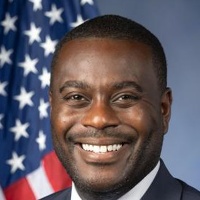
Gabe Amo
Representative
RI
Gabe Amo
Representative
RI
The PARK Act, or Protecting Americas Resources from Kings Act, amends existing law to prohibit the waiving or reduction of entrance fees at National Parks and Wildlife Refuges to celebrate a sitting President's birthday. This restriction applies unless the birthday also falls on a recognized Federal holiday.
This bill impeaches Secretary of Homeland Security Kristi Lynn Arnold Noem for high crimes and misdemeanors, citing willful refusal to comply with oversight law, violating the Impoundment Control Act, directing unlawful ICE misconduct, and misusing federal funds for personal gain.
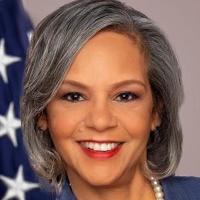
Robin Kelly
Representative
IL
Robin Kelly
Representative
IL
This resolution initiates impeachment proceedings against Secretary of Homeland Security Kristi Lynn Arnold Noem for high crimes and misdemeanors. The articles of impeachment charge her with willfully refusing to comply with Congressional oversight laws and violating the Impoundment Control Act by improperly withholding funds. Further articles allege she directed widespread misconduct by ICE agents that violated federal law and constitutional rights, and misused taxpayer funds for personal gain through improper contracting.
This bill modifies deposits into the Crime Victims Fund by excluding certain False Claims Act recoveries and mandates an Inspector General audit of the Fund's sustainability.
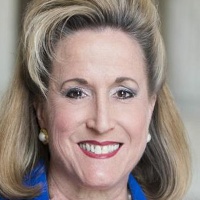
Ann Wagner
Representative
MO
Ann Wagner
Representative
MO
This bill amends the Victims of Crime Act of 1984 to temporarily exclude certain False Claims Act recoveries from being deposited into the Crime Victims Fund through fiscal year 2029. It also mandates a comprehensive audit by the Department of Justice Inspector General on the Fund's sustainability and the impact of recent legislative changes. The resulting report will provide recommendations for improving the Fund's effectiveness and oversight.
This act prohibits the use of federal funds and official action for any invasion of NATO member territory.
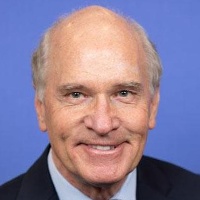
William Keating
Representative
MA
William Keating
Representative
MA
The **No Funds for NATO Invasion Act** prohibits the use of any federal funds for an invasion of any territory belonging to a member nation of the North Atlantic Treaty Organization (NATO). Furthermore, the bill bars U.S. officials from taking any action to execute such an invasion.
The Affordable CHOICE Act establishes a federally administered public health insurance option to be offered through Health Insurance Marketplaces starting in 2027 to increase competition and consumer choice.

Janice Schakowsky
Representative
IL
Janice Schakowsky
Representative
IL
The Affordable CHOICE Act establishes a federally administered public health insurance option to be offered through Health Insurance Marketplaces starting in 2027. This plan aims to increase competition and affordability by offering bronze, silver, and gold coverage levels with premiums and provider reimbursement rates negotiated by the Secretary of Health and Human Services. The legislation ensures the public option operates on a level playing field with existing private plans while providing a sustainable, self-funded model for consumer health coverage.
This resolution recognizes the 15th anniversary of the 2011 Tucson shooting, honoring the victims, survivors, and the ongoing advocacy of Gabby Giffords.
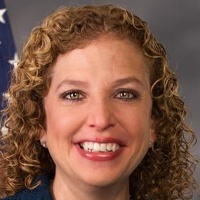
Debbie Wasserman Schultz
Representative
FL
Debbie Wasserman Schultz
Representative
FL
This resolution commemorates the 15th anniversary of the tragic January 8, 2011, Tucson shooting, honoring the six lives lost and the thirteen injured. It specifically commends the courage and ongoing advocacy of gun violence survivor and former Congresswoman Gabby Giffords. The resolution also recognizes the resilience of the community and reaffirms a commitment to ending political violence.
This bill establishes a grant program to fund the creation and implementation of career pathways utilizing immersive technology for workforce education and training.
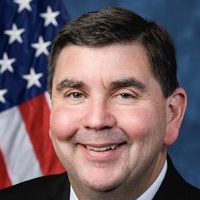
John Mannion
Representative
NY
John Mannion
Representative
NY
This bill establishes the Immersive Technology for the American Workforce Act of 2025 to fund career pathway programs utilizing immersive technologies like VR and AR. It authorizes $50 million annually for ten years to award competitive grants for creating and implementing these training services. Priority will be given to programs that align with employer needs, involve community colleges, or target in-demand sectors and underserved populations.
This act prohibits states from imposing new liens on Medicaid recipients' homes or recovering correctly paid Medicaid benefits from their estates.
Janice Schakowsky
Representative
IL
Janice Schakowsky
Representative
IL
The Stop Unfair Medicaid Recoveries Act prohibits states from imposing new liens on an individual's home for Medicaid benefits already paid. This legislation also stops states from initiating or continuing efforts to recover the costs of correctly paid Medicaid benefits from an individual's estate. Furthermore, existing liens related to these recoveries must be withdrawn shortly after the law is enacted.
The Vaccine Transportation Access Act establishes a grant program and increases federal Medicaid funding to eliminate transportation barriers for individuals seeking essential vaccinations.
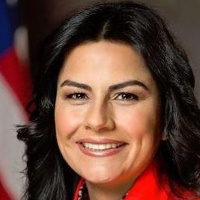
Nanette Barragán
Representative
CA
Nanette Barragán
Representative
CA
The Vaccine Transportation Access Act establishes a grant program for community organizations to provide reliable transportation services, helping individuals in underserved or low-income areas reach vaccination appointments. Additionally, the bill increases federal Medicaid support by covering 100% of the costs for nonemergency transportation specifically related to receiving eligible vaccines. These measures aim to remove critical mobility barriers and improve equitable access to essential immunizations.
The SAFE TRACKS Act mandates that states update their safety plans to detail cross-agency strategies for reducing pedestrian fatalities, including suicides, at highway-rail grade crossings.
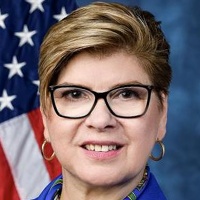
Nellie Pou
Representative
NJ
Nellie Pou
Representative
NJ
The SAFE TRACKS Act requires states to update their highway-rail grade crossing safety plans to specifically address and reduce pedestrian fatalities and suicides along railroad tracks. These updated plans must detail collaboration strategies with railroads, mental health agencies, and law enforcement. States are mandated to submit these comprehensive safety reports to the Federal Railroad Administration every five years.
This bill imposes comprehensive sanctions on Russia for its war against Ukraine while permanently extending the U.S. sanctions authority against Iran.
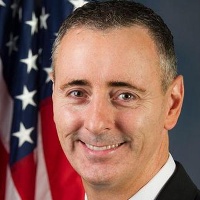
Brian Fitzpatrick
Representative
PA
Brian Fitzpatrick
Representative
PA
The Peace Through Strength Against Russia Act of 2025 imposes comprehensive sanctions on Russia's financial, military, and energy sectors in response to its war against Ukraine. This legislation cuts off major Russian banks from the U.S. financial system and bans new American investment in Russia. Additionally, the bill makes the existing sanctions authority against Iran permanent by removing its expiration date.
The Public Health Air Quality Act of 2025 establishes comprehensive new monitoring, reporting, and data transparency requirements for industrial air toxics and ambient air quality across the nation.
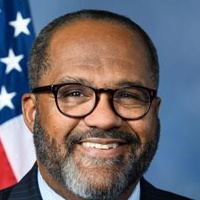
Troy Carter
Representative
LA
Troy Carter
Representative
LA
The Public Health Air Quality Act of 2025 aims to significantly enhance air quality monitoring and public data access across the United States. It establishes new federal requirements for industrial facilities to monitor and report hazardous air pollutant emissions, including real-time fenceline data. The Act also mandates the deployment of hundreds of new, advanced air quality monitors in vulnerable communities to better assess compliance with National Ambient Air Quality Standards. Ultimately, this legislation seeks to use improved, publicly accessible data to protect public health from industrial air pollution.
This Act establishes a comprehensive federal strategy to combat rising antisemitism through policy statements, enhanced security grants, improved hate crime reporting, and specific mandates for educational institutions and federal agencies, while prohibiting the weaponization of antisemitism for partisan goals.
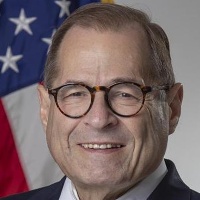
Jerrold Nadler
Representative
NY
Jerrold Nadler
Representative
NY
The Antisemitism Response and Prevention Act of 2025 aims to combat rising antisemitism through comprehensive federal action, emphasizing evidence-based strategies consistent with democratic values. The bill establishes new offices within the DOJ and FBI to coordinate counter-efforts and improve hate crime data collection. Furthermore, it mandates specific compliance and reporting requirements for colleges regarding civil rights and prohibits partisan conditions on nonprofit security grants.
This resolution reaffirms the U.S. commitment to leading global efforts to eliminate new pediatric HIV infections and expand treatment for children and women affected by the epidemic.
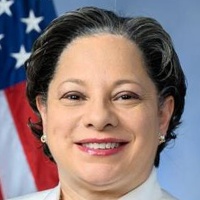
Jennifer McClellan
Representative
VA
Jennifer McClellan
Representative
VA
This resolution reaffirms the United States' commitment to ending pediatric HIV/AIDS globally by supporting critical prevention and treatment efforts. It emphasizes the need to close gaps in care, particularly for women and children in high-burden areas, and supports expanding access to testing, antiretroviral therapy, and new prevention methods. The bill specifically encourages continued U.S. leadership through initiatives like PEPFAR to achieve the goal of eliminating new pediatric HIV infections by 2030.
This act increases federal funding to 90% of administrative costs for states operating summer food assistance programs via electronic benefit transfers.
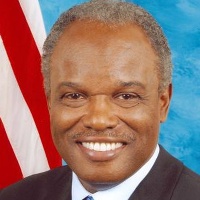
David Scott
Representative
GA
David Scott
Representative
GA
The Bridge to Summer Nutrition Act of 2025 aims to strengthen summer food assistance programs by increasing federal support for state administrative costs. Specifically, it mandates that the USDA reimburse states 90% of their monthly administrative expenses for operating summer electronic benefit transfer (EBT) programs for children. This increased funding also applies to administrative costs for regular SNAP operations.