This resolution recognizes the vital historical significance, economic impact, and essential role of Black history museums and cultural institutions in telling the full American story, especially leading up to the nation's 250th anniversary.
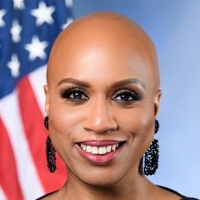
Ayanna Pressley
Representative
MA-7
This resolution formally recognizes the vital historical significance and contributions of Black history museums and cultural institutions across the United States. It affirms that these essential pillars correct historical omissions by preserving irreplaceable records and telling a full, accurate American story. The bill encourages federal agencies and the public to support these institutions, especially as the nation approaches its 250th anniversary.
Congressional Resolution Champions Black History Museums for 2026 National Anniversary
This resolution formally recognizes Black history museums and cultural institutions as essential pillars of the American story. It marks a significant shift in how the federal government plans to handle the upcoming 250th anniversary of the United States in 2026. Rather than just a standard celebration, the resolution pushes for these institutions to be central partners in national programming, ensuring that the labor of enslaved Africans and the contributions of their descendants are acknowledged as foundational to the country’s existence. It also honors the legacy of Dr. Carter G. Woodson, who started the precursor to Black History Month nearly a century ago.
More Than Just Museums
This isn’t just about glass cases and quiet hallways; it’s about the local economy and community identity. The resolution points out that these institutions are major economic drivers, supporting hundreds of thousands of jobs and generating billions in revenue through tourism and local spending. For a small business owner near a heritage site or a worker in the travel industry, this formal recognition reinforces the value of these cultural hubs as anchors for local development. By labeling these sites as "trusted spaces for truth-telling," the resolution seeks to protect them as vital resources for education and intergenerational healing.
Federal Support and the 250th Push
The resolution specifically calls on heavy hitters like the National Endowment for the Humanities and the National Park Service to prioritize funding and partnerships for these institutions. If you’re a teacher looking for resources or a local organizer planning for 2026, this means there is a clear directive for federal agencies to provide the tools and financial backing necessary to tell a more complete version of American history. It also explicitly challenges efforts to erase or distort Black history, positioning these museums as the definitive frontline against misinformation.
A Call for Public Investment
Finally, the resolution puts a spotlight on the role of everyday citizens. It encourages people to move beyond passive recognition and actively support these institutions through attendance, membership, and philanthropy. Whether you are a student using their archives for research or a family visiting a historic site on a weekend trip, the resolution frames your participation as a way to fulfill the nation’s founding promises. It’s a direct nudge to the public to invest in the places that keep the full, sometimes difficult, but ultimately essential American narrative alive.