Legislative Activity
Track Steve's sponsored bills, co-sponsored legislation, and voting record
This act imposes sanctions on foreign entities purchasing Russian oil and petroleum products to decrease Russia's profits, with limited exceptions tied to supporting Ukraine or reducing Russian purchases.
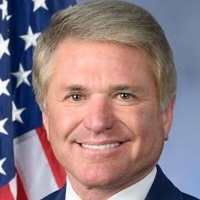
Michael McCaul
Representative
TX
Michael McCaul
Representative
TX
The Decreasing Russian Oil Profits Act of 2026 imposes sanctions on foreign entities purchasing or importing Russian oil and petroleum products. The President has limited authority to grant exceptions to these sanctions, such as for countries that redirect funds or significantly support Ukraine. These measures aim to restrict revenue streams supporting Russia's activities while providing narrow pathways for continued trade under specific conditions.
This Act establishes new financial assistance and debt collection standards for Medicare hospitals while creating a federal grant program for nonprofits to purchase and eliminate eligible medical debt.
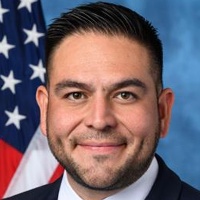
Gabriel (Gabe) Vasquez
Representative
NM
Gabriel (Gabe) Vasquez
Representative
NM
The Patient Debt Relief Act establishes new standards for hospitals participating in Medicare regarding financial assistance and medical debt collection practices, including limits on liens and wage garnishment. It also creates a grant program for eligible nonprofits to purchase and eliminate the medical debt of low-income individuals. These provisions aim to protect patients from aggressive debt collection and provide avenues for debt relief.
This act establishes non-mandatory guidance for private employers and mandatory regulations for federal agencies regarding the acquisition, maintenance, and training for opioid overdose reversal medication in the workplace.
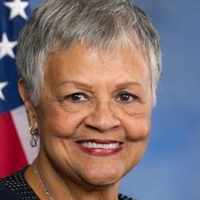
Bonnie Watson Coleman
Representative
NJ
Bonnie Watson Coleman
Representative
NJ
The WORK to Save Lives Act aims to combat opioid overdoses by requiring federal agencies to stock overdose reversal medication and provide voluntary training. For private employers, the bill establishes non-mandatory guidance on acquiring medication and offering similar voluntary employee training. This legislation focuses on increasing the availability and knowledge surrounding life-saving overdose reversal tools in workplaces.
This resolution recognizes January 2026 as National Mentoring Month to honor mentors and promote quality mentoring programs for America's youth.
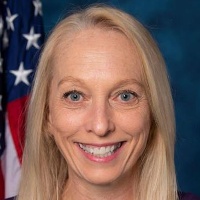
Mary Scanlon
Representative
PA
Mary Scanlon
Representative
PA
This resolution officially recognizes January 2026 as National Mentoring Month to honor the dedicated staff and volunteers in mentoring programs. It highlights the significant benefits of mentoring, such as boosting educational achievement and reducing juvenile delinquency. The bill encourages the growth of quality mentoring programs nationwide to ensure more young people have supportive adult connections.
This bill establishes reporting requirements and a process for designating successor entities and affiliates of the Wagner Group as terrorist organizations and imposing sanctions.
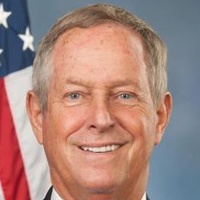
Joe Wilson
Representative
SC
Joe Wilson
Representative
SC
The HARM Act 2.0 addresses the continued threat posed by successor entities to the Wagner Group, which Congress finds are now integrated into the Russian Ministry of Defense. This bill mandates the Secretary of State to report on these successor groups, including the Africa Corps, and individuals who direct them. Ultimately, the legislation establishes a process for the executive branch to designate these entities as terrorist organizations and apply appropriate U.S. sanctions.
This bill recognizes the historic significance of the Greensboro Four sit-in, which launched a nationwide movement against racial inequality, and encourages its inclusion in educational curricula.
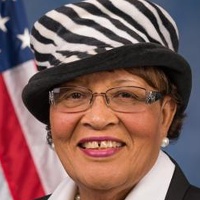
Alma Adams
Representative
NC
Alma Adams
Representative
NC
This bill recognizes the historic 1960 Greensboro Four sit-in, honoring the students whose peaceful protest launched a nationwide movement against segregation. It designates February 1, 2026, as the 66th anniversary, coinciding with the start of Black History Month. Furthermore, the bill encourages states to include the Greensboro Four's contributions in educational curricula.
This bill mandates that Federally-qualified health centers receive the full 340B discounted drug price upfront at the point of purchase, prohibiting post-purchase price adjustments.
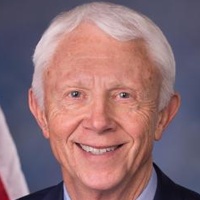
Jack Bergman
Representative
MI
Jack Bergman
Representative
MI
The Community Health Center Drug Pricing Protection Act ensures that Federally-qualified health centers (FQHCs) receive the full 340B discounted price for drugs at the point of purchase. This legislation prohibits manufacturers from requiring FQHCs to pay more than the established ceiling price upfront, regardless of any later rebates or reimbursements. The goal is to guarantee immediate, upfront savings for these vital health centers.
This bill prohibits immigration officers from using biometric surveillance systems to monitor individuals at public assemblies.
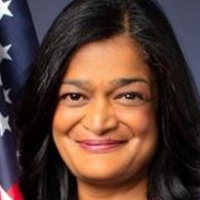
Pramila Jayapal
Representative
WA
Pramila Jayapal
Representative
WA
The ICE Out of Our Faces Act prohibits U.S. Customs and Border Protection (CBP) and Immigration and Customs Enforcement (ICE) officers from using biometric surveillance systems, such as facial recognition, to monitor individuals at public assemblies. This legislation bans the acquisition and use of this technology and mandates the deletion of any previously collected biometric data within 30 days of enactment. Violations can lead to evidence being inadmissible in court and allow harmed individuals to sue the responsible federal agencies.
This bill prohibits the use of hydrofluoric acid in all petroleum refineries, requiring existing facilities to convert to safer alternatives within five years.
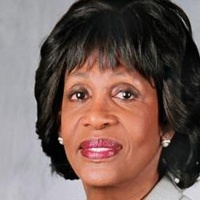
Maxine Waters
Representative
CA
Maxine Waters
Representative
CA
This bill prohibits the use of hydrofluoric acid (hydrogen fluoride) in all petroleum refineries, citing its extreme danger to surrounding communities. It immediately bans its use in any new refinery and mandates that existing refineries phase out its use within five years. The legislation aims to prevent mass casualty events by requiring the adoption of safer, commercially available alternative technologies.
This Act establishes grant programs and provider reimbursement to expand access to HIV prevention medication (PrEP) and related services for underserved and uninsured individuals.
Bonnie Watson Coleman
Representative
NJ
Bonnie Watson Coleman
Representative
NJ
The PrEP Assistance Program Act establishes federal grant funding to support organizations providing HIV prevention medication (PrEP) and related services. It also creates a reimbursement program to ensure uninsured individuals can receive these essential HIV prevention items and services at no cost through a "PrEP Pass" card. The legislation aims to expand access to PrEP by supporting community programs and eliminating financial barriers for the uninsured.
The GRAD Act expands existing grant programs for HBCUs and PBIs to include institutions offering specific master's degree programs and adjusts the distribution of leftover funds.
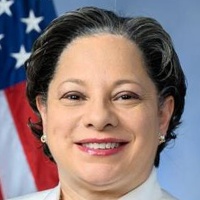
Jennifer McClellan
Representative
VA
Jennifer McClellan
Representative
VA
The Growing Reputable Academic Departments (GRAD) Act expands eligibility for existing federal grant programs benefiting Historically Black Colleges and Universities (HBCUs) and Predominantly Black Institutions (PBIs). This expansion specifically targets institutions offering qualified master's degree programs. The bill also updates the formula for distributing leftover funds within these grant programs.
This resolution supports the goals of National Black HIV/AIDS Awareness Day by encouraging testing, commending service organizations, and advocating for strategies to reduce HIV disparities in Black communities.
Maxine Waters
Representative
CA
Maxine Waters
Representative
CA
This resolution supports the goals of National Black HIV/AIDS Awareness Day by recognizing the disproportionate impact of HIV on Black Americans. It encourages testing, commends organizations providing culturally competent care, and supports the implementation of the National HIV/AIDS Strategy to reduce disparities. The bill also calls for prioritizing funding for minority-led agencies and addressing systemic barriers to care.
This bill establishes mandatory minimum humanitarian standards for health screening, water, sanitation, food, and shelter for all individuals in ICE and CBP custody.
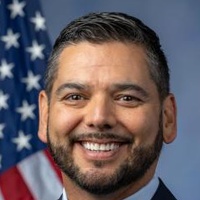
Raul Ruiz
Representative
CA
Raul Ruiz
Representative
CA
The Humanitarian Standards for Individuals in ICE and CBP Custody Act establishes minimum standards for health screening, nutrition, sanitation, and shelter for individuals detained by ICE and CBP. This bill mandates specific protocols for medical care, facility conditions, and personnel training to ensure humane treatment. It also requires regular inspections and public reporting on compliance and sexual abuse complaints.
This bill reauthorizes and expands federal funding and services for victims of family and dating violence while strengthening prevention efforts, especially for Tribal and underserved communities.
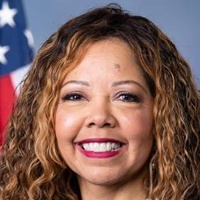
Lucy McBath
Representative
GA
Lucy McBath
Representative
GA
The Family Violence Prevention and Services Improvement Act of 2026 reauthorizes and expands critical federal programs to improve services and prevention for victims of domestic and dating violence through 2031. It significantly increases funding and broadens support, especially for Tribal communities and underserved populations, by allowing for culturally specific and digital services. Additionally, the bill enhances efforts to prevent teen dating violence through increased funding for broader educational programs.
This Act ensures federal employees and certain contractors are paid during any government shutdown in fiscal year 2026 and prohibits workforce reductions during such funding gaps.
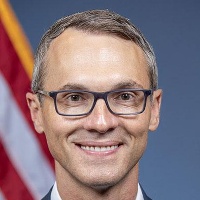
James Walkinshaw
Representative
VA
James Walkinshaw
Representative
VA
The True Shutdown Fairness Act ensures that federal employees and certain contract employees receive their full pay and benefits during any government shutdown in fiscal year 2026. It also mandates retroactive contract price adjustments to compensate contractors for costs incurred during previous shutdowns. Furthermore, the bill prohibits federal agencies from implementing workforce reductions or placing employees on extended administrative leave during funding lapses.
This bill seeks to disapprove and nullify the Department of Veterans Affairs' final rule regarding "Reproductive Health Services."
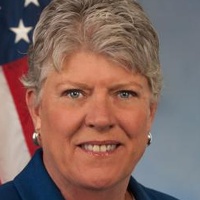
Julia Brownley
Representative
CA
Julia Brownley
Representative
CA
This resolution seeks to disapprove the Department of Veterans Affairs' final rule concerning "Reproductive Health Services" issued in September 2024. If enacted, this disapproval, made under the Congressional Review Act, would prevent the VA rule from taking legal effect.
This act prohibits the use of images of living elected officials or political figures on the National Parks and Federal Recreational Lands Pass.
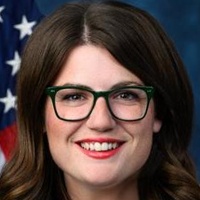
Sarah Elfreth
Representative
MD
Sarah Elfreth
Representative
MD
This bill, the Prohibit Partisan Park Passes Act, amends existing law to restrict the imagery allowed on the National Parks and Federal Recreational Lands Pass. Specifically, it prohibits the use of images of any living current or former elected official or living political figure on the pass.
The Farm and Family Relief Act delays cost-sharing changes for SNAP benefits, provides targeted economic assistance to producers of various commodities and timber, establishes a specialty crop market development program, creates a Forest Service technology transfer office, and terminates certain timber-related tariffs.
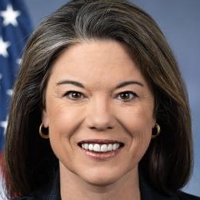
Angie Craig
Representative
MN
Angie Craig
Representative
MN
The Farm and Family Relief Act provides targeted economic assistance to various agricultural sectors, including producers of eligible commodities, sugar beets, and specialty crops, while also delaying scheduled cost-sharing changes for SNAP benefits. Additionally, the bill establishes new programs to support timber businesses through financial assistance and creates an Office of Technology Transfer within the U.S. Forest Service to commercialize research. Finally, it terminates several specific Executive orders imposing tariffs.
This act establishes the Domestic Cotton Consumption Credit to incentivize businesses to use U.S.-grown cotton through a verified supply chain with varying credit percentages based on processing location.
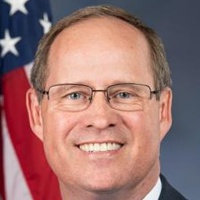
Gregory Murphy
Representative
NC
Gregory Murphy
Representative
NC
The Buying American Cotton Act of 2026 establishes the Domestic Cotton Consumption Credit to incentivize the use of U.S.-grown cotton in products sold domestically. This new business tax credit is calculated based on the volume of U.S. cotton used, the market price, and where the product was processed. The bill mandates digital tracing to verify the supply chain and offers significantly increased credit multipliers for products containing U.S.-made cotton yarn or fabric.
This bill eliminates out-of-pocket costs for mental health and substance use disorder services for pregnant and postpartum individuals under most health plans.
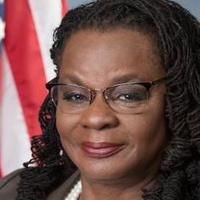
Gwen Moore
Representative
WI
Gwen Moore
Representative
WI
The Mental Health and MAMA Act of 2026 aims to improve access to care for new and expecting mothers. This legislation prohibits certain health plans from charging out-of-pocket costs for in-network mental health and substance use disorder services for pregnant and postpartum individuals. Furthermore, it updates continuity of care protections to explicitly cover postpartum individuals receiving ongoing mental health or substance use disorder treatment. These provisions will also apply to the Federal Employees Health Benefits Program.