This resolution establishes February 28th as HIV is Not a Crime Awareness Day to advocate for the decriminalization of HIV and end outdated laws that disproportionately harm affected communities.
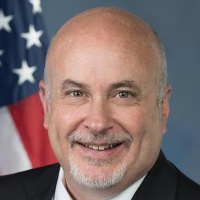
Mark Pocan
Representative
WI-2
This resolution establishes February 28th as "HIV is Not a Crime Awareness Day" to advocate for the decriminalization of HIV across the nation. It highlights outdated laws that unfairly criminalize people living with HIV based on their status, regardless of transmission risk. The day calls for action to repeal these scientifically inaccurate laws, which undermine public health efforts and disproportionately affect marginalized communities. Ultimately, the resolution supports ending HIV criminalization to promote education, treatment, and justice.
Resolution Designates February 28 as HIV is Not a Crime Awareness Day: A Push to Modernize Laws and End Stigma.
This resolution officially recognizes February 28th as HIV is Not a Crime Awareness Day, a move designed to shine a light on outdated state laws that punish people based on their health status rather than their actions. The resolution highlights a stark reality: 32 states still have HIV-specific criminal laws on the books, and 25% of prosecutions involve things like spitting or biting—actions that medical science has long proven cannot actually transmit the virus. By establishing this day, the House of Representatives is signaling a shift toward public health over punishment, aiming to stop the use of a medical diagnosis as a tool for legal enhancement.
Science Over Sentences
The core of this resolution is about catching the law up to modern medicine. Right now, in many places, a person living with HIV can face felony charges or even sex offender registration (currently required in 5 states) for consensual behavior, even when there is zero risk of transmission or when they are on effective treatment. Imagine a construction worker or a software dev who is managing their health perfectly but could still face a prison sentence simply because of a status they’ve had for a decade. This resolution argues that these laws don't actually stop the spread of the virus; instead, they scare people away from getting tested or treated because they’re afraid a positive result could one day be used against them in court.
Real-World Ripple Effects
This isn't just about legal jargon; it’s about the people who feel the weight of these laws every day. The resolution points out that Black and brown communities, as well as transgender women, are hit the hardest by these policies. It calls for a major boost in funding for things that actually work, like PrEP (pre-exposure prophylaxis) and peer navigation programs that help people stay in care. By pushing for inclusive sex education and culturally responsible information, the goal is to make sure that a young person or a parent has the facts they need to stay healthy without the shadow of a potential criminal record hanging over them.
The Road to Reform
While this resolution doesn't instantly delete state laws, it sets a clear federal standard that the status quo is medically and socially outdated. It encourages local governments and law enforcement to get educated on how HIV actually works today—not how we thought it worked in the 1980s. For the average person, this means a move toward a healthcare system where your medical history isn't a liability and where public funding is funneled into prevention and treatment rather than policing and incarceration. It’s a step toward making sure that in the eyes of the law, a virus is treated as a health issue, not a crime.