This resolution urges the President to order U.S. flags flown at half-staff to honor the life and legacy of civil rights leader Reverend Jesse Jackson.
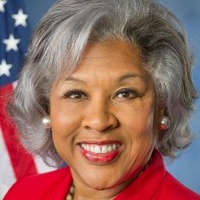
Joyce Beatty
Representative
OH-3
This resolution formally honors the life and enduring legacy of civil rights leader Reverend Jesse Louis Burns Jackson, Sr. It recognizes his significant contributions to the Civil Rights Movement, including his work with Dr. Martin Luther King, Jr. and his founding of Operation PUSH. The bill specifically urges the President to order that the U.S. flag be flown at half-staff in his memory.
House Resolution Proposes National Flag Lowering to Honor the Life of Rev. Jesse Jackson
This resolution formally recognizes the life and legacy of Reverend Jesse Louis Burns Jackson, Sr., detailing his journey from the Jim Crow-era South to the front lines of the American Civil Rights Movement. Beyond just a history lesson, the bill serves as an official request for the President to issue a proclamation lowering the U.S. flag to half-staff. It’s a move that transforms a personal biography into a matter of national ceremony, marking the passing of a figure who spent decades at the center of the country's political and social evolution.
From the Front Lines to the Ballot Box
The bill tracks Jackson’s career through several specific milestones that changed the landscape for American workers and voters. It highlights his early days as the youngest staffer for the Southern Christian Leadership Conference under Dr. Martin Luther King, Jr., and his leadership of Operation Breadbasket in Chicago, which focused on economic empowerment for Black communities. For anyone who has ever benefited from diversity initiatives or fair hiring practices, the bill points to Jackson’s work with the Rainbow PUSH Coalition as a foundational effort in challenging discriminatory corporate practices and opening doors in the private sector.
A Symbolic Gesture with Historical Weight
By urging the President to lower the flags to half-staff, the resolution places Jackson’s legacy in the same ceremonial space as other major national figures. It specifically cites his 1984 and 1988 presidential campaigns, noting that these runs were instrumental in breaking racial barriers and registering millions of new voters. For a modern audience, this isn't just about the past; it’s a recognition of how those campaigns paved the way for the diverse political representation we see today. The resolution acts as a formal bridge between the grassroots activism of the 1960s and the institutional politics of the present.