Legislation
This resolution expresses support for designating November 2025 as National Career Development Month to recognize the importance of career guidance for individuals and the national economy.
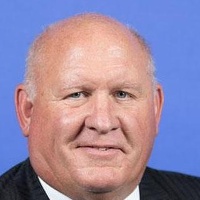
Glenn Thompson
Representative
PA
Glenn Thompson
Representative
PA
This resolution expresses support for designating November 2025 as "National Career Development Month." It recognizes the vital role of career development in individual success and economic competitiveness. The bill affirms the value of career professionals and encourages broad participation in career development activities across all stages of life.
The EXPERTS Act of 2025 aims to reform federal rulemaking by increasing transparency around submitted studies, establishing new disclosure requirements for conflicts of interest, streamlining agency review timelines, and creating an Office of the Public Advocate focused on social equity.

Pramila Jayapal
Representative
WA
Pramila Jayapal
Representative
WA
The EXPERTS Act of 2025 aims to enhance transparency and accountability in the federal rulemaking process. It introduces new disclosure requirements for studies submitted during public comment periods and mandates greater public awareness of agency actions. Furthermore, the bill establishes the Office of the Public Advocate to improve public involvement and explicitly requires agencies to consider social equity in their cost-benefit analyses. Finally, it streamlines the Office of Information and Regulatory Affairs (OIRA) review timeline and clarifies judicial review standards for agency interpretations.
The BARN Act reforms the H-2A temporary agricultural worker program by transferring administrative authority to the Secretary of Agriculture, establishing strict application deadlines, modifying wage and housing requirements, and imposing new restrictions on worker status and legal assistance.

Rick Allen
Representative
GA
Rick Allen
Representative
GA
The BARN Act significantly reforms the H-2A temporary agricultural worker program by transferring administrative authority from the Department of Labor to the Department of Agriculture. Key changes include establishing a 15-day automatic approval deadline for applications and offering employers the option to provide a housing allowance instead of physical housing under certain conditions. The bill also revises wage rate calculations, modifies authorized periods of status, and imposes new restrictions on workers with prior immigration violations.
This bill removes the requirement for union members to exhaust internal remedies before pursuing legal action against their union or its officers.
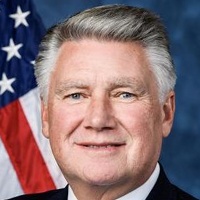
Mark Harris
Representative
NC
Mark Harris
Representative
NC
The Fair Access to Justice for Union Members Act removes the requirement for union members to complete internal hearing procedures before pursuing legal or administrative action against their union or its officers. This change aims to streamline the process for members seeking justice or resolution outside of the union's internal structure. The provision will take effect 18 months after enactment.
This bill establishes sanctions against foreign individuals responsible for human rights violations against LGBTQI people and mandates enhanced tracking and reporting of such abuses in annual human rights reports.

Sarah McBride
Representative
DE
Sarah McBride
Representative
DE
The Global Respect Act aims to promote and protect the human rights of LGBTQI individuals worldwide. It mandates the President to identify and report foreign persons responsible for human rights violations against LGBTQI people, leading to their inadmissibility to the United States. Furthermore, the Act requires enhanced tracking and reporting of violence and discrimination targeting individuals based on sexual orientation, gender identity, or sex characteristics in the annual human rights reports.
This resolution censures Representative Cory Mills for alleged misconduct, including conflicts of interest, financial misrepresentations, questionable military awards, and assault allegations, leading to his removal from the Armed Services and Foreign Affairs Committees.

Nancy Mace
Representative
SC
Nancy Mace
Representative
SC
This resolution formally censures Representative Cory Mills due to numerous allegations concerning conflicts of interest related to his business dealings, potential misrepresentations on financial disclosures and military awards, and reports of assault and threats. As a result of this conduct, the resolution mandates his immediate removal from the House Committee on Armed Services and the Committee on Foreign Affairs. The censure requires the Speaker to publicly read the resolution in the well of the House.
The First Responders’ Care Expansion Act of 2025, or FORCE Act, establishes an early Medicare enrollment option at age 57 for eligible first responders with at least ten years of service.
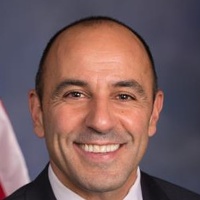
Jimmy Panetta
Representative
CA
Jimmy Panetta
Representative
CA
The First Responders’ Care Expansion Act of 2025, or FORCE Act, establishes an early enrollment option for Medicare coverage for eligible first responders starting at age 57, provided they have ten or more years of service. This allows qualified individuals to access standard Medicare benefits (Parts A, B, and D) years before the traditional age of 65. Premiums paid under this option will be deposited into a newly created Medicare First Responder Trust Fund. The Act also mandates revisions to Medigap standards to ensure guaranteed acceptance for these early enrollees.
This Act establishes a policy and framework for coordinating with allies to protect the global semiconductor supply chain from control by adversarial nations like the Chinese Communist Party.
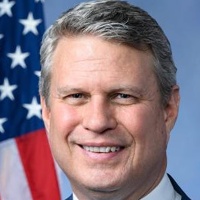
Bill Huizenga
Representative
MI
Bill Huizenga
Representative
MI
The Semiconductor Technology Resilience, Integrity, and Defense Enhancement Act (STRIDE Act) aims to protect U.S. technological leadership by coordinating with allies to secure the global semiconductor supply chain against adversarial control, particularly from the Chinese Communist Party. The bill mandates the State Department to align export controls and establish trusted supplier networks with key semiconductor partners. It also outlines consequences, including enhanced export restrictions, for nations that fail to prevent technology transfer to countries of concern.
This resolution expresses support for designating November 20 to December 20, 2025, as "National Survivors of Homicide Victims Awareness Month" to recognize survivors' needs and advocate for improved support and justice.

Ayanna Pressley
Representative
MA
Ayanna Pressley
Representative
MA
This resolution expresses support for designating November 20 to December 20, 2025, as "National Survivors of Homicide Victims Awareness Month." It recognizes the trauma experienced by survivors and affirms their need for dignified treatment and comprehensive support services. The bill also calls for improving behavioral health resources for survivors and increasing the national homicide clearance rate. Finally, it encourages the public to promote awareness, combat violence, and respond to grieving families with compassion.
This bill mandates that all relevant Department of Homeland Security components participate in the ODNI Intelligence Community Civilian Joint Duty Program through rotational assignments.
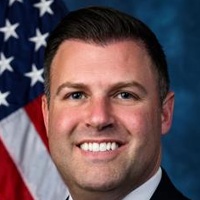
Ryan Mackenzie
Representative
PA
Ryan Mackenzie
Representative
PA
This Act establishes mandatory participation for all relevant Department of Homeland Security (DHS) components in the Office of the Director of National Intelligence (ODNI) Intelligence Community Civilian Joint Duty Program. This ensures DHS intelligence elements engage in rotational assignments within the broader intelligence community.
The PILLAR Act reauthorizes and modifies the CISA State and Local Cybersecurity Grant Program, expanding its scope to include operational technology and AI systems, and updating funding and oversight requirements through 2033.

Andrew Ogles
Representative
TN
Andrew Ogles
Representative
TN
The PILLAR Act reauthorizes and modifies the CISA State and Local Cybersecurity Grant Program through 2033. This legislation expands the program's focus to explicitly include operational technology and artificial intelligence systems in cybersecurity planning. It also updates definitions, adjusts federal cost-sharing requirements, and restricts grant use for technology from foreign entities of concern.
This bill establishes an interagency task force, co-chaired by CISA and the FBI, to combat cybersecurity threats to U.S. critical infrastructure from state-sponsored actors of the People's Republic of China, including Volt Typhoon.
Andrew Ogles
Representative
TN
Andrew Ogles
Representative
TN
This Act establishes an interagency task force, co-chaired by CISA and the FBI, to detect, analyze, and respond to cybersecurity threats against U.S. critical infrastructure from state-sponsored actors of the People's Republic of China, including Volt Typhoon. The task force is required to submit detailed reports, including classified assessments of potential disruption during a major crisis, to Congress. These reports will also offer recommendations for improving detection and mitigation efforts across federal agencies and critical infrastructure sectors.
This bill officially designates the Guam and Western Pacific USDA Rural Development office as the representative for USDA Rural Development across Guam, the Northern Mariana Islands, American Samoa, and several Pacific nations, granting it the same rights as a state office.
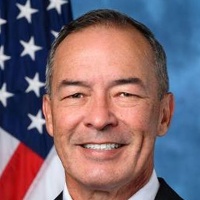
James (Jim) Moylan
Representative
GU
James (Jim) Moylan
Representative
GU
This Act officially designates the Guam USDA Rural Development office to serve as the primary representative for USDA Rural Development across Guam, the Northern Mariana Islands, American Samoa, and several Pacific nations. This designation grants the Guam office the same rights and responsibilities as a USDA Rural Development office in any U.S. state.
This act strengthens reporting requirements for the Department of State's guidelines concerning relations with Taiwan, mandating periodic reviews and updated submissions to Congress.
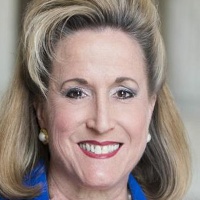
Ann Wagner
Representative
MO
Ann Wagner
Representative
MO
The Taiwan Assurance Implementation Act strengthens oversight of U.S. policy toward Taiwan by expanding reporting requirements for the Department of State. It mandates periodic five-year reviews and updates of guidance documents governing U.S. relations with Taiwan. Following each review, the Secretary of State must reissue the guidance and submit an updated report to Congress detailing how the revisions align with established policy goals.
This bill enhances Department of Homeland Security oversight of intelligence sharing, retention, and dissemination to better protect privacy, civil rights, and civil liberties.
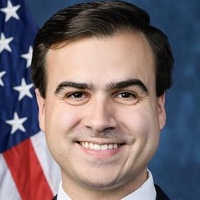
Pablo José Hernández Rivera
Representative
PR
Pablo José Hernández Rivera
Representative
PR
The Strengthening Oversight of DHS Intelligence Act enhances oversight of how the Department of Homeland Security (DHS) shares, retains, and disseminates intelligence information. This legislation specifically mandates that these intelligence activities must protect privacy rights, civil rights, and civil liberties. To ensure compliance, the bill requires coordination with the Under Secretary for Intelligence and Analysis and mandates specialized training for relevant personnel on these protections.
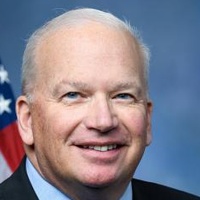
The NDO Fairness Act establishes specific, court-mandated procedures and time limits for when law enforcement can prevent electronic service providers from notifying customers that their data has been requested via warrant, order, or subpoena.
Scott Fitzgerald
Representative
WI
Scott Fitzgerald
Representative
WI
The NDO Fairness Act amends federal law to establish specific rules governing when law enforcement can obtain a court order preventing electronic service providers from notifying customers that their data has been requested. Courts must make specific written findings, based on articulable facts, that denying the order would seriously jeopardize an investigation, unless the offense involves child pornography. Once an order expires, the government must notify the affected customer within five business days and provide them with details about the request. The Attorney General is also required to submit an annual report detailing the use of these nondisclosure orders.
This resolution formally expresses the House's disapproval of Representative Chuy García's actions regarding the 2026 Democratic primary ballot filing.

Marie Gluesenkamp Perez
Representative
WA
Marie Gluesenkamp Perez
Representative
WA
This resolution formally expresses the House of Representatives' disapproval of Representative Chuy García's actions regarding the 2026 Democratic primary ballot. It condemns the Representative for directing his Chief of Staff to file for the primary after he himself had already filed, only to withdraw later. These actions are deemed to have undermined the integrity of a free and fair election process.
This Act establishes a consumer right to request appraisal reconsideration for home-secured credit and mandates a feasibility study for a public appraisal database.
Ayanna Pressley
Representative
MA
Ayanna Pressley
Representative
MA
The Appraisal Modernization Act grants consumers the right to request a reconsideration of value or a subsequent appraisal if they believe their home valuation is unsupported or deficient. It also mandates a feasibility study for creating a public database of appraisal data to enhance market transparency and consistency. This legislation aims to address unacceptable appraisal practices and improve the fairness of the home valuation process.
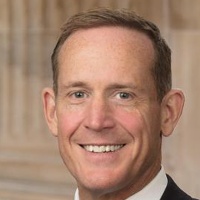
This Act establishes federal rules for the interstate transportation of knives, overriding conflicting state or local laws for legally permitted individuals.
Ted Budd
Senator
NC
Ted Budd
Senator
NC
The Interstate Transport Act of 2025 establishes federal rules governing the interstate transportation of knives, overriding conflicting state or local laws for individuals legally permitted to possess them. This legislation dictates specific storage requirements for knives when traveling by motor vehicle or other means, ensuring they are secured and inaccessible. Furthermore, the Act provides protections against arrest for lawful transport and mandates the expungement of records for those who successfully defend themselves under these provisions.
This bill mandates updated TSA guidance for the hygienic handling of breast milk and baby formula during airport security screening and requires an audit of compliance.

Tammy Duckworth
Senator
IL
Tammy Duckworth
Senator
IL
The Bottles and Breastfeeding Equipment Screening Enhancement Act requires the TSA to update its guidance for the hygienic handling of breast milk, baby formula, and certain other liquids during airport security screening. This updated guidance must be developed in consultation with maternal health organizations to minimize contamination risks during any necessary extra screening. Furthermore, the Inspector General will audit compliance with these new hygienic standards.