Legislation
This bill modernizes the appointment and removal processes for leadership at the Library of Congress and the Government Publishing Office, establishes the Copyright Office as an independent agency, and implements personnel reforms across these legislative branch entities.
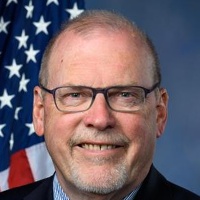
H. Griffith
Representative
VA
H. Griffith
Representative
VA
The Legislative Branch Agencies Clarification Act reforms the appointment, removal, and management processes for key legislative branch leadership, including the Librarian of Congress and the Director of the Government Publishing Office. The bill establishes new, merit-based selection procedures for these roles and formally separates the Copyright Office from the Library of Congress, granting it greater administrative independence and its own Inspector General. Additionally, the legislation updates personnel management systems and clarifies printing authorities for the Government Publishing Office.
This bill prohibits the SEC from requiring the collection of personally identifiable information from market participants for consolidated audit trail reporting purposes.
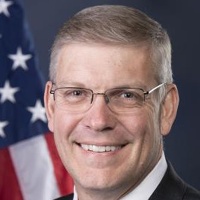
Barry Loudermilk
Representative
GA
Barry Loudermilk
Representative
GA
The Protecting Investors’ Personally Identifiable Information Act prohibits the SEC from requiring market participants to submit sensitive personal data as part of Consolidated Audit Trail (CAT) reporting requirements. This legislation aims to safeguard investor privacy by restricting the collection of information such as Social Security numbers, addresses, and biometric data within federal securities reporting systems.
The Earned Wage Access Consumer Protection Act establishes a federal regulatory framework to protect consumers using earned wage access services by mandating transparent disclosures, prohibiting predatory collection practices, and ensuring access to no-cost payment options.
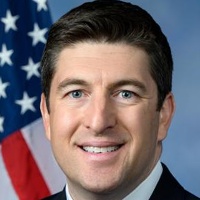
Bryan Steil
Representative
WI
Bryan Steil
Representative
WI
The Earned Wage Access Consumer Protection Act establishes a federal regulatory framework for services that allow employees to access their earned wages before their scheduled payday. The bill mandates clear disclosures regarding fees and tips, prohibits debt collection practices, and requires providers to offer a no-cost option for accessing wages. Additionally, it clarifies that compliant earned wage access services are not classified as loans or credit under federal law.
This legislation amends the Higher Education Act to expand support, accessibility resources, and data reporting requirements for students with disabilities at colleges and universities.
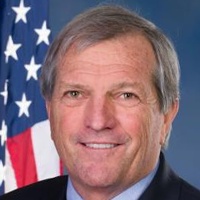
Mark DeSaulnier
Representative
CA
Mark DeSaulnier
Representative
CA
The Improving Access to Higher Education Act amends the Higher Education Act to enhance support and accessibility for students with disabilities. The bill mandates the establishment of campus accessibility offices, funds faculty training in universal design, and creates national centers to provide technical assistance and track student outcomes. Additionally, it reauthorizes inclusive programs for students with intellectual disabilities and introduces new data-reporting requirements to improve transparency regarding disability enrollment and completion rates.
The Clarity for Compensation Act amends the Securities Exchange Act of 1934 to allow registered representatives to receive compensation through personal services entities without those entities being classified as brokers.
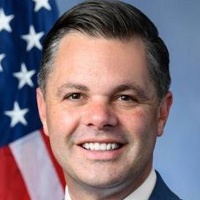
Zachary (Zach) Nunn
Representative
IA
Zachary (Zach) Nunn
Representative
IA
The Clarity for Compensation Act amends the Securities Exchange Act of 1934 to allow registered representatives to receive compensation through personal services entities without those entities being classified as brokers. This legislation establishes clear regulatory guardrails, including strict oversight, supervision, and liability requirements, to ensure these entities remain accountable for securities-related activities.
The STOP Payments Fraud Act of 2026 amends the Expedited Funds Availability Act to grant financial institutions greater authority to delay funds availability when there is a reasonable suspicion of check or wire transfer fraud.

Young Kim
Representative
CA
Young Kim
Representative
CA
The STOP Payments Fraud Act of 2026 amends the Expedited Funds Availability Act to provide financial institutions with greater authority to delay the availability of funds when there is a reasonable suspicion of fraud. The bill empowers the Federal Reserve and the CFPB to establish new regulatory frameworks for managing high-risk check deposits and suspicious wire transfers. Additionally, it mandates a comprehensive study by the Comptroller General to evaluate the effectiveness of these fraud protections and identify further opportunities for reform.
This resolution expresses support for designating September 2026 as "National Prostate Cancer Awareness Month" to promote screening, research, and public awareness.
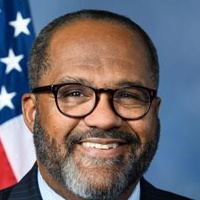
Troy Carter
Representative
LA
Troy Carter
Representative
LA
This resolution expresses support for designating September 2026 as "National Prostate Cancer Awareness Month." It highlights the critical importance of early screening and research in combating the disease, while encouraging public participation in awareness efforts to improve health outcomes for men across the United States.
This bill restricts the use of a specific parcel of trust land in San Diego County to the provision of health and social services for members of Indian Tribes for a period of 50 years.
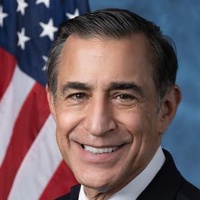
Darrell Issa
Representative
CA
Darrell Issa
Representative
CA
This bill designates approximately 8.6 acres of trust land in San Diego County, California, exclusively for the provision of health and social services to members of Indian Tribes. It prohibits the use of this land for gaming or other commercial activities for a period of 50 years.
The HEIRS Act of 2025 establishes HUD grant programs and counseling requirements to help heirs property owners clear titles, resolve estate issues, and secure homeownership.
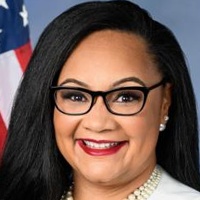
Nikema Williams
Representative
GA
Nikema Williams
Representative
GA
The HEIRS Act of 2025 establishes federal grant programs to help homeowners clear property titles and resolve complex estate issues associated with inherited land. By providing funding for legal assistance, title services, and housing counseling, the Act aims to help families secure their ownership rights and retain their homes. Additionally, the legislation integrates heirs property education into existing HUD-approved housing counseling services.
The Credit Access and Inclusion Act of 2026 permits utility, telecommunications, and residential rental providers to report consumer payment data to credit reporting agencies to help build credit history.
Young Kim
Representative
CA
Young Kim
Representative
CA
The Credit Access and Inclusion Act of 2026 allows utility, telecommunications, and residential rental providers to report consumer payment history to credit reporting agencies. This initiative aims to help individuals build credit scores by incorporating consistent, on-time payment data into their credit profiles. The bill also includes protections for consumers on active payment plans and mandates a GAO study to evaluate the impact of this reporting on credit outcomes.
The Whistleblower Protection Act of 2025 extends federal anti-retaliation protections to all employees working under Department of Housing and Urban Development contracts, grants, and subgrants.
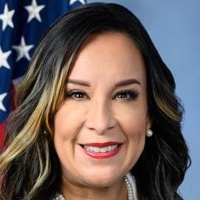
Mónica De La Cruz
Representative
TX
Mónica De La Cruz
Representative
TX
The Whistleblower Protection Act of 2025 extends critical anti-retaliation safeguards to employees working under Department of Housing and Urban Development (HUD) contracts and grants. This legislation ensures that individuals who report waste, fraud, or abuse involving HUD funds are protected from reprisal, regardless of when their contract was executed.
This bill amends the Fair Credit Reporting Act to require resellers to implement reasonable procedures to ensure the accuracy of consumer information before transmitting it to third parties.
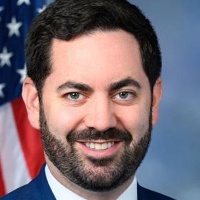
Michael Lawler
Representative
NY
Michael Lawler
Representative
NY
The Fair Credit Reporting Reseller Accuracy Act amends the Fair Credit Reporting Act to mandate that resellers implement reasonable procedures to ensure the maximum possible accuracy of consumer information before transmission. Additionally, the bill clarifies the scope of reseller liability when they accurately communicate data obtained from other consumer reporting agencies.
The COMPASS Act amends the Individuals with Disabilities Education Act to ensure students with special needs receive a formal certificate of completion upon finishing their secondary education program.
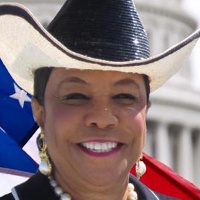
Frederica Wilson
Representative
FL
Frederica Wilson
Representative
FL
The COMPASS Act amends the Individuals with Disabilities Education Act (IDEA) to ensure students with special support needs receive a formal certificate of completion upon finishing their secondary education. This legislation mandates that a student's Individualized Education Program (IEP) include a projected graduation date and a guarantee of this certification, regardless of their eligibility for a standard diploma.
The Lake America Act mandates the official renaming of Lake Ontario to Lake America across all federal documents, maps, and records.
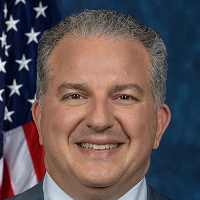
Jimmy Patronis
Representative
FL
Jimmy Patronis
Representative
FL
The Lake America Act mandates the official renaming of Lake Ontario to Lake America. This legislation requires all federal agencies to update their maps, documents, and records to reflect this new name within 180 days of enactment.
This bill amends the Family and Medical Leave Act to provide employees with up to 48 hours of job-protected leave annually to participate in school and community-based activities for their children and grandchildren.
Frederica Wilson
Representative
FL
Frederica Wilson
Representative
FL
The Family Leave for Parental Involvement in Education Act amends the Family and Medical Leave Act (FMLA) to provide employees with up to 48 hours of job-protected leave annually to participate in school or community-sponsored activities for their children and grandchildren. This new leave category allows for flexible scheduling and can be used for school conferences, extracurricular programs, and childcare-related events. The bill also extends these same parental involvement leave protections to federal employees.
The Healthy Recess for Learning Act encourages school districts to provide students with at least 60 minutes of daily physical activity to improve student health and academic performance.
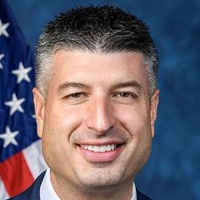
Tom Barrett
Representative
MI
Tom Barrett
Representative
MI
The Healthy Recess for Learning Act encourages school districts to provide students with at least 60 minutes of daily physical activity, including recess and physical education. By amending the Elementary and Secondary Education Act, the bill supports schools in integrating these healthy habits to improve student focus, behavior, and academic performance.
The High School Voter Empowerment Act of 2026 mandates that public high schools serve as voter registration agencies and conduct annual registration drives for eligible students.
Frederica Wilson
Representative
FL
Frederica Wilson
Representative
FL
The High School Voter Empowerment Act of 2026 designates all public high schools as official voter registration agencies. The bill requires these schools to conduct annual voter registration drives for eligible students and establishes a federal reimbursement program to cover the costs of these initiatives. Additionally, it authorizes states to provide voting equipment for student-led elections to encourage civic engagement.
This bill updates and reorganizes Title 51 of the United States Code to modernize NASA-related laws, improve technical accuracy, and streamline federal space policy and oversight.

Jasmine Crockett
Representative
TX
Jasmine Crockett
Representative
TX
This bill updates and reorganizes Title 51 of the United States Code to modernize laws governing NASA, space exploration, and related aeronautics programs. It improves the Code by correcting drafting errors, standardizing terminology, and updating outdated cross-references without altering the underlying meaning of existing law. Additionally, the legislation establishes new policies for NASA’s budget, information security, infrastructure management, and supply chain integrity.
This Act designates the specific location for the National Medal of Honor Monument within the Reserve in Washington, D.C.

Jim Justice
Senator
WV
Jim Justice
Senator
WV
The Hershel ‘Woody’ Williams National Medal of Honor Monument Location Act authorizes the placement of the National Medal of Honor Monument within the Reserve area in Washington, D.C. This legislation provides the necessary site-specific authorization to ensure the monument can be established in this prominent location.
The Kayleigh’s Law Act of 2026 mandates lifetime no-contact injunctions for defendants convicted of federal violent or sexual crimes to ensure the ongoing protection of victims.

Abraham Hamadeh
Representative
AZ
Abraham Hamadeh
Representative
AZ
The Kayleigh’s Law Act of 2026 mandates that federal courts issue lifetime no-contact orders for defendants convicted of specific violent or sexual offenses. These permanent protections ensure victims are shielded from further harassment without incurring any legal fees. The legislation provides a clear framework for these orders to remain in effect unless a conviction is overturned or specific legal conditions for termination are met.