Legislation
The Elijah E. Cummings Family Asthma Act aims to reduce the burden of asthma through enhanced CDC activities, including public education, state strategic planning, modernized surveillance, and required reports to Congress.

Debbie Dingell
Representative
MI
Debbie Dingell
Representative
MI
The Elijah E. Cummings Family Asthma Act aims to reduce the significant burden of asthma across the United States, which disproportionately affects vulnerable populations. The bill directs the Centers for Disease Control and Prevention (CDC) to enhance asthma surveillance, education, and the development of State strategic control plans. It authorizes funding to improve the quality and reach of asthma management, focusing on reducing attacks, hospitalizations, and health disparities.
This Act requires federally funded educational institutions to treat discrimination motivated by antisemitism the same way they treat racial discrimination, using a specified definition of antisemitism.
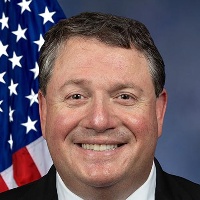
Randall Fine
Representative
FL
Randall Fine
Representative
FL
The No Antisemitism in Education Act requires that any educational institution receiving federal funds treat discrimination motivated by antisemitism exactly as it treats discrimination motivated by race. The bill adopts a specific definition of antisemitism, including various forms of hatred and demonization directed toward Jewish people or Israel. This requirement is conditioned on receiving federal funding and is constructed to protect First Amendment rights.
The Healthy MOM Act establishes special enrollment periods for pregnancy across various health plans, mandates maternity coverage for dependents, and ensures continuous 12-month Medicaid and CHIP coverage for pregnant and postpartum individuals.
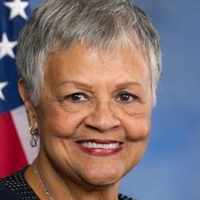
Bonnie Watson Coleman
Representative
NJ
Bonnie Watson Coleman
Representative
NJ
The Healthy Maternity and Obstetric Medicine Act, or Healthy MOM Act, aims to improve maternal and newborn health outcomes by ensuring comprehensive maternity coverage is accessible. It establishes special enrollment periods for pregnant individuals across various health plans and mandates that dependent coverage must include maternity care. Furthermore, the bill secures continuous 12-month postpartum coverage under Medicaid and CHIP and adjusts federal employee health benefit rules regarding pregnancy.
This Act provides immediate payment deferrals and interest rate reductions for distressed farmers while reforming loan processes, collateral rules, and appeals for greater fairness.
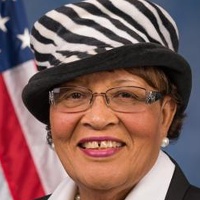
Alma Adams
Representative
NC
Alma Adams
Representative
NC
The Fair Credit for Farmers Act provides immediate financial relief to eligible farmers by deferring loan payments and setting interest rates to 0.125% for two years. It also institutes significant reforms to farm loan programs, improving transparency in adverse decision notifications and restricting the use of a principal residence as collateral. Finally, the bill reforms the National Appeals Division process by shifting the burden of proof to the agency in certain appeals involving lower-income farmers.
The Chip EQUIP Act prohibits the use of semiconductor manufacturing equipment from foreign entities of concern in federally funded projects for ten years, with specific exceptions.
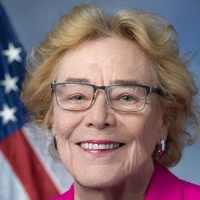
Zoe Lofgren
Representative
CA
Zoe Lofgren
Representative
CA
The Chip EQUIP Act aims to protect U.S. semiconductor investments by prohibiting the use of equipment manufactured or refurbished by foreign entities of concern in projects receiving federal financial assistance. This restriction applies to the procurement, installation, or use of such "ineligible semiconductor manufacturing equipment" for a period of ten years. The bill also outlines specific conditions under which the Secretary may grant a waiver to this prohibition.
This bill reforms Health Savings Account (HSA) rules by limiting deductible contributions based on income, imposing new substantiation requirements for distributions, restricting reimbursement timeframes, excluding certain expenses, and establishing an excise tax on excessive HSA fees.

Lloyd Doggett
Representative
TX
Lloyd Doggett
Representative
TX
This bill proposes several significant reforms to the rules governing Health Savings Accounts (HSAs), primarily affecting contributions, distributions, and administrative requirements. Key changes include imposing an income limitation on deductible HSA contributions starting in 2026 and tightening rules around substantiating medical expense reimbursements. The legislation also introduces an excise tax on HSA trustees for charging excessive fees and requires new reporting on account earnings.
This act prohibits registered sex offenders from entering into surrogacy arrangements with the intent to exercise parental rights, establishing criminal penalties for violations.
Anna Luna
Representative
FL
Anna Luna
Representative
FL
The No Surrogacy for Sex Offenders Act prohibits registered sex offenders from using interstate or foreign commerce to enter into surrogacy arrangements with the intent to exercise parental rights over the resulting child. The bill establishes criminal penalties, including up to 18 years in prison, for sex offenders who violate this prohibition. It also imposes penalties for committing a sex offense during the period between entering the arrangement and the child's birth.
This bill requires the FEMA Administrator to manage the Next Generation Warning System grant program and mandates research and development to improve emergency warning system accessibility and resiliency.
Timothy Kennedy
Representative
NY
Timothy Kennedy
Representative
NY
This bill mandates that the FEMA Administrator administer the Next Generation Warning System grant program. It requires the immediate disbursement of obligated 2022 funds and the initiation of grant awards for fiscal years 2023 and 2024. Additionally, the bill calls for research and development to improve the accessibility, resiliency, and security of emergency warning systems.
This Act expands access to lung cancer screening under Medicaid and Medicare without cost-sharing or prior authorization, broadens tobacco cessation coverage for all Medicaid individuals, and mandates public education and a demographic report on screening.
Kathy Castor
Representative
FL
Kathy Castor
Representative
FL
The Increasing Access to Lung Cancer Screening Act aims to expand access to crucial preventative care by mandating that Medicaid and Medicare cover annual lung cancer screenings without cost-sharing or prior authorization for eligible individuals. The bill also expands Medicaid coverage for tobacco cessation services to all beneficiaries and prohibits private health insurance plans from imposing prior authorization for recommended screenings. Finally, it authorizes funding for a national education campaign and requires a report on lung cancer screening demographics.
This bill officially recognizes November 30th as Yom Haplitim, or Jewish Refugee Day, to commemorate the approximately 900,000 Jewish people exiled from Arab nations.
Debbie Wasserman Schultz
Representative
FL
Debbie Wasserman Schultz
Representative
FL
This resolution officially recognizes November 30th as "Yom Haplitim" or "Jewish Refugee Day." It commemorates the approximately 900,000 Jewish people exiled from Arab nations following the establishment of Israel. The bill calls for education regarding this forced displacement and affirms support for the security of the Jewish people globally.
This bill reauthorizes and extends the funding authorization period for large-scale water recycling programs under the Infrastructure Investment and Jobs Act from five to ten years.
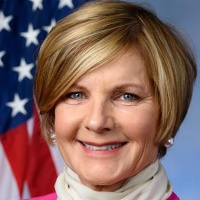
Susie Lee
Representative
NV
Susie Lee
Representative
NV
This bill, the Large-Scale Water Recycling Reauthorization Act, extends the authorization period for a key water recycling program established under the Infrastructure Investment and Jobs Act. Specifically, it doubles the program's authorization from five years to ten years. This action supports continued investment in large-scale water recycling infrastructure.
This Act exempts qualified nonprofit organizations from burdensome customs and tariff requirements when sending humanitarian care packages to deployed U.S. Armed Forces personnel overseas.
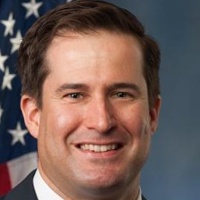
Seth Moulton
Representative
MA
Seth Moulton
Representative
MA
The Support Our Troops Shipping Relief Act of 2025 aims to simplify the process for qualified nonprofit organizations sending care packages to deployed U.S. service members overseas. This bill exempts these humanitarian shipments from burdensome commercial customs reporting requirements, such as item-by-item Harmonized System codes. By treating these packages as domestic mail for customs purposes, the Act seeks to reduce delays, lower costs, and ensure morale support reaches troops more efficiently.
This Act mandates the public release of all unclassified Department of Justice documents related to Jeffrey Epstein, Ghislaine Maxwell, and their associates within 30 days, with very limited exceptions for victim privacy or active investigations.
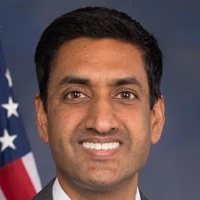
Ro Khanna
Representative
CA
Ro Khanna
Representative
CA
The Epstein Files Transparency Act mandates the Attorney General to publicly release all unclassified Department of Justice records related to Jeffrey Epstein and his associates within 30 days of the bill becoming law. This release must include materials concerning investigations, flight logs, settlements, and internal communications, with very limited exceptions for victim privacy or active investigations. The Act strictly prohibits withholding documents due to political sensitivity or reputational harm and requires detailed justification for any redactions made.
This bill establishes a State judicial threat intelligence and resource center to provide security training, monitor threats, and coordinate resources to protect state and local judges and court staff.

John Cornyn
Senator
TX
John Cornyn
Senator
TX
This bill establishes a State judicial threat intelligence and resource center to enhance the security of state and local judges and court staff. It directs the State Justice Institute to provide support for creating this center, which will offer training, conduct security assessments, and proactively monitor threats. The center will also develop a national database for sharing threat information across law enforcement agencies. Finally, the Institute must submit an annual report detailing the scope and seriousness of threats against the judiciary.
This Act directs the EPA to report on the feasibility and best practices for expanding reuse and refill systems across various sectors to promote sustainable economies.

Jeff Merkley
Senator
OR
Jeff Merkley
Senator
OR
The Research for Environmental Uses and Sustainable Economies Act of 2025 (REUSE Act of 2025) mandates the Environmental Protection Agency (EPA) Administrator to produce a comprehensive report on reuse and refill systems. This report must detail the feasibility and best practices for implementing these systems across various sectors, such as food service and consumer goods. The evaluation will cover system scalability, equitable distribution, job creation, economic impacts, and necessary support structures.
The TIER Act of 2025 mandates that the Transition Assistance Program consider a service member's childcare needs, household employment, duty station location, and tempo effects when designing transition pathways.
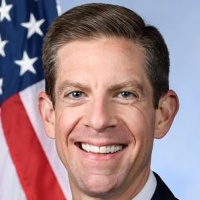
Mike Levin
Representative
CA
Mike Levin
Representative
CA
The Transition Improvement by Estimating Risk Act of 2025 (TIER Act) amends the Transition Assistance Program to require consideration of new factors when designing transition pathways. These new factors include the service member's child care needs, household employment status, duty station location, and the impact of operational tempo. This aims to create more realistic and supportive transition plans for service members.
This Act revises and expands the Patrick Leahy farm to school program to increase access to local foods for eligible institutions through enhanced grants, research, and targeted support for Tribal communities.
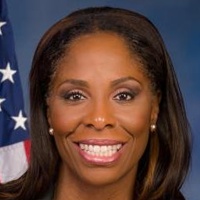
Stacey Plaskett
Representative
VI
Stacey Plaskett
Representative
VI
The Farm to School Act of 2025 revises and expands the Patrick Leahy farm to school program to increase access to local foods in eligible institutions, including land-grant colleges. The bill updates definitions, increases authorized funding to $10 million, and prioritizes grants for projects serving Tribal communities and those incorporating culturally appropriate education. It also mandates research and reporting to identify and eliminate regulatory barriers to local food procurement.
This bill repeals the requirement for Senate offices to be notified regarding legal processes seeking the disclosure of Senate data.
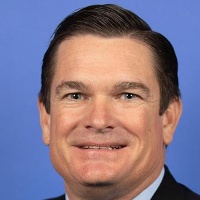
Austin Scott
Representative
GA
Austin Scott
Representative
GA
This bill repeals specific requirements for notifying Senate offices when legal processes seek the disclosure of Senate data. Essentially, it removes existing notification mandates related to legal requests for Senate information.
This resolution designates November 20, 2025, as National Rural Health Day to recognize the unique healthcare challenges faced by rural communities and to support policies improving rural health access and affordability.
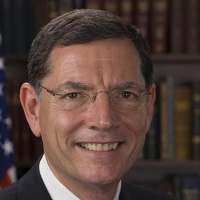
John Barrasso
Senator
WY
John Barrasso
Senator
WY
This resolution officially designates November 20, 2025, as "National Rural Health Day." It recognizes the unique healthcare challenges faced by rural communities, including provider shortages and hospital vulnerability. The Senate expresses support for rural health providers and commits to advancing policies that improve healthcare access and affordability in these areas.
This resolution officially designates October 16, 2025, and October 16, 2026, as "World Food Day" to highlight the ongoing global hunger crisis and reaffirm U.S. commitment to combating it.

Christopher Coons
Senator
DE
Christopher Coons
Senator
DE
This resolution officially designates October 16, 2025, and October 16, 2026, as "World Food Day." It acknowledges the severe global hunger and malnutrition crisis, recognizing the increasing number of people facing food insecurity worldwide. The bill encourages the American people to observe these days with appropriate activities to promote awareness and action against hunger. Finally, it reaffirms the U.S. commitment to global food security through humanitarian aid and agricultural innovation.