Legislation
This resolution establishes expedited consideration procedures in the House for several joint resolutions disapproving BLM rules, a concurrent resolution denouncing socialism, and bills concerning natural gas exports, refinery reports, D.C. policing reform, and D.C. mandatory detention/bail.
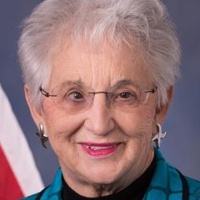
Virginia Foxx
Representative
NC
Virginia Foxx
Representative
NC
This resolution establishes expedited consideration procedures in the House for several measures, including joint resolutions to disapprove Bureau of Land Management rules on Alaskan energy development. It also sets the floor process for considering a concurrent resolution denouncing socialism and bills related to repealing natural gas export restrictions and D.C. policing laws. The resolution streamlines debate and voting for these specific legislative items by waiving certain procedural objections.
This bill mandates that VA disability and dependency compensation rates increase effective December 1, 2025, by the same percentage as the Social Security cost-of-living adjustment.
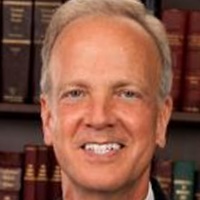
Jerry Moran
Senator
KS
Jerry Moran
Senator
KS
This bill, the Veterans’ Compensation Cost-of-Living Adjustment Act of 2025, mandates an increase in disability compensation and dependency and indemnity compensation rates for veterans. Effective December 1, 2025, these rates will be raised by the same percentage as the Social Security cost-of-living adjustment (COLA) for that year. The Secretary of Veterans Affairs is required to implement these increases and publish the adjusted rates.
This Act establishes the EPA's Office of Mountains, Deserts, and Plains to coordinate and prioritize the cleanup of contamination at legacy hardrock mine sites across federal, state, tribal, and private lands.
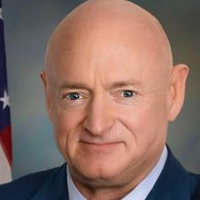
Mark Kelly
Senator
AZ
Mark Kelly
Senator
AZ
The Legacy Mine Cleanup Act of 2025 establishes the Office of Mountains, Deserts, and Plains within the EPA to coordinate cleanup efforts at abandoned hardrock mine sites across Federal, State, Tribal, and private lands. This Office will develop best practices, prioritize sites for action, and coordinate with various federal agencies and Tribal governments. A key focus includes developing a 10-year interagency plan for cleaning up abandoned uranium mines on the Navajo Nation. The Act emphasizes coordination and efficiency without granting the EPA new regulatory authority.
This bill reauthorizes and extends key Environmental Protection Agency programs designed to combat marine plastic waste through 2030.
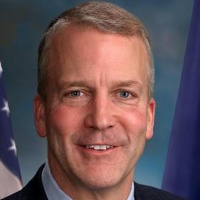
Dan Sullivan
Senator
AK
Dan Sullivan
Senator
AK
This bill reauthorizes and extends key Environmental Protection Agency (EPA) programs established under the Save Our Seas 2.0 Act to combat marine plastic pollution. Specifically, it extends the authorization for these critical infrastructure programs through the year 2030.
This joint resolution seeks to nullify the Bureau of Land Management's rule regarding the National Petroleum Reserve in Alaska Integrated Activity Plan Record of Decision.
Dan Sullivan
Senator
AK
Dan Sullivan
Senator
AK
This joint resolution seeks to disapprove the Bureau of Land Management's rule regarding the National Petroleum Reserve in Alaska Integrated Activity Plan Record of Decision. If enacted, this action would nullify the submitted rule, preventing it from taking effect.
This resolution officially recognizes November 2025 as National Family Caregivers Month to honor and advocate for the millions of Americans providing unpaid care to loved ones.

Susan Collins
Senator
ME
Susan Collins
Senator
ME
This resolution officially recognizes November 2025 as National Family Caregivers Month. It honors the millions of Americans who provide essential, unpaid care to loved ones facing illness or aging. The resolution also encourages public awareness and support for policies that assist these vital caregivers.
This resolution commemorates the centennial year of the American Speech-Language-Hearing Association (ASHA) and supports its mission to advance communication science, education, and professional practice.

Chris Van Hollen
Senator
MD
Chris Van Hollen
Senator
MD
This resolution commemorates the centennial year of the American Speech-Language-Hearing Association (ASHA). It expresses support for ASHA's mission to advance science, education, and professional practice for accessible communication care. The Senate recognizes the vital role ASHA members play in serving millions of Americans affected by communication disorders.
This resolution supports the goals of Creutzfeldt-Jakob Disease (CJD) Awareness Day to raise public awareness about this rare and fatal brain disorder.
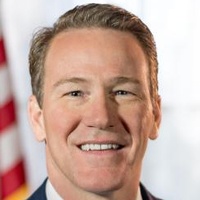
Jon Husted
Senator
OH
Jon Husted
Senator
OH
This resolution officially establishes November 12, 2025, as Creutzfeldt-Jakob Disease (CJD) Awareness Day to raise public understanding of this rare and fatal prion disease. It emphasizes the critical need for continued surveillance of prion diseases to monitor potential transmission, including from sources like Chronic Wasting Disease. The resolution also highlights how studying CJD can benefit research into Alzheimer's and related dementias.
This Act mandates the Department of Homeland Security to report on current and emerging threats, vulnerabilities, and countermeasures related to vehicular terrorism, including new technologies.
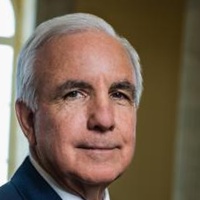
Carlos Gimenez
Representative
FL
Carlos Gimenez
Representative
FL
This Act mandates that the Department of Homeland Security (DHS) submit a comprehensive report detailing current and emerging threats from vehicular terrorism. The report must outline DHS strategies for prevention, vulnerability assessments of critical locations, and coordination efforts with law enforcement and private industry. Furthermore, it requires recommendations for new technologies to mitigate these threats while ensuring the protection of privacy and civil liberties.
This resolution recognizes National Native American Heritage Month and celebrates the rich cultures, history, and enduring contributions of Native Americans to the United States.

Lisa Murkowski
Senator
AK
Lisa Murkowski
Senator
AK
This resolution officially recognizes November as National Native American Heritage Month. It celebrates the rich cultures, histories, and significant contributions of Native Americans to the United States across various fields. The resolution also reaffirms the government's commitment to tribal self-governance and the government-to-government relationship with Indian Tribes.
This bill prohibits the Department of Health and Human Services from using appropriated funds to automatically enroll individuals into Medicare Advantage plans.
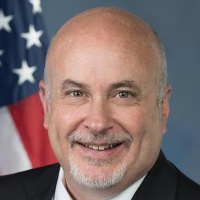
Mark Pocan
Representative
WI
Mark Pocan
Representative
WI
This bill prohibits the Department of Health and Human Services from using appropriated funds to automatically enroll individuals into Medicare Advantage (MA) plans. It ensures that enrollment in an MA plan only occurs when an individual actively makes that choice, rather than it being the default option.
This joint resolution expresses congressional disapproval of the Bureau of Land Management's rule regarding the Buffalo Field Office Record of Decision and Approved Resource Management Plan Amendment.
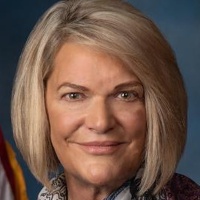
Cynthia Lummis
Senator
WY
Cynthia Lummis
Senator
WY
This joint resolution expresses Congress's disapproval of the Bureau of Land Management's (BLM) rule regarding the Buffalo Field Office Record of Decision and Approved Resource Management Plan Amendment. Through this action, Congress nullifies the submitted BLM rule, meaning it will have no legal effect.
The NEST Act establishes provisions for purchasing and distributing essential newborn supply kits to mothers and infants using reserved federal funds.

Julia Letlow
Representative
LA
Julia Letlow
Representative
LA
The Newborns Essentials Support Toolkit (NEST) Act establishes a program to purchase and distribute essential supply kits to mothers recovering from childbirth and their newborn infants. These kits will contain necessary supplies, educational materials on maternal health resources, and information on federal support programs. The legislation reserves federal funds from 2026 through 2030 to award grants to nonprofit entities for the nationwide distribution of these kits, prioritizing areas of greatest need.
This bill mandates the exclusion of individuals and entities who commit fraud from participation in any Federal health care program.
Mark Pocan
Representative
WI
Mark Pocan
Representative
WI
This bill amends the Social Security Act to mandate the exclusion of individuals and entities who commit fraud from participating in any Federal health care program. Specifically, it requires the Secretary to exclude those convicted of certain fraud-related offenses or determined to have engaged in prohibited fraudulent activities. This ensures that those who misuse federal health programs due to financial misconduct are barred from future participation.
This bill mandates that Medicare Advantage plans must automatically reconsider any decision that denies coverage without requiring an enrollee request.
Mark Pocan
Representative
WI
Mark Pocan
Representative
WI
This bill amends the Social Security Act to mandate that Medicare Advantage plans must automatically reconsider any determination that denies coverage. This process will occur without requiring the enrollee to submit a formal request for reconsideration. The automatic review begins immediately upon the plan's initial denial of coverage.
This bill mandates the Secretary of Health and Human Services to create a website allowing Medicare beneficiaries to search for providers participating in both Medicare Advantage (MA) plans and traditional Medicare.
Mark Pocan
Representative
WI
Mark Pocan
Representative
WI
This bill mandates the Secretary of Health and Human Services to create and maintain a public website for Medicare beneficiaries. This resource will allow users to easily search for healthcare providers and suppliers participating in either Medicare Advantage (MA) plans or traditional Medicare. The website must clearly identify which networks each provider belongs to.
This Act establishes the National Biopharmaceutical Center of Excellence to advance domestic biomanufacturing science, scale production, and strengthen the national supply chain and workforce.
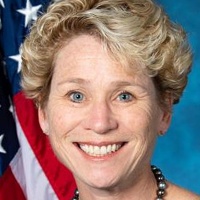
Chrissy Houlahan
Representative
PA
Chrissy Houlahan
Representative
PA
The Biomanufacturing Excellence Act of 2025 aims to bolster U.S. leadership in biotechnology by establishing a National Biopharmaceutical Center of Excellence. This Center will accelerate manufacturing innovation, strengthen domestic supply chains, and ensure adherence to quality standards. It will also facilitate crucial workforce training to support the growing biomanufacturing sector.
This bill limits the number of Medicare Advantage plans a single organization can offer under contract to three, unless those plans are significantly different from each other.
Mark Pocan
Representative
WI
Mark Pocan
Representative
WI
This bill amends the Social Security Act to impose new limitations on the number of Medicare Advantage (MA) plans an organization can offer under contract. Specifically, it restricts MA organizations from offering more than three MA plans unless those plans have significant differences in premiums, benefits, or cost-sharing. This measure aims to streamline the offerings available through Medicare Advantage.
This bill establishes requirements for Medicare Advantage plans regarding the rate at which they overturn initial denials of coverage made through prior authorization, with contract termination for excessive reversals.
Mark Pocan
Representative
WI
Mark Pocan
Representative
WI
This bill amends the Social Security Act to establish new requirements for Medicare Advantage plans regarding how often they can overturn initial denials of coverage following prior authorization requests. Specifically, it mandates contract termination for plans whose rate of reversed prior authorization denials exceeds 25% in a given year. This measure aims to curb excessive initial denials by Medicare Advantage organizations.
This joint resolution directs the President to remove U.S. Armed Forces from hostilities against certain designated groups and states unless Congress authorizes the use of force, while preserving the right to self-defense.
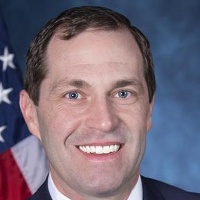
Jason Crow
Representative
CO
Jason Crow
Representative
CO
This joint resolution directs the President to remove U.S. Armed Forces from hostilities initiated after February 20, 2025, against designated terrorist groups or drug trafficking organizations without prior Congressional authorization. It asserts Congress's constitutional power to declare war and finds recent military strikes against vessels lacked proper justification. The bill allows for continued use of forces for self-defense or authorized counternarcotics support, but explicitly states drug trafficking alone does not constitute an armed attack.