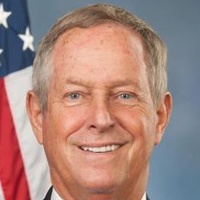
Legislative Activity
Track Joe's sponsored bills, co-sponsored legislation, and voting record
This bill expands Medicare coverage for diabetes self-management training by removing patient costs, broadening provider eligibility, and mandating a test of virtual training options.
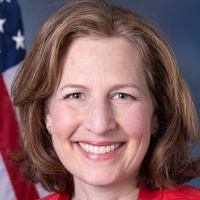
Kim Schrier
Representative
WA
Kim Schrier
Representative
WA
The Expanding Access to Diabetes Self-Management Training Act of 2025 aims to significantly improve Medicare coverage for diabetes self-management training by eliminating patient out-of-pocket costs and expanding the pool of qualified providers. The bill establishes a new structure for training hours, granting patients an initial block of 10 hours plus two additional hours annually. Furthermore, it mandates that the Secretary of HHS test models for covering virtual diabetes self-management training services to evaluate their impact on health outcomes and costs.
This resolution commemorates the victims of the 1989 Tiananmen Square massacre while condemning the Chinese Communist Party's ongoing suppression of human rights and freedoms in mainland China and Hong Kong.
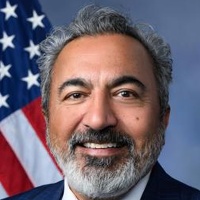
Ami Bera
Representative
CA
Ami Bera
Representative
CA
This resolution formally condemns the Chinese Communist Party for the 1989 Tiananmen Square massacre and its ongoing crackdown on human rights and freedoms in mainland China and Hong Kong. It demands that the PRC cease censorship regarding the massacre and uphold its commitments to Hong Kong's autonomy. Furthermore, the resolution expresses solidarity with victims and calls for accountability regarding abuses in Xinjiang and the suppression of democracy.
This resolution officially designates the Friday before Memorial Day as National Poppy Day to honor veterans and encourage the wearing of the poppy as a symbol of remembrance.

André Carson
Representative
IN
André Carson
Representative
IN
This resolution officially designates the Friday before Memorial Day as **National Poppy Day** to honor U.S. veterans. It recognizes the poppy as a long-standing symbol of remembrance for those who died in service, inspired by World War I. The bill encourages all citizens to wear a red poppy on this day to show appreciation for our fallen service members.
This bill mandates that WMATA must rename itself to "WMAGA" and its Metrorail system to the "Trump Train" as a condition for receiving federal funding.
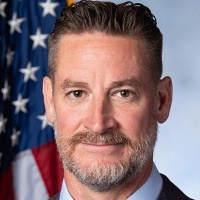
W. Steube
Representative
FL
W. Steube
Representative
FL
The Make Autorail Great Again Act mandates that the Washington Metropolitan Area Transit Authority (WMATA) must change its name to "WMAGA" and rename the Metrorail system to the "Trump Train." These name changes are a strict prerequisite for WMATA to receive any future federal funding. This action requires an official amendment to the founding Compact agreement.
This bill expresses Congressional disapproval of the Environmental Protection Agency's final rule setting National Emission Standards for Hazardous Air Pollutants for the rubber tire manufacturing industry.
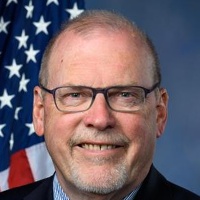
H. Griffith
Representative
VA
H. Griffith
Representative
VA
This bill expresses the disapproval of Congress, under the Congressional Review Act, of a specific rule issued by the Environmental Protection Agency (EPA). The rejected rule concerned the National Emission Standards for Hazardous Air Pollutants for the rubber tire manufacturing industry. As a result of this disapproval, the EPA's proposed standards will not take effect.
This resolution calls upon all Americans to observe Memorial Day 2025 by honoring the service members who died defending freedom and peace.
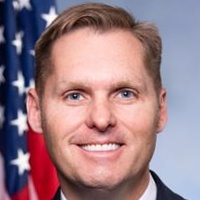
Michael Guest
Representative
MS
Michael Guest
Representative
MS
This resolution calls upon all Americans to observe Memorial Day, 2025, as a solemn occasion to honor the men and women of the Armed Forces who made the ultimate sacrifice in the pursuit of freedom and peace. Congress recognizes the profound debt owed to these patriots who have died defending American values globally. The bill encourages a national expression of respect, pride, and gratitude for their service and sacrifice.
This act holds parties financially accountable for damages the government incurs due to wrongfully obtained injunctions when insufficient security is posted.
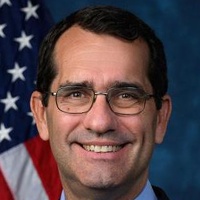
Derek Schmidt
Representative
KS
Derek Schmidt
Representative
KS
The Wrongful Injunction Accountability Act ensures that parties who obtain court orders stopping the government from acting are held financially responsible for resulting damages. If an injunction is later found to be wrongful, the party that sought the order must reimburse the United States for costs and losses. This liability applies especially when the required security bond was insufficient or waived entirely.
This act, also known as the COUNTER Act, updates the Department of Defense's authority and procedures for neutralizing drone threats to U.S. assets while ensuring related security information remains confidential.
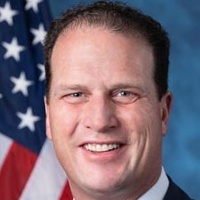
August Pfluger
Representative
TX
August Pfluger
Representative
TX
The COUNTER Act enhances the Department of Defense's authority to neutralize threats from unmanned aircraft systems targeting U.S. assets. This legislation delegates specific response powers and updates mitigation rules for drone threats. Crucially, it exempts sensitive information regarding these counter-drone technologies and procedures from public disclosure under the Freedom of Information Act. The bill also adjusts several deadlines and clarifies the applicability of certain federal laws when operating overseas to counter these threats.
This Act updates U.S. policy and sanctions to condemn the illegitimate Belarusian regime's human rights abuses, complicity in Russia's war against Ukraine, and subservience to Moscow, while increasing support for Belarusian democracy and civil society.
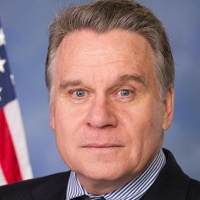
Christopher Smith
Representative
NJ
Christopher Smith
Representative
NJ
The Belarus Democracy, Human Rights, and Sovereignty Act of 2025 reaffirms U.S. policy condemning the illegitimate Lukashenka regime for widespread human rights abuses, fraudulent elections, and subservience to Russia. The bill updates sanctions to target complicity in supporting Russia's war and the abduction of Ukrainian children, while significantly increasing assistance for Belarusian democracy, civil society, and independent media. It also mandates new intelligence reporting on Belarus's role as a staging ground for Russian aggression.
This Act establishes U.S. policy to cease cooperation with China on organ transplantation, imposes sanctions on individuals involved in forced organ harvesting, and mandates a comprehensive report on China's transplant practices and the persecution of Falun Gong.
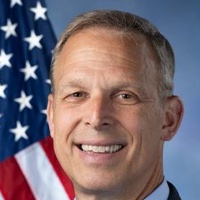
Scott Perry
Representative
PA
Scott Perry
Representative
PA
The Falun Gong Protection Act establishes a firm U.S. policy to cease cooperation with China on organ transplantation until the practice of state-sponsored organ harvesting ends. The bill mandates sanctions, including asset freezes and travel bans, against foreign individuals knowingly involved in forced organ harvesting in China. Furthermore, it requires a comprehensive report assessing China's transplant practices and directs the U.S. to coordinate international pressure against these abuses.
This Act updates U.S. policy and assistance to promote democracy, human rights, and sovereignty in Belarus while imposing sanctions on the regime for undermining democracy and supporting Russia's aggression against Ukraine.
Christopher Smith
Representative
NJ
Christopher Smith
Representative
NJ
The Belarus Democracy, Human Rights, and Sovereignty Act of 2025 updates existing U.S. policy to strongly condemn the Lukashenka regime for fraudulent elections, human rights abuses, and complicity in Russia's war against Ukraine. The bill mandates continued sanctions against officials involved in repression and supporting Russia, while significantly increasing U.S. assistance for Belarusian democracy, civil society, and sovereignty efforts. It also requires new intelligence reporting on Belarus's role in aiding Russia's aggression, including the transfer of Ukrainian children.
This Act establishes federal penalties for assaulting hospital personnel and creates a grant program to help medical facilities improve workforce safety.

Madeleine Dean
Representative
PA
Madeleine Dean
Representative
PA
The Save Healthcare Workers Act aims to protect hospital personnel by making assault against them a federal crime with severe penalties. It also establishes a new federal grant program to help hospitals implement crucial safety measures, such as violence prevention training and physical security upgrades. This legislation seeks to reduce workplace violence in healthcare settings across the nation.
The FACTS Act establishes grant programs, an interagency task force, and mandates data collection and planning to combat synthetic opioid misuse and overdose among secondary school students.
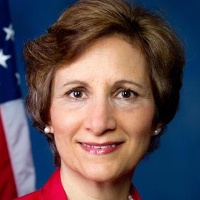
Suzanne Bonamici
Representative
OR
Suzanne Bonamici
Representative
OR
The FACTS Act establishes grant programs for schools to partner with health experts to combat synthetic opioid misuse among secondary students through prevention and recovery efforts. It also creates a federal Interagency Task Force to coordinate the national response and amends education laws to mandate specific opioid-related planning and staff training at the state and local levels. Finally, the bill enhances federal data collection on synthetic opioid presence and use in K-12 environments.
This resolution calls on North Korea to immediately release all abducted foreign nationals, return remains, and apologize for the decades-long practice of abducting Japanese citizens.
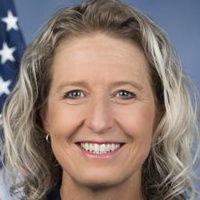
Jennifer Kiggans
Representative
VA
Jennifer Kiggans
Representative
VA
This resolution formally expresses the U.S. Congress's unwavering stance demanding that North Korea immediately resolve the long-standing issue of abducted Japanese citizens. It calls upon North Korea to return all foreign nationals, provide information on the deceased, offer restitution to the families, and issue a full apology. The bill emphasizes that these abductions are a grave violation of fundamental human rights and international law.
This bill temporarily exempts certain physician practices from Stark Law restrictions to allow them to dispense designated Medicare Part D prescription drugs directly to their patients while mandating a GAO study on in-office dispensing trends.

Diana Harshbarger
Representative
TN
Diana Harshbarger
Representative
TN
The Seniors’ Access to Critical Medications Act of 2025 temporarily modifies the physician self-referral prohibition (Stark Law) to allow physician practices to dispense certain Medicare Part D prescription drugs directly to their patients between 2026 and 2030. This exception is subject to specific conditions regarding prescribing, patient history, and dispensing location. The bill also mandates a GAO study to examine trends in physician office drug dispensing and makes a minor adjustment to the allocation for the Medicare Improvement Fund.
This Act mandates that group health plans and insurers must cover diagnostic and supplemental breast examinations without any out-of-pocket cost-sharing requirements for plan years beginning on or after January 1, 2026.

Debbie Dingell
Representative
MI
Debbie Dingell
Representative
MI
The Access to Breast Cancer Diagnosis Act of 2025 ensures that group health plans and insurers must cover diagnostic and supplemental breast examinations with no out-of-pocket costs for patients. This means no deductibles, copayments, or coinsurance will apply to these necessary exams. These provisions take effect for plan years beginning on or after January 1, 2026.
This Act repeals the federal ban on mailing concealable firearms and prohibits the U.S. Postal Service from creating rules that restrict the mailing of firearms or require the disclosure of customer records as a condition of mailing.
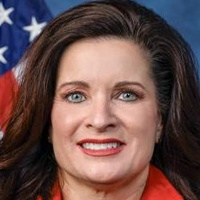
Sheri Biggs
Representative
SC
Sheri Biggs
Representative
SC
The Protecting the Mailing of Firearms Act repeals the federal ban on mailing certain concealable firearms. This legislation also prohibits the U.S. Postal Service from enacting rules that would block or unduly restrict the mailing of firearms, ammunition, or their components. Furthermore, the USPS cannot require sellers to disclose customer records or firearm serial numbers as a condition for mailing these items.
This bill prohibits landlords of federally assisted rental housing from banning tenants from lawfully possessing firearms within their private dwelling units.
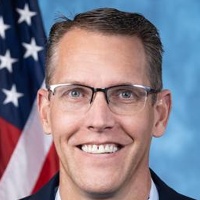
Randy Feenstra
Representative
IA
Randy Feenstra
Representative
IA
This bill, the PROTECT the Second Amendment Act, prevents landlords of federally assisted rental housing from banning tenants who lawfully possess firearms within their private dwelling units. It ensures residents in subsidized housing can legally keep their firearms inside their apartments. The legislation also permits the transportation of firearms through common areas only when moving directly to or from the unit.
This Act funds state systems to track real-time hospital bed capacity affecting emergency department wait times and mandates CMMI pilot programs to improve emergency care for older adults and those in psychiatric crisis.
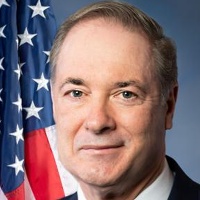
John Joyce
Representative
PA
John Joyce
Representative
PA
The ABC-ED Act of 2025 aims to alleviate emergency department boarding and crowding by modernizing public health data systems to track real-time hospital bed capacity. It also directs the Center for Medicare and Medicaid Innovation to pilot programs specifically improving emergency care for older adults and those in acute psychiatric crisis. Finally, the bill mandates a study on best practices for statewide, real-time capacity tracking systems and their impact on ER wait times.
The Safeguard American Voter Eligibility (SAVE) Act mandates that individuals registering to vote in federal elections must present documentary proof of U.S. citizenship.

Chip Roy
Representative
TX
Chip Roy
Representative
TX
The Safeguard American Voter Eligibility Act (SAVE Act) significantly amends federal law to require individuals registering to vote in federal elections to present documentary proof of U.S. citizenship. This legislation mandates that states actively clean their voter rolls and cooperate with federal agencies to verify citizenship status. It establishes new criminal penalties for officials who fail to enforce these documentation requirements.