Legislative Activity
Track Joe's sponsored bills, co-sponsored legislation, and voting record
This resolution expresses the House's opposition to the Chinese Communist Party's historical revisionism regarding World War II, commemorates the Republic of China's contributions, and acknowledges Japan's role in modern Indo-Pacific stability.
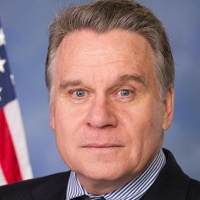
Christopher Smith
Representative
NJ
Christopher Smith
Representative
NJ
This resolution expresses the House of Representatives' opposition to the Chinese Communist Party's historical revisionism regarding the Allied victory in Asia during World War II. It formally recognizes the significant contributions of the Republic of China (ROC) and calls for accurate historical teaching that counters CCP propaganda. Furthermore, the bill acknowledges Japan's postwar contributions to peace and stability in the Indo-Pacific region.
This Act establishes sanctions against Pakistani officials undermining democracy and human rights, while urging the U.S. government to promote democratic institutions in Pakistan until September 30, 2030.
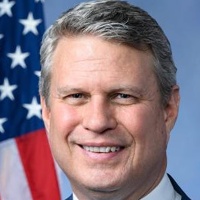
Bill Huizenga
Representative
MI
Bill Huizenga
Representative
MI
The Pakistan Freedom and Accountability Act expresses strong U.S. support for democracy and human rights in Pakistan, citing concerns over military influence and recent election interference. This legislation directs the President to identify and impose sanctions on Pakistani officials responsible for undermining democratic processes or committing serious human rights abuses. The Act emphasizes the need for civilian control over the military and sets an expiration date for its provisions in September 2030.
This resolution formally condemns the assassination of Charlie Kirk and reaffirms the right to peaceful assembly against political violence.
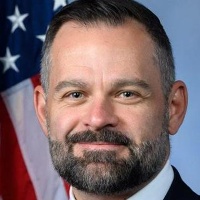
Cory Mills
Representative
FL
Cory Mills
Representative
FL
This resolution formally condemns the horrific political assassination of conservative spokesman Charlie Kirk on September 10, 2025, in Orem, Utah. It expresses deep condolences to his family and recognizes the bravery of the first responders at the scene. Ultimately, the measure reaffirms the fundamental American right to peaceful assembly and stands firmly against political violence.
The PART Act establishes new federal requirements for marking catalytic converters, creates a grant program for VIN stamping, tightens record-keeping for used parts dealers, and increases criminal penalties for theft and trafficking of catalytic converters.
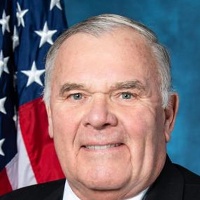
James Baird
Representative
IN
James Baird
Representative
IN
The PART Act aims to combat catalytic converter theft by requiring new vehicles to have traceable identifying markers on these parts. It establishes a federal grant program to help entities stamp identifying numbers onto existing converters. Furthermore, the bill imposes strict record-keeping requirements on businesses that buy used converters and creates new federal criminal penalties for stealing or trafficking stolen catalytic converters.
This resolution commemorates the indispensable service of the Marquis de Lafayette to the United States during the Revolutionary War and recognizes the bicentennial of his farewell tour.

Robert Wittman
Representative
VA
Robert Wittman
Representative
VA
This resolution formally commemorates the invaluable service of the Marquis de Lafayette to the United States during the Revolutionary War and recognizes the bicentennial of his farewell tour. It celebrates his military bravery, crucial diplomatic efforts that secured French support, and lifelong commitment to liberty. The bill serves as a formal expression of national gratitude for his foundational role in securing American independence.
This Act enables states to establish specialized Medicaid health homes for individuals with sickle cell disease, mandating dental and vision coverage for enrollees.
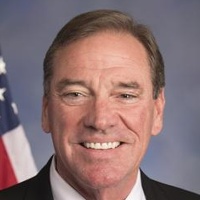
Neal Dunn
Representative
FL
Neal Dunn
Representative
FL
The Sickle Cell Disease Comprehensive Care Act enables states to establish specialized Medicaid health homes focused exclusively on individuals with sickle cell disease starting in 2026. If a state adopts this program, it must provide mandatory dental and vision coverage to enrolled patients, regardless of standard state Medicaid policies. States implementing these health homes will also be required to report on patient outcomes, access to care, and expenditures.
This act updates the population threshold defining an "urban area" to maintain eligibility for Rural Health Clinics under the Medicare program, effective January 1, 2027.
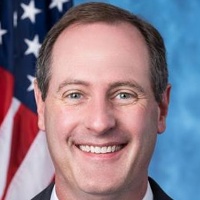
Tracey Mann
Representative
KS
Tracey Mann
Representative
KS
The Rural Health Clinic Location Modernization Act of 2025 updates the criteria for clinics to qualify as Rural Health Clinics (RHCs) under Medicare. This legislation revises the definition of an "urban area," setting a new population threshold of 50,000 people to determine eligibility. These changes to the location standards will take effect starting January 1, 2027.
The FEMA Act of 2025 establishes FEMA as an independent, cabinet-level agency and enacts sweeping reforms across public assistance, individual aid, and mitigation programs to speed up recovery and increase transparency.
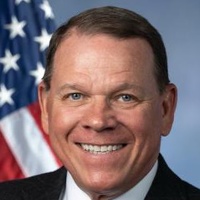
Sam Graves
Representative
MO
Sam Graves
Representative
MO
The FEMA Act of 2025 establishes the Federal Emergency Management Agency (FEMA) as an independent, cabinet-level agency to lead a unified, all-hazards approach to national emergency management. The bill enacts sweeping reforms across Public Assistance, Individual Assistance, and Mitigation programs to accelerate recovery, streamline funding, and reduce bureaucratic hurdles for disaster survivors and communities. Furthermore, it mandates significant new transparency measures, including public data reporting and GAO oversight, to ensure accountability for federal disaster spending.
This Act increases federal penalties for union-related interference with commerce through threats or violence, while reserving prosecution for minor, non-coordinated incidents to state and local authorities.
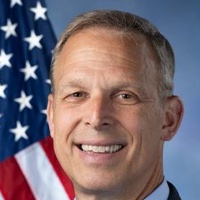
Scott Perry
Representative
PA
Scott Perry
Representative
PA
The Freedom From Union Violence Act of 2025 amends federal law regarding interference with commerce through threats or violence, increasing penalties for robbery and extortion. It creates an exemption from federal prosecution for minor acts of violence or property damage during a labor dispute, reserving those cases for state and local authorities. This Act does not alter existing federal labor laws.
This joint resolution formally establishes a National Day of Remembrance to honor the thirteen U.S. service members killed in the August 26, 2021, Abbey Gate bombing during the Afghanistan withdrawal.

Max Miller
Representative
OH
Max Miller
Representative
OH
This joint resolution formally honors the thirteen U.S. service members who were killed in the August 26, 2021, bombing at Abbey Gate during the withdrawal from Afghanistan. It recognizes their ultimate sacrifice in service to the nation and expresses deep gratitude to their Gold Star Families. The bill essentially establishes a National Day of Remembrance to ensure their faithful service in the fight for liberty is never forgotten.
This Act mandates a comprehensive review by the NCI and a separate study by the DoD to improve prevention, early detection, and awareness of stomach cancer, particularly among high-risk populations and military personnel.
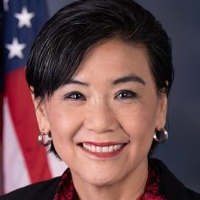
Judy Chu
Representative
CA
Judy Chu
Representative
CA
The Stomach Cancer Prevention and Early Detection Act mandates a comprehensive review by the National Cancer Institute (NCI) to assess the current state of stomach cancer incidence, risk factors, and screening effectiveness in the U.S. It also requires the Department of Defense to study stomach cancer rates and potential service-related risk factors among military personnel and veterans. The ultimate goal is to develop better public health strategies, improve provider education, and establish clearer guidelines for prevention and early detection.
This bill establishes an annual U.S.-Belarus Strategic Dialogue to coordinate efforts for restoring democratic rule, supporting the democratic movement, and holding the current regime accountable.
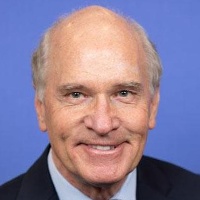
William Keating
Representative
MA
William Keating
Representative
MA
This bill establishes an annual U.S.-Belarus Strategic Dialogue to coordinate efforts aimed at restoring democratic rule in Belarus. The dialogue will focus on supporting free elections, aiding the democratic movement, and ensuring accountability for the current regime's abuses. It also mandates discussions on releasing political prisoners and addressing regional security concerns stemming from the situation in Belarus and Russia.
This Act establishes a new reciprocal temporary work visa category for South Korean nationals in specialty occupations, subject to an annual cap of 15,000 principal applicants.
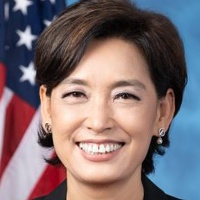
Young Kim
Representative
CA
Young Kim
Representative
CA
The Partner with Korea Act establishes a new reciprocal temporary work visa category specifically for South Korean nationals seeking employment in specialty occupations within the United States. This program is subject to an annual cap of 15,000 principal applicants. The legislation updates immigration procedures to incorporate this dedicated visa stream, contingent upon employer attestations approved by the Secretary of Labor.
This bill establishes a new system for distributing up to 2,000 additional Medicare-funded residency positions annually from 2026 through 2032, prioritizing hospitals serving underserved areas, and mandates a study on strategies to increase workforce diversity.
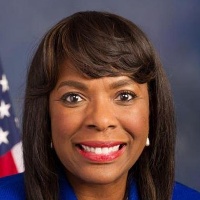
Terri Sewell
Representative
AL
Terri Sewell
Representative
AL
The Resident Physician Shortage Reduction Act of 2025 establishes a structured process for distributing up to 2,000 additional, federally funded residency positions annually between fiscal years 2026 and 2032. This distribution prioritizes hospitals serving in underserved areas, those already training above their limit, and those committed to primary care and general surgery training. The bill also mandates a study and report by the Comptroller General on effective strategies to increase diversity within the health professional workforce.
This Act increases penalties for health plans and insurers that violate surprise billing rules, imposes severe financial penalties for late payments after dispute resolution, and mandates more frequent and detailed transparency reporting on enforcement actions.
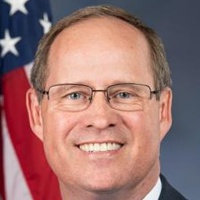
Gregory Murphy
Representative
NC
Gregory Murphy
Representative
NC
The No Surprises Act Enforcement Act significantly increases financial penalties for group health plans and insurance issuers that violate balance billing protections. It establishes steep fines, including up to $\$10,000$ per affected individual for serious non-compliance. Furthermore, the bill imposes severe penalties, including triple the disputed amount plus interest, for failing to make required payments promptly after an Independent Dispute Resolution (IDR) determination. Finally, it mandates more frequent and detailed transparency reporting on enforcement actions and violations.
The BRIDGE Africa Act directs the U.S. government to develop a strategy and host a summit to boost investment and partnership in Africa's technology and entrepreneurship sectors.
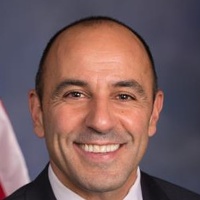
Jimmy Panetta
Representative
CA
Jimmy Panetta
Representative
CA
The BRIDGE Africa Act aims to bolster U.S. support for entrepreneurship and technological growth across Africa, particularly in advanced technology and AI. It mandates the development of a comprehensive U.S. strategy to boost private and public investment in key African tech sectors within one year. Furthermore, the Act calls for hosting a high-level summit in Africa to coordinate this strategy with international partners and allies. This initiative seeks to strengthen U.S. partnerships, enhance regional security, and promote shared economic development.
This bill amends the Family and Medical Leave Act to explicitly qualify time taken for an employee's own organ donation surgery as a serious health condition.
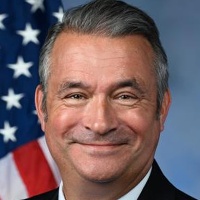
Don Bacon
Representative
NE
Don Bacon
Representative
NE
This bill amends the Family and Medical Leave Act (FMLA) to explicitly clarify that time taken off for an employee's own organ donation surgery qualifies as a serious health condition. This ensures both private and federal sector workers receive FMLA protection for recovery from organ donation. The legislation also specifies how federal employees must substitute existing paid leave when taking FMLA time for this purpose.
This Act prohibits insurance companies from discriminating against living organ donors when issuing life, disability, or long-term care policies and mandates the updating of educational materials regarding donation risks and insurance implications.
Don Bacon
Representative
NE
Don Bacon
Representative
NE
The Living Donor Protection Act of 2025 prohibits life, disability, and long-term care insurance companies from denying coverage or increasing premiums solely because an individual is a living organ donor. This legislation ensures that living donors are not financially penalized for their altruistic act. Additionally, the bill requires the Secretary of HHS to update educational materials to accurately reflect the insurance protections afforded to living donors.
This bill expedites security assistance to Middle Eastern and North African partners who normalize relations with Israel and cooperate against Iranian threats, while safeguarding Israel's qualitative military edge.
Michael Lawler
Representative
NY
Michael Lawler
Representative
NY
The Abraham Accords Defense Against Terror Act expedites security assistance and defense sales to Middle Eastern and North African countries that have normalized relations with Israel and cooperate against Iranian threats. This process requires a shortened 15-day congressional notification period from the President for approved transfers. Furthermore, the State Department must submit regular, public reports detailing the security strategy, threat assessments, and progress in countering Iranian proxies. Crucially, the Act ensures that these provisions do not undermine Israel's qualitative military edge.
The Frederick Douglass Trafficking Victims Prevention and Protection Reauthorization Act of 2025 enhances efforts to combat human trafficking both domestically and internationally through prevention, survivor support, and strategic use of foreign assistance.
Christopher Smith
Representative
NJ
Christopher Smith
Representative
NJ
The Frederick Douglass Trafficking Victims Prevention and Protection Reauthorization Act of 2025 enhances efforts to combat human trafficking both within the United States and internationally. The act focuses on prevention education, survivor support, and international cooperation, while increasing funding authorizations for key anti-trafficking programs. It prioritizes resources for areas with high trafficking rates, improves data collection, and ensures that foreign assistance aligns with counter-trafficking goals. This legislation aims to protect vulnerable populations, empower survivors, and hold perpetrators accountable.