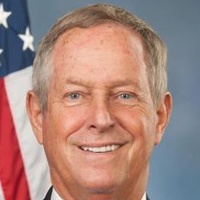
Legislative Activity
Track Joe's sponsored bills, co-sponsored legislation, and voting record
This legislation imposes comprehensive economic, financial, and energy sanctions on the Russian Federation while extending the Iran Sanctions Act of 1996 through 2031.
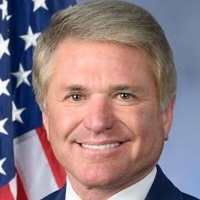
Michael McCaul
Representative
TX
Michael McCaul
Representative
TX
The Lindsey O. Graham Sanctioning Russia and Iran Act of 2026 imposes sweeping economic, financial, and energy sanctions on the Russian Federation to counter its war efforts and support for global instability. Additionally, the bill extends the Iran Sanctions Act of 1996 through 2031 to maintain continued pressure on the Iranian regime. Together, these measures aim to isolate adversarial actors through targeted financial restrictions, trade barriers, and enhanced oversight.
This act provides tax relief to disaster victims by allowing deductions for qualified disaster-related casualty losses for non-itemizers and excluding certain wildfire relief payments from gross income.
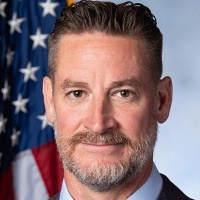
W. Steube
Representative
FL
W. Steube
Representative
FL
The Doug LaMalfa Federal Disaster Tax Relief Certainty Act provides tax relief to individuals affected by federally declared disasters occurring between 2019 and 2027. The bill allows taxpayers to deduct qualified disaster-related casualty losses even if they do not itemize and excludes certain wildfire relief payments from gross income. These measures aim to reduce the financial burden on disaster victims by simplifying the deduction process and preventing the taxation of recovery compensation.
The Afghanistan TPS Act of 2026 designates Afghanistan for Temporary Protected Status through July 1, 2029, establishing expedited application procedures and fee waivers for eligible Afghan nationals.
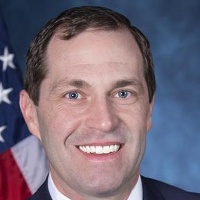
Jason Crow
Representative
CO
Jason Crow
Representative
CO
The Afghanistan TPS Act of 2026 designates Afghanistan for Temporary Protected Status (TPS) through July 1, 2029, allowing eligible Afghan nationals currently in the United States to live and work legally. The bill mandates an expedited 90-day adjudication process for applications and provides for fee waivers for those who qualify under this designation.
This bill prohibits all United States contributions to the United Nations Relief and Works Agency (UNRWA) while establishing strict vetting requirements for alternative humanitarian aid providers.
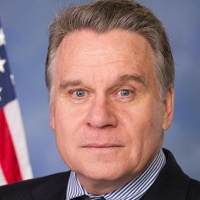
Christopher Smith
Representative
NJ
Christopher Smith
Representative
NJ
The Stop Support for UNRWA Act of 2026 prohibits the United States from providing any voluntary or assessed contributions to the United Nations Relief and Works Agency (UNRWA). While it bars direct funding to the agency, the bill allows for humanitarian aid to be delivered through alternative organizations, provided they are certified to be free of ties to terrorism, violence, or antisemitism.
This bill reauthorizes the Accelerating Access to Critical Therapies for ALS Act through 2031 while enhancing grant oversight, safety reporting requirements, and FDA strategic planning for rare neurodegenerative diseases.

Mike Quigley
Representative
IL
Mike Quigley
Representative
IL
The Accelerating Access to Critical Therapies for ALS Reauthorization Act of 2026 extends vital funding for ALS research and clinical trial programs through 2031. This legislation strengthens oversight by enhancing grant review processes, improving safety reporting requirements, and mandating a comprehensive five-year FDA action plan to accelerate the development of treatments for rare neurodegenerative diseases.
This bill clarifies that a franchisor is only considered a joint employer of a franchisee's workers if it exercises substantial, direct, and immediate control over essential terms of employment.
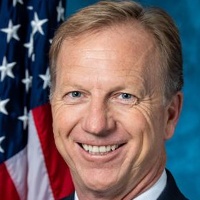
Kevin Hern
Representative
OK
Kevin Hern
Representative
OK
The American Franchise Act aims to protect the traditional franchise business model by clarifying the definition of a "joint employer." This legislation establishes that a franchisor is only considered a joint employer if it exercises "substantial direct and immediate control" over the essential terms of employment for a franchisee's workers. This change specifically targets liability risks associated with maintaining brand standards, ensuring franchisors are not automatically held responsible for local labor practices. The new standard applies prospectively to future legal proceedings.
Tyler's Law mandates a study and subsequent guidance on the routine testing for fentanyl in hospital emergency departments during overdose treatment.
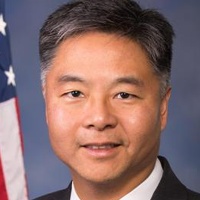
Ted Lieu
Representative
CA
Ted Lieu
Representative
CA
Tyler's Law mandates a comprehensive study by the Secretary of Health and Human Services on the frequency, cost, and impact of fentanyl testing in hospital emergency departments during overdose cases. Following the study, the Secretary must issue guidance on whether routine fentanyl testing should become standard practice for overdose patients. This guidance will also address staff training regarding existing drug test panels and the long-term health implications of such testing.
This bill prohibits the Department of Labor from finalizing, implementing, or enforcing the proposed rule regarding heat injury and illness prevention in outdoor and indoor work settings.
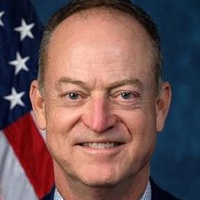
Mark Messmer
Representative
IN
Mark Messmer
Representative
IN
This act, the Heat Workforce Standards Act of 2025, prohibits the Secretary of Labor from finalizing, implementing, or enforcing the proposed rule regarding heat injury and illness prevention published in August 2024. This restriction extends to any future standard substantially similar to the one proposed.
The EARLY Act Reauthorization of 2025 extends breast health education for young women and modernizes the National Breast and Cervical Cancer Early Detection Program to improve screening access, equity, and funding through 2030.
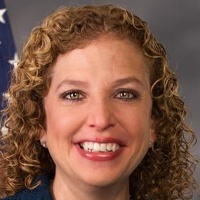
Debbie Wasserman Schultz
Representative
FL
Debbie Wasserman Schultz
Representative
FL
The EARLY Act Reauthorization of 2025 extends critical breast health education initiatives through 2031 and bolsters the National Breast and Cervical Cancer Early Detection Program. By streamlining grant requirements and increasing funding through 2030, this legislation aims to reduce health disparities, improve access to life-saving screenings, and enhance patient support services. Additionally, it mandates a GAO study to identify and address barriers to equitable cancer care.
The AADAPT Act expands grant eligibility and funding to integrate dementia care services into health centers through 2031.
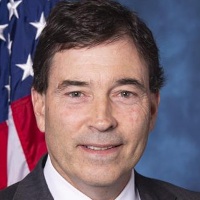
Troy Balderson
Representative
OH
Troy Balderson
Representative
OH
The AADAPT Act expands access to specialized dementia care by authorizing grants for public and nonprofit health centers to integrate these services into their programs. Additionally, the bill extends federal funding authorization through 2031 to ensure the continued growth and sustainability of these critical health outcomes.
This bill amends the federal charter of the Daughters of the American Revolution to restrict membership eligibility to individuals who meet the organization's genealogical requirements and are defined as adult human females.

Ben Cline
Representative
VA
Ben Cline
Representative
VA
The Daughters of the American Revolution Membership Integrity Act amends the organization’s federal charter to formally define membership eligibility. The bill restricts membership to adult human females, establishing a biological definition for the term "female" based on reproductive system development.
This bill mandates electronic prior authorization, increases transparency through required data reporting, and establishes faster decision timelines for Medicare Advantage plans to improve timely access to care for seniors.
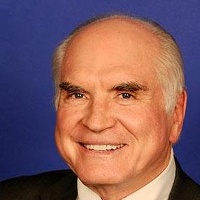
Mike Kelly
Representative
PA
Mike Kelly
Representative
PA
The Improving Seniors’ Timely Access to Care Act of 2025 aims to streamline and modernize the prior authorization process within Medicare Advantage plans. This bill mandates the adoption of electronic prior authorization systems and significantly increases transparency regarding approval rates and decision times starting in 2027. Furthermore, it establishes new enrollee protections and grants the Secretary authority to enforce faster decision timeframes for medical services.
This Act prohibits payment card networks and processors from assigning specific merchant category codes to identify firearms retailers, protecting the privacy of firearm and ammunition purchases.
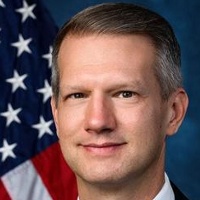
Riley Moore
Representative
WV
Riley Moore
Representative
WV
The Protecting Privacy in Purchases Act prohibits payment card networks and processors from assigning specific merchant category codes to firearms retailers. This legislation aims to protect consumer privacy by preventing the tracking of firearm and ammunition purchases through specialized financial classification. The Attorney General is tasked with enforcing these provisions and reporting annually on compliance.
This bill mandates the development and implementation of a comprehensive strategy to dismantle UNRWA and transition its humanitarian responsibilities to alternative, accountable organizations.
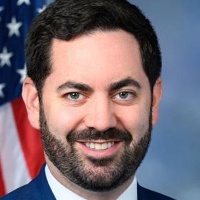
Michael Lawler
Representative
NY
Michael Lawler
Representative
NY
The "Replace UNRWA with Real Humanitarian Assistance Act" mandates that the Secretary of State develop and implement a comprehensive strategy to dismantle the United Nations Relief and Works Agency (UNRWA). The bill requires a structured transition plan to transfer UNRWA’s humanitarian services to alternative entities, ensuring continued aid while prioritizing transparency, accountability, and neutrality.
The Securing Agriculture's Workforce Act of 2026 modernizes the H-2A visa program by streamlining the application process through a centralized online platform, updating labor and housing requirements, and expanding the definition of eligible agricultural work.
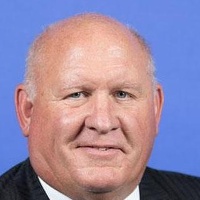
Glenn Thompson
Representative
PA
Glenn Thompson
Representative
PA
The Securing Agriculture's Workforce Act of 2026 modernizes the H-2A visa program to better support the agricultural industry by streamlining application processes and establishing a centralized online portal for employers. The bill updates labor certification, housing, and wage requirements while expanding the definition of eligible agricultural work to include a broader range of activities. Additionally, it enhances worker protections—including new heat illness prevention standards—and provides greater administrative efficiency for federal agencies managing the program.
The No Antisemitism in Education Act of 2026 mandates that educational institutions receiving federal funding treat antisemitism with the same enforcement rigor as other forms of discrimination prohibited under Title VI of the Civil Rights Act.
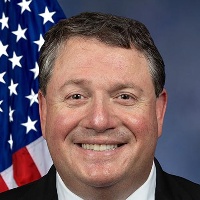
Randall Fine
Representative
FL
Randall Fine
Representative
FL
The No Antisemitism in Education Act of 2026 mandates that educational institutions receiving federal funding treat antisemitic discrimination with the same rigor as other forms of discrimination prohibited under Title VI of the Civil Rights Act of 1964. The bill requires institutions to utilize a formal definition of antisemitism when investigating and addressing discriminatory acts. It aims to ensure accountability for systemic failures to protect Jewish students while upholding First Amendment rights and existing state laws.
This bill authorizes a single Congressional Gold Medal to honor the individuals who defended Bataan, Corregidor, and other Pacific locations during World War II.
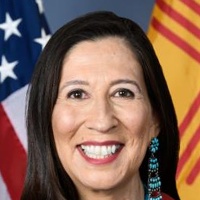
Teresa Leger Fernandez
Representative
NM
Teresa Leger Fernandez
Representative
NM
This bill authorizes the award of a single Congressional Gold Medal to recognize the collective heroism of the individuals who defended Bataan, Corregidor, and other locations in the Pacific theater during World War II. The medal honors the extraordinary sacrifice of U.S. service members and Filipino forces who fought and endured imprisonment by Imperial Japan. Following the presentation, the medal will be permanently displayed at the Smithsonian's National Museum of American History. The legislation also allows for the production and sale of bronze duplicate medals.
This bill renames and revises the Great American Outdoors Act's maintenance fund, increases dedicated funding through new, higher fees for foreign visitors, and sets spending priorities for deferred maintenance across public lands agencies.
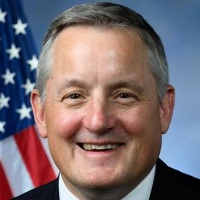
Bruce Westerman
Representative
AR
Bruce Westerman
Representative
AR
This bill, the Great American Outdoors Act 250, significantly reforms and renames the existing public lands restoration fund to the America’s Legacy Restoration Fund. It secures dedicated funding streams, primarily from energy revenues and new fees on foreign visitors, to address critical deferred maintenance across the National Park Service, Forest Service, and other public land agencies. The legislation establishes strict spending priorities for infrastructure repair while also creating pilot programs for enhancing outdoor recreation and sportsmen's access. Finally, it mandates increased transparency and accountability through standardized metrics and public reporting on all funded projects.
This bill directs the presentation of Congressional Gold Medals to the Artemis II crew members in recognition of their historic mission beyond low Earth orbit.
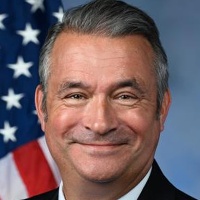
Don Bacon
Representative
NE
Don Bacon
Representative
NE
This bill directs the presentation of Congressional Gold Medals to the crew of the Artemis II mission to recognize their historic achievements in returning humans beyond low Earth orbit. The medals will honor the crew's role in setting new space exploration records and paving the way for future lunar and Mars missions. The Secretary of the Treasury is authorized to strike these medals and produce bronze duplicates for sale.
This Act enhances accountability and transparency for Small Business Administration (SBA) disaster loans through expanded reporting requirements, detailed budget submissions, low-funding notifications, and independent GAO reviews.
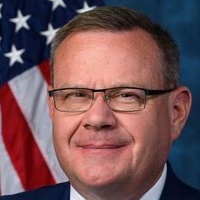
Tim Moore
Representative
NC
Tim Moore
Representative
NC
The Disaster Loan Accountability and Reform Act (DLARA) aims to increase transparency and oversight of Small Business Administration (SBA) disaster loan programs. It mandates expanded monthly reporting on loan funding levels, requires detailed breakdowns in future Presidential budget requests, and imposes new notification requirements when disaster loan funds become critically low. Additionally, the bill directs the GAO to report on loan disbursement rates and the financial impact of recent program changes.