Legislative Activity
Track Eugene's sponsored bills, co-sponsored legislation, and voting record
The Major Richard Star Act ensures that military retirees with combat-related disabilities can concurrently receive their full military retirement pay and VA disability compensation without reduction.

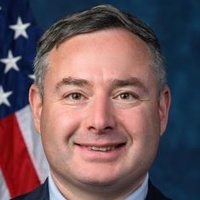
Gus Bilirakis
Representative
FL
Gus Bilirakis
Representative
FL
The Major Richard Star Act ensures that military retirees with combat-related disabilities can receive both their military retirement pay and VA disability compensation concurrently without reduction. This law removes previous restrictions that caused military retirement pay to be offset by VA disability payments for these specific cases. The changes take effect on the first day of the month following the Act's enactment.
This bill expands eligibility for veterans who served in Guam between August 15, 1958, and July 31, 1980, to receive a presumption of service connection for diseases associated with herbicide exposure.
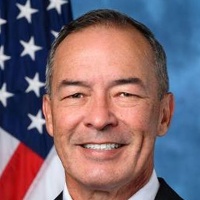
James (Jim) Moylan
Representative
GU
James (Jim) Moylan
Representative
GU
The Correcting Guam's History in the PACT Act expands eligibility for veterans who served in Guam to receive a presumption of service connection for diseases linked to herbicide exposure. This change specifically covers service in Guam between August 15, 1958, and July 31, 1980. Coverage for veterans who served in American Samoa remains unchanged.
This bill mandates that veterans' disability compensation, dependency and indemnity compensation, and clothing allowance rates increase starting December 1, 2025, by the same percentage as the Social Security cost-of-living adjustment for that year.
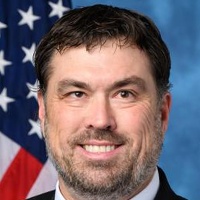
Morgan Luttrell
Representative
TX
Morgan Luttrell
Representative
TX
The Veterans’ Compensation Cost-of-Living Adjustment Act of 2025 mandates an increase in disability compensation and dependency and indemnity compensation (DIC) rates for veterans and survivors. This increase, effective December 1, 2025, will match the percentage increase applied to Social Security benefits for that year. The bill also requires the VA to publish the adjusted rates according to the Social Security Administration's COLA announcement schedule.
The Safe Routes Act of 2025 exempts certain logging trucks hauling raw forest products from federal vehicle weight limits within a 150-air-mile radius, provided they adhere to existing state weight tolerances.
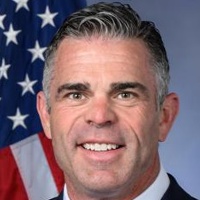
Tony Wied
Representative
WI
Tony Wied
Representative
WI
The Safe Routes Act of 2025 grants the Secretary the authority to waive federal vehicle weight limits for covered logging vehicles transporting raw forest products. This exemption applies only when these trucks operate within 150 air miles on the Interstate system and adhere to existing state-level weight tolerances for such materials. Essentially, the bill allows logging trucks to operate under established state rules rather than stricter federal limits for short hauls.
This bill amends the national rural water and wastewater circuit rider program to mandate and fund cybersecurity technical assistance for rural water systems serving fewer than 10,000 people.
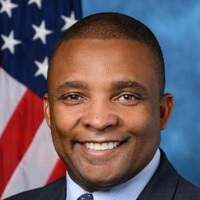
Donald Davis
Representative
NC
Donald Davis
Representative
NC
The Cybersecurity for Rural Water Systems Act amends the national rural water and wastewater circuit rider program to mandate the inclusion of cybersecurity technical assistance for small, rural water systems. This assistance will help systems serving fewer than 10,000 people assess threats and implement protective measures. The bill also extends and increases funding for the program, specifically allocating \$7.5 million annually for these new cybersecurity services.
The Credit for Caring Act of 2025 establishes a new, partially refundable federal income tax credit for working family caregivers covering qualified expenses exceeding \$2,000, up to a \$5,000 annual limit.
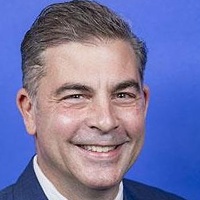
Mike Carey
Representative
OH
Mike Carey
Representative
OH
The Credit for Caring Act of 2025 establishes a new, non-refundable federal income tax credit for working family caregivers who incur significant expenses caring for a relative with long-term care needs. Eligible caregivers can claim a credit equal to 30% of qualified expenses exceeding \$2,000, up to a maximum annual credit of \$5,000. The bill specifies detailed requirements for the care recipient's needs, the types of allowable expenses, and includes income phase-out limits for claiming the benefit.
This act expands the Work Opportunity Tax Credit to include employers who hire qualified military spouses.
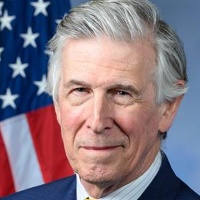
Donald Beyer
Representative
VA
Donald Beyer
Representative
VA
The Military Spouse Hiring Act amends the Internal Revenue Code to expand eligibility for the Work Opportunity Tax Credit (WOTC). This change allows employers to claim the tax credit for hiring qualified military spouses. A qualified military spouse is defined as someone certified as being married to a member of the U.S. Armed Forces.
This Act mandates the Secretary of Commerce to develop a comprehensive strategy to strengthen the economic competitiveness of the U.S. information and communication technology supply chain by identifying and supporting trusted domestic and allied technology vendors.
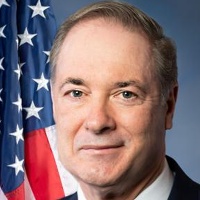
John Joyce
Representative
PA
John Joyce
Representative
PA
The Information and Communication Technology Strategy Act directs the Secretary of Commerce to assess the U.S. information and communication technology (ICT) supply chain, identifying critical technologies and trusted domestic vendors. This assessment will form the basis for a government-wide strategy aimed at boosting the economic competitiveness of these trusted vendors. The ultimate goal is to strengthen the nation's technology sources and reduce reliance on vendors deemed a national security risk.
This Act ensures that veterans living in rural areas have dedicated access to patient advocates at VA medical facilities.

John Moolenaar
Representative
MI
John Moolenaar
Representative
MI
The Veterans Patient Advocacy Act ensures that veterans living in rural areas have reliable access to patient advocates at VA medical facilities. This requires the VA to assign advocates specifically to community-based outpatient clinics in rural locations. The Secretary of Veterans Affairs must implement these changes within two years, followed by a GAO review of the implementation progress.
This Act converts Transportation Security Administration (TSA) personnel to standard federal employment rules under Title 5, establishes transition protections, mandates workforce reviews, and addresses labor relations and employee safety.
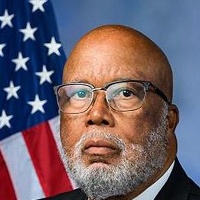
Bennie Thompson
Representative
MS
Bennie Thompson
Representative
MS
The Rights for the Transportation Security Administration Workforce Act transitions TSA personnel to standard federal employment rules under Title 5 of the U.S. Code by a set date no later than December 31, 2025. This mandates the freezing of current personnel policies during the transition while protecting current employee pay and benefits. The bill also requires extensive reviews by the Comptroller General on hiring, diversity, and workplace safety, and mandates consultation with employee representatives regarding labor relations. Finally, it ensures that screening agents retain collective bargaining rights and addresses specific concerns for Federal Air Marshals.
This Act eliminates the waiting periods for Social Security disability benefits and Medicare coverage for individuals diagnosed with metastatic breast cancer.
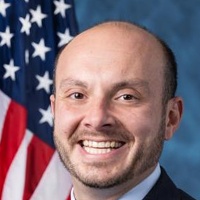
Andrew Garbarino
Representative
NY
Andrew Garbarino
Representative
NY
The Metastatic Breast Cancer Access to Care Act aims to improve support for individuals diagnosed with metastatic breast cancer. This bill eliminates the standard waiting period for receiving Social Security disability insurance benefits and waives the 24-month waiting period for Medicare coverage. These changes ensure immediate access to crucial financial and healthcare support upon diagnosis.
This Act establishes a federally-led Joint Task Force to coordinate interagency efforts against illicit synthetic narcotics, focusing on investigation, enforcement, and countering foreign trafficking networks.

Dan Newhouse
Representative
WA
Dan Newhouse
Representative
WA
This Act establishes the Joint Task Force to Counter Illicit Synthetic Narcotics (JTFISN), a high-level body composed of representatives from key federal departments like Justice, Treasury, and Homeland Security. The JTFISN's primary mission is to lead and strategically coordinate federal efforts to disrupt the trafficking and supply chains of synthetic narcotics, with a specific focus on foreign actors like the People's Republic of China. The task force is authorized to investigate related crimes but is explicitly barred from targeting individuals solely based on personal drug use.
The Stop Comstock Act streamlines federal statutes by removing outdated and redundant language concerning "indecent" or "immoral" materials, focusing legal definitions on "obscene materials."
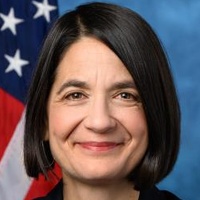
Becca Balint
Representative
VT
Becca Balint
Representative
VT
The Stop Comstock Act aims to modernize and streamline federal statutes concerning obscene materials. It revises several sections of federal law, including those related to crimes, transportation, and importation, by removing outdated or redundant language like "indecent" or "immoral." This legislative cleanup focuses the legal definitions to center specifically on "obscene materials."
This bill establishes new initiatives and streamlines processes to accelerate conservation efforts in the Chesapeake Bay watershed, supports agricultural workforce development, and reforms hiring and regulatory oversight for related programs.

Robert Wittman
Representative
VA
Robert Wittman
Representative
VA
The Chesapeake Bay Conservation Acceleration Act of 2025 establishes a new initiative to fund farmers in the watershed for water and soil quality improvements, while also extending and streamlining the Conservation Reserve Enhancement Program (CREP). The bill introduces a "turnkey" pilot program to simplify conservation practices for landowners and grants the NRCS direct-hire authority for technical experts. Finally, it transfers primary regulatory oversight for inspecting domestic, wild-caught invasive catfish from the USDA to the FDA.
The Caring for Survivors Act of 2025 increases dependency and indemnity compensation for surviving spouses and lowers the required period of total disability rating before death for survivors to qualify for certain benefits.
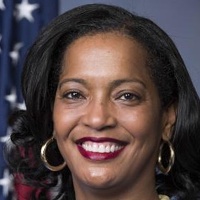
Jahana Hayes
Representative
CT
Jahana Hayes
Representative
CT
The Caring for Survivors Act of 2025 aims to increase financial support for surviving spouses of veterans. This bill raises the monthly Dependency and Indemnity Compensation (DIC) payment rate for surviving spouses. Additionally, it lowers the required duration of total disability rating before death from ten years to five years for survivors to qualify for certain DIC benefits. If the disability period was between five and ten years, the benefit amount will be proportionally adjusted.
Lulu’s Law mandates that shark attacks be officially classified as events eligible for wireless emergency alerts to improve public safety.
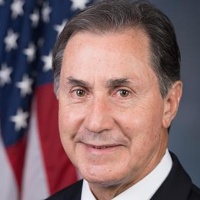
Gary Palmer
Representative
AL
Gary Palmer
Representative
AL
Lulu’s Law mandates that shark attacks be officially classified as events eligible for Wireless Emergency Alerts. The legislation requires the Federal Communications Commission to update its regulations within 180 days to ensure these alerts can be issued to the public.
Condemns House Republican leadership for allowing a xenophobic post questioning a Congressman's citizenship.
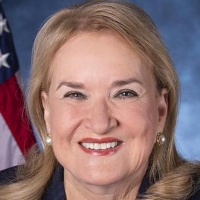
Sylvia Garcia
Representative
TX
Sylvia Garcia
Representative
TX
This bill condemns the House Republican Conference for a xenophobic social media post questioning Congressman Adriano Espaillat's immigration status and patriotism. It specifically condemns the House Republican leadership team for allowing the false statement that questioned Congressman Espaillat's citizenship.
The Medicare Dental, Vision, and Hearing Benefit Act of 2025 adds comprehensive dental, vision, and hearing care, including hearing aids, to Medicare coverage starting in 2026 while also mandating the inclusion of an oral health professional on the U.S. Preventive Services Task Force.

Lloyd Doggett
Representative
TX
Lloyd Doggett
Representative
TX
The Medicare Dental, Vision, and Hearing Benefit Act of 2025 significantly expands Medicare coverage to include comprehensive dental, vision, and hearing services starting in 2026. This legislation outlines specific payment schedules, frequency limits, and coverage percentages for routine exams, procedures, eyeglasses, contact lenses, and hearing aids. Furthermore, the bill mandates the inclusion of an oral health professional on the United States Preventive Services Task Force.
This Act establishes a Department of Veterans Affairs program to furnish eligible veterans with U.S.-made, secure firearm storage lockboxes or vouchers, alongside educational materials promoting suicide prevention.

Chris Deluzio
Representative
PA
Chris Deluzio
Representative
PA
The Saving Our Veterans Lives Act of 2025 establishes a new Department of Veterans Affairs (VA) program to provide eligible veterans and former service members with secure, U.S.-made firearm storage lockboxes or vouchers. This initiative aims to promote safe firearm storage as a suicide prevention measure through distribution and public awareness campaigns. The law explicitly states that participation will not affect an individual's legal right to own firearms or require any form of firearm registration.
This act allows State homes caring for veterans to choose between direct reimbursement or direct furnishing of high-cost medications.
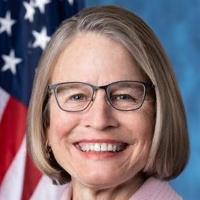
Mariannette Miller-Meeks
Representative
IA
Mariannette Miller-Meeks
Representative
IA
The Providing Veterans Essential Medications Act allows State homes caring for veterans to choose how they receive reimbursement for very high-cost medications. State homes can opt to be reimbursed directly for the medication's cost or have the Secretary of the VA furnish the drug directly. This provision applies only when the cost of a specific medication exceeds a defined threshold relative to the standard monthly payment for that veteran's care.