Legislative Activity
Track Eugene's sponsored bills, co-sponsored legislation, and voting record
This Act increases the maximum financial assistance available to disabled veterans for necessary in-home structural improvements and mandates annual inflation adjustments to certain benefit amounts.
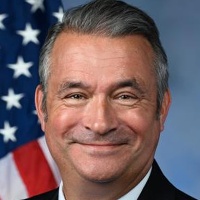
Don Bacon
Representative
NE
Don Bacon
Representative
NE
The Autonomy for Disabled Veterans Act increases the maximum financial assistance available to disabled veterans for necessary home improvements related to their health services. This legislation raises the existing benefit caps to provide greater support for accessibility modifications. Furthermore, it mandates annual adjustments to a specific benefit amount based on the rate of inflation to ensure continued relevance.
The Puppy Protection Act of 2025 establishes stricter housing, daily care, veterinary, and breeding standards for dog dealers under the Animal Welfare Act.

Brian Fitzpatrick
Representative
PA
Brian Fitzpatrick
Representative
PA
The Puppy Protection Act of 2025 significantly increases humane treatment standards for dog dealers under the Animal Welfare Act. This legislation mandates specific minimum space requirements, daily exercise access, and mandatory socialization for housed dogs. Furthermore, it establishes strict limits on female dog breeding frequency and age, alongside enhanced veterinary care protocols.
The Innovative FEED Act of 2025 establishes a new regulatory pathway under the FDA for substances added to animal food intended to modify digestive byproducts, reduce foodborne pathogens, or alter gut function without providing nutrition.
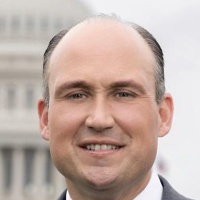
Nicholas Langworthy
Representative
NY
Nicholas Langworthy
Representative
NY
The Innovative FEED Act of 2025 establishes a new regulatory category for "zootechnical animal food substances" intended to modify animal digestive byproducts or reduce foodborne pathogens without treating disease. This bill mandates that these new substances must undergo the standard food additive approval process with the FDA, requiring petitioners to provide extensive data on their intended effects. Approval is contingent upon proving the substance achieves its claimed function under proposed use conditions, and all resulting animal food must carry a specific disclaimer stating it is not for disease treatment.
This bill restores protections to prevent private health insurance plans from discriminating against dialysis patients with End-Stage Renal Disease (ESRD) or shifting their treatment costs unfairly onto Medicare.

Mike Kelly
Representative
PA
Mike Kelly
Representative
PA
The Restore Protections for Dialysis Patients Act aims to prevent private health insurance plans from discriminating against patients with End-Stage Renal Disease (ESRD). This legislation clarifies that plans cannot offer worse benefits or unfairly limit coverage for dialysis treatments compared to other medical services. Furthermore, it stops these plans from shifting the primary financial responsibility for ESRD care onto Medicare. The bill maintains existing rules ensuring fair treatment while preserving a health plan's ability to select its network of dialysis providers.
The PARA-EMT Act of 2025 establishes pilot grant programs to combat the national shortage of EMTs and paramedics by funding recruitment, training, and veteran credentialing, alongside mandating a comprehensive study of the workforce crisis.

Marie Gluesenkamp Perez
Representative
WA
Marie Gluesenkamp Perez
Representative
WA
The PARA-EMT Act of 2025 addresses the critical national shortage of EMTs and paramedics by establishing a pilot grant program to help agencies hire, train, and support their emergency medical workforce. It also creates a federal grant program to assist states in streamlining the transition of veterans with military medical training into civilian EMS roles. Finally, the bill mandates a comprehensive study to quantify the current and projected workforce shortage and recommend solutions, including potential visa considerations.
This bill adjusts the effective date for reducing or stopping certain VA benefits following a divorce or the death of a dependent, ensuring recipients receive benefits for the entire month the event occurs.

Bryan Steil
Representative
WI
Bryan Steil
Representative
WI
The Survivor Benefits Fairness Act adjusts the effective date for reducing or stopping certain VA benefits, like compensation or pension, when a veteran's marriage ends or a dependent dies. Under this bill, benefit reductions will now take effect at the end of the month the event occurs, rather than the end of the preceding month. This change ensures veterans and survivors receive benefits for the entire month in which the qualifying event takes place.
This bill extends the Medicare ground ambulance payment pilot program through 2028 to ensure continued patient access to these essential medical services.

Claudia Tenney
Representative
NY
Claudia Tenney
Representative
NY
The Protecting Access to Ground Ambulance Medical Services Act of 2025 extends the current Medicare payment structure for ground ambulance services. This change ensures continuity in how these vital services are reimbursed under existing rules. Specifically, the temporary payment pilot program is extended through 2028, preventing an immediate change in payment policy.
This act exempts surplus broiler hatching eggs sold to egg breakers from a specific current shell egg rule while mandating a new regulation for their handling and temperature control.

Josh Riley
Representative
NY
Josh Riley
Representative
NY
The Lowering Egg Prices Act of 2025 aims to reduce costs by streamlining the handling of surplus broiler hatching eggs sold to commercial egg breakers for processing into liquid egg products. This bill exempts these specific surplus eggs from certain current shell egg regulations. It also mandates the creation of a new rule within 180 days to establish appropriate temperature and time limits for holding these eggs before processing.
This Act establishes the authority to create trusted trade agreements to diversify and strengthen the U.S. medical supply chain against future crises.

Nicole Malliotakis
Representative
NY
Nicole Malliotakis
Representative
NY
The Medical Supply Chain Resiliency Act aims to secure the U.S. supply of critical medical goods by diversifying trade relationships and reducing reliance on high-risk sources. It authorizes the President to enter into special "trusted trade partner agreements" that lower trade barriers with reliable allies. These agreements focus on regulatory cooperation, intellectual property protection, and ensuring supply chain stability during public health emergencies. The bill also establishes strict reporting and oversight mechanisms for Congress before any such agreement can take effect.
The Air America Act of 2025 authorizes one-time monetary awards to former Air America employees or their survivors for service supporting the CIA between 1950 and 1976.
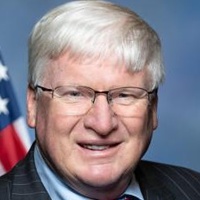
Glenn Grothman
Representative
WI
Glenn Grothman
Representative
WI
The Air America Act of 2025 recognizes the sacrifices of former Air America employees who served the U.S. Government between 1950 and 1976. This Act authorizes a one-time monetary award, up to $40,000 plus potential additional amounts, for qualifying service members or their survivors. The CIA Director is responsible for administering these payments, which are capped at a total of $60 million, and establishing the application procedures. Decisions made by the Director regarding these awards are final and not subject to judicial review.
This bill establishes a national campaign to educate the general public on essential cybersecurity practices to protect against online threats.
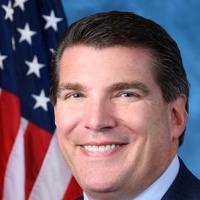
Jay Obernolte
Representative
CA
Jay Obernolte
Representative
CA
The American Cybersecurity Literacy Act establishes a national campaign to significantly boost the general public's understanding of cybersecurity best practices. This effort will focus on educating Americans on how to spot scams, use strong security tools like multi-factor authentication, and safely manage connected devices and apps. The goal is to strengthen national security and the economy by making everyday citizens more resilient against cyber threats.
This bill officially renames the U.S. Postal Service facility in Lawrenceville, Virginia, as the "James Solomon Russell Post Office."
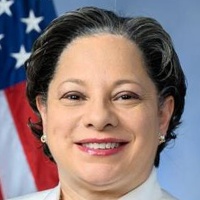
Jennifer McClellan
Representative
VA
Jennifer McClellan
Representative
VA
This bill officially designates the United States Postal Service facility located at 409 South Hicks Street in Lawrenceville, Virginia, as the "James Solomon Russell Post Office." The legislation ensures that all official records and documents reflect this new, permanent name for the Lawrenceville post office.
The HELPER Act of 2025 establishes a new FHA mortgage insurance program offering 100% financing with an upfront premium and no monthly premiums for eligible first responders, educators, and law enforcement officers.
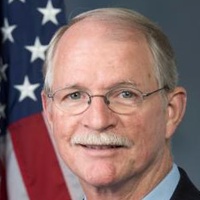
John Rutherford
Representative
FL
John Rutherford
Representative
FL
The HELPER Act of 2025 establishes a new FHA mortgage insurance program to assist first responders, educators, and law enforcement officers in purchasing homes. This program offers eligible first-time homebuyers 100% financing with no down payment required. Instead of monthly premiums, borrowers pay an upfront FHA insurance premium at closing.
The SPEAK Act of 2025 mandates that HHS develop guidance to ensure individuals with limited English proficiency receive effective language access during telehealth services.
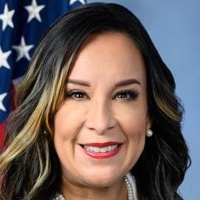
Mónica De La Cruz
Representative
TX
Mónica De La Cruz
Representative
TX
The SPEAK Act of 2025 directs the Department of Health and Human Services (HHS) to issue updated guidance on ensuring meaningful language access during telehealth services. This guidance must establish best practices for incorporating interpreters, improving access to technology, and providing multilingual patient materials for individuals with limited English proficiency. The goal is to ensure equitable care delivery across virtual health platforms.
This act officially designates Postal Service police officers as federal agents with authority over Postal Service property and establishes penalties for violating property rules set by the Postmaster General.
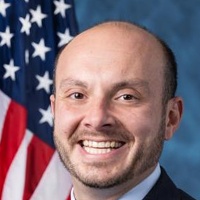
Andrew Garbarino
Representative
NY
Andrew Garbarino
Representative
NY
The Postal Police Reform Act of 2025 officially designates Postal Service police officers as federal law enforcement agents under Title 18 of the U.S. Code. This legislation grants the Postmaster General the authority to establish and enforce rules for protecting Postal Service property. Violations of these new rules may result in federal fines or imprisonment up to 30 days.
This bill establishes a new federal tax credit to incentivize investments in maintaining and improving existing hydroelectric facilities and restoring rivers through approved environmental and safety upgrades.

Adrian Smith
Representative
NE
Adrian Smith
Representative
NE
The Maintaining and Enhancing Hydroelectricity and River Restoration Act establishes a new federal tax credit to incentivize investments in improving existing hydroelectric facilities. This credit covers 30% of the cost for property that enhances fish passage, water quality, dam safety, or facilitates the removal of obsolete river obstructions. Furthermore, the bill allows taxpayers to elect direct payment or transferability for this new credit.
This act establishes a mandatory, science-based testing and certification program for commercial honey packers to prevent economically motivated adulteration and sets an official standard of identity for honey.
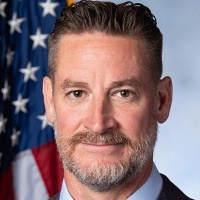
W. Steube
Representative
FL
W. Steube
Representative
FL
The Honey Integrity Act establishes a clear standard of identity for honey based on existing quality benchmarks. It mandates that commercial honey packers implement rigorous, scientifically advanced testing protocols to detect fraud and adulteration. Furthermore, the bill requires the Secretary to report on enforcement actions against mislabeled honey and establishes a new program funded by packer fees to ensure honey sold in the U.S. is authentic.
This act establishes a mandatory, value-based case rate payment system for Medicare radiation oncology services to incentivize quality care and cost efficiency while protecting patient access and offering transportation assistance.
Brian Fitzpatrick
Representative
PA
Brian Fitzpatrick
Representative
PA
The Radiation Oncology Case Rate Value Based Program Act of 2025 establishes a new Medicare payment system that pays providers a single, set rate for an entire episode of radiation therapy care, rather than paying for individual services. This program aims to incentivize high-quality, efficient care while achieving cost savings for Medicare. It also includes specific provisions to support patient access, such as a health equity bonus for addressing transportation insecurity. Finally, the bill exempts the savings generated by this new payment structure from standard Medicare budget neutrality adjustments.
This Act extends the eligibility period for beginning and veteran farmers and ranchers to receive enhanced crop insurance premium assistance.
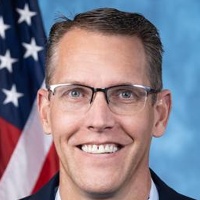
Randy Feenstra
Representative
IA
Randy Feenstra
Representative
IA
The Crop Insurance for Future Farmers Act expands eligibility for enhanced crop insurance support by increasing the definition of a "beginning farmer or rancher" from five to ten crop years. This legislation also extends the qualifying period for "veteran farmers and ranchers" under the same terms. Furthermore, it restructures the premium assistance structure for these groups, providing tiered, decreasing levels of extra financial help over their first ten years of participation.
This bill grants temporary guest status and immediate work authorization to Ukrainians paroled into the U.S. under the "Uniting for Ukraine" program until it is safe for them to return home.
Brian Fitzpatrick
Representative
PA
Brian Fitzpatrick
Representative
PA
This Act establishes a special, temporary "Ukrainian guest status" for individuals paroled into the U.S. under the "Uniting for Ukraine" program. This status automatically grants immediate work authorization upon entry. The status will terminate 120 days after the Secretary of State certifies that hostilities in Ukraine have ceased and it is safe for civilians to return.