Legislative Activity
Track Eugene's sponsored bills, co-sponsored legislation, and voting record
This act establishes a dedicated unit within the Department of Justice to enhance the investigation and prosecution of international trade-related crimes, such as smuggling, money laundering, and duty evasion.
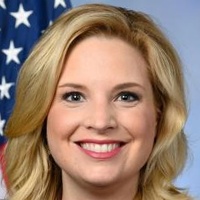
Ashley Hinson
Representative
IA
Ashley Hinson
Representative
IA
The Protecting American Industry and Labor from International Trade Crimes Act of 2026 establishes a dedicated unit within the Department of Justice to investigate and prosecute criminal trade activities, such as smuggling, duty evasion, and trade-based money laundering. This legislation aims to bolster enforcement capacity through increased staffing, interagency collaboration, and the development of multi-jurisdictional responses. Additionally, it mandates annual reporting to Congress to ensure transparency and accountability in the government's efforts to protect American industry and labor.
The National Archives Protection Act prohibits the closure, relocation, or restricted public access of existing federal records centers and archive facilities.
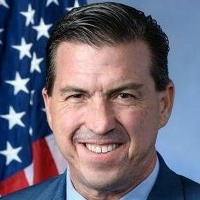
Kevin Mullin
Representative
CA
Kevin Mullin
Representative
CA
The National Archives Protection Act prevents the closure of existing federal records centers and archives. It also prohibits the Archivist from imposing unreasonable restrictions on public access or initiating facility renovations that would require the relocation of records for more than 180 days.
This legislation imposes comprehensive economic, financial, and energy sanctions on the Russian Federation while extending the Iran Sanctions Act of 1996 through 2031.
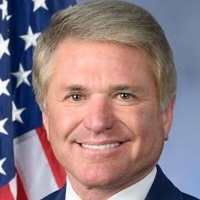
Michael McCaul
Representative
TX
Michael McCaul
Representative
TX
The Lindsey O. Graham Sanctioning Russia and Iran Act of 2026 imposes sweeping economic, financial, and energy sanctions on the Russian Federation to counter its war efforts and support for global instability. Additionally, the bill extends the Iran Sanctions Act of 1996 through 2031 to maintain continued pressure on the Iranian regime. Together, these measures aim to isolate adversarial actors through targeted financial restrictions, trade barriers, and enhanced oversight.
This act provides tax relief to disaster victims by allowing deductions for qualified disaster-related casualty losses for non-itemizers and excluding certain wildfire relief payments from gross income.
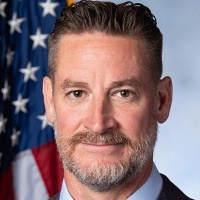
W. Steube
Representative
FL
W. Steube
Representative
FL
The Doug LaMalfa Federal Disaster Tax Relief Certainty Act provides tax relief to individuals affected by federally declared disasters occurring between 2019 and 2027. The bill allows taxpayers to deduct qualified disaster-related casualty losses even if they do not itemize and excludes certain wildfire relief payments from gross income. These measures aim to reduce the financial burden on disaster victims by simplifying the deduction process and preventing the taxation of recovery compensation.
The RECOVER PII Act provides lifetime identity theft protection for federal data breach victims and authorizes federal agencies to reimburse employees for privacy-enhancing services.

Eleanor Norton
Representative
DC
Eleanor Norton
Representative
DC
The RECOVER PII Act provides lifetime identity theft protection and $5 million in insurance coverage for individuals impacted by federal agency data breaches. Additionally, the bill authorizes federal agencies to reimburse employees and contractors for the full cost of privacy-enhancing services to better protect their personal information.
This resolution commemorates the 61st anniversary of Medicare, recognizing its historic role in providing essential health care security to millions of older Americans and individuals with disabilities.
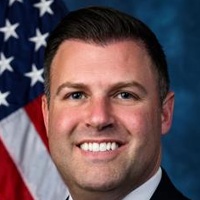
Ryan Mackenzie
Representative
PA
Ryan Mackenzie
Representative
PA
This resolution commemorates the 61st anniversary of Medicare, recognizing its vital role in providing health security to millions of seniors and individuals with disabilities. It honors the health care providers and staff who sustain the program while underscoring the importance of ensuring its long-term solvency for future generations.
This bill directs the President to remove U.S. Armed Forces from hostilities against Iran unless Congress has declared war or specifically authorized the use of military force.

Pramila Jayapal
Representative
WA
Pramila Jayapal
Representative
WA
This bill directs the President to remove U.S. Armed Forces from hostilities against Iran unless Congress has explicitly declared war or authorized the use of military force. It preserves the right of the U.S. to defend against imminent attacks and ensures that intelligence-sharing activities remain unaffected. The resolution clarifies that it does not serve as an authorization for the use of military force.
The TPS Review Act strengthens judicial oversight and establishes congressional review for decisions to terminate Temporary Protected Status, ensuring that such actions are evidence-based and subject to legal challenge.
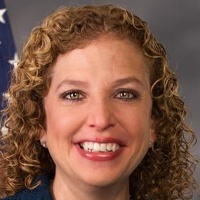
Debbie Wasserman Schultz
Representative
FL
Debbie Wasserman Schultz
Representative
FL
The Temporary Protected Status (TPS) Review Act strengthens oversight of government decisions to terminate TPS designations by reinstating judicial review and requiring that such decisions be supported by a comprehensive administrative record. The bill also subjects TPS terminations to congressional review under the Congressional Review Act, ensuring these decisions are subject to greater accountability. Additionally, it provides legal protections for beneficiaries by automatically staying terminations during the pendency of any legal challenges.
The Right to IVF Act of 2026 establishes a nationwide right to fertility care, mandates comprehensive insurance coverage for reproductive services, and expands access to fertility treatments for veterans and federal employees.
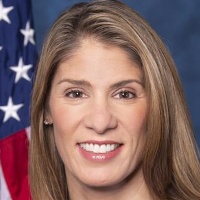
Lori Trahan
Representative
MA
Lori Trahan
Representative
MA
The Right to IVF Act of 2026 establishes a nationwide statutory right to access assisted reproductive technology (ART) and intrauterine insemination (IUI) while prohibiting states from imposing restrictive barriers. The bill further expands family-building support by mandating comprehensive fertility coverage across private insurance, Medicare, Medicaid, and federal employee health plans. Additionally, it guarantees expanded access to fertility services and preservation for military service members and veterans.
This bill requires the Department of Defense to submit and publish annual reports to Congress on the progress and implementation of its redesigned compensation model for military child care workers.
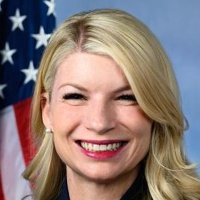
Brittany Pettersen
Representative
CO
Brittany Pettersen
Representative
CO
The Supporting Our Military Child Care Workforce Act mandates that the Department of Defense provide Congress with regular, transparent reports on the progress of its child care compensation model redesign. By requiring detailed updates and public disclosure of implementation timelines, this legislation ensures accountability in improving pay and support for the military’s essential child development workforce.
This Act directs the Secretary of Defense to establish national airspace corridors for the research, testing, and training of small unmanned aircraft systems and advanced counter-drone technologies.
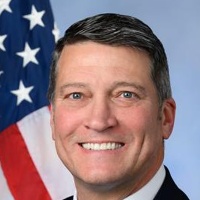
Ronny Jackson
Representative
TX
Ronny Jackson
Representative
TX
The Small Unmanned Aircraft Systems Operational Test, Evaluation, and Training Corridor Act directs the Secretary of Defense to establish specialized corridors within U.S. airspace for testing and training on drone and counter-drone technologies. This initiative aims to accelerate the development, integration, and deployment of advanced autonomous systems, sensors, and weapon capabilities. By utilizing both new and existing facilities, the Act seeks to streamline the field-readiness of critical defense technologies in realistic operational environments.
This bill reauthorizes the Accelerating Access to Critical Therapies for ALS Act through 2031 while enhancing grant oversight, safety reporting requirements, and FDA strategic planning for rare neurodegenerative diseases.

Mike Quigley
Representative
IL
Mike Quigley
Representative
IL
The Accelerating Access to Critical Therapies for ALS Reauthorization Act of 2026 extends vital funding for ALS research and clinical trial programs through 2031. This legislation strengthens oversight by enhancing grant review processes, improving safety reporting requirements, and mandating a comprehensive five-year FDA action plan to accelerate the development of treatments for rare neurodegenerative diseases.
This bill prohibits domestic business entities with significant foreign ownership or influence from contributing to U.S. elections and mandates strict certification requirements to ensure political spending is free from foreign control.
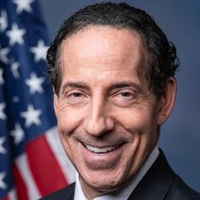
Jamie Raskin
Representative
MD
Jamie Raskin
Representative
MD
The Get Foreign Money Out of United States Elections Act strengthens existing laws to prevent foreign influence in American elections. It expands the ban on foreign contributions to include domestic companies with significant foreign ownership or control and mandates strict certification requirements for corporate political action committees. These measures ensure that foreign entities cannot influence federal, state, or local elections through direct spending, ballot initiatives, or Super PACs.
The Public Safety Officers’ Benefits Enhancement Act of 2026 simplifies the claims process for survivors by expanding the qualifying window for heart-related duty deaths and removing barriers to benefit eligibility.
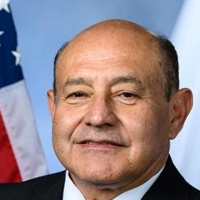
J. Correa
Representative
CA
J. Correa
Representative
CA
The Public Safety Officers’ Benefits Enhancement Act of 2026 simplifies the process for survivors to receive death benefits following an officer's heart attack or stroke. It removes barriers by eliminating the use of pre-existing health conditions as a basis for claim denial and extends the qualifying window for duty-related events from 24 to 72 hours. These changes ensure that families receive support more efficiently by strengthening the presumption that such medical events are connected to an officer's service.
This bill authorizes a seven-year grant program for the National Law Enforcement Officers Memorial Fund to support the National Law Enforcement Museum’s educational, community outreach, and officer wellness initiatives.
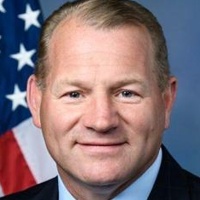
Troy Nehls
Representative
TX
Troy Nehls
Representative
TX
The National Law Enforcement Officers Remembrance, Support, and Community Outreach Act authorizes $6 million in annual grants over seven years to the National Law Enforcement Officers Memorial Fund. These funds will support the National Law Enforcement Museum’s public education, community outreach, and officer safety and wellness programs. As a condition of the grant, the museum must provide free admission to law enforcement officers and their families, as well as dedicated free hours for the general public.
This bill mandates increased transparency and imposes four-year operational restrictions on large private equity firms that acquire childcare providers to ensure the stability and quality of care.
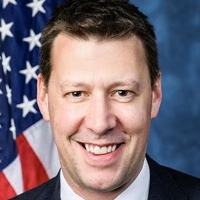
Josh Riley
Representative
NY
Josh Riley
Representative
NY
The Protecting Childcare from Private Equity Act aims to increase transparency and stability in the childcare industry by requiring large private equity firms to disclose their ownership of childcare providers. The bill imposes four-year restrictions on the sale of these businesses and the extraction of profits to ensure long-term operational stability. Additionally, it mandates a comprehensive study to evaluate the impact of private equity ownership on the quality, cost, and accessibility of childcare services.
The "Combating Illicit Xylazine Act" aims to combat the misuse of xylazine by adding it to Schedule III of the Controlled Substances Act, tracking its distribution, and ensuring appropriate penalties for related offenses, while also protecting legitimate veterinary use.
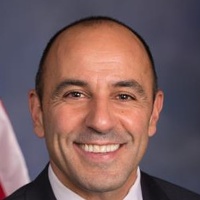
Jimmy Panetta
Representative
CA
Jimmy Panetta
Representative
CA
The "Combating Illicit Xylazine Act" aims to combat the illegal use of xylazine by adding it to Schedule III of the Controlled Substances Act, which would allow for increased regulation and tracking of the substance. The bill includes exemptions and delayed effective dates for certain requirements to ease the transition for legitimate users, such as veterinarians and animal handlers. It also directs the Sentencing Commission to review sentencing guidelines for xylazine-related offenses and mandates reports to Congress on the prevalence and impact of illicit xylazine use. Finally, it will include xylazine in Arcos tracking.
This bill mandates the Federal Energy Regulatory Commission to hold a technical conference and report on strategies to shield residential and small commercial utility customers from rising energy costs driven by large AI data centers.
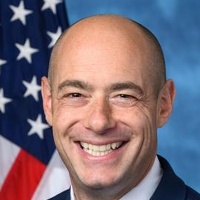
Greg Landsman
Representative
OH
Greg Landsman
Representative
OH
This bill, the Protecting Families from AI Data Center Energy Costs Act, directs the Federal Energy Regulatory Commission (FERC) to convene a technical conference on strategies to shield residential and small commercial utility customers from rising energy costs driven by large loads like AI data centers. Following the conference, FERC must submit a report to Congress detailing recommendations and best practices. The goal is to ensure utility costs remain manageable for everyday families and small businesses.
The STOP Nitazenes Act amends the Controlled Substances Act to permanently classify nitazenes and related synthetic opioids as Schedule I controlled substances.
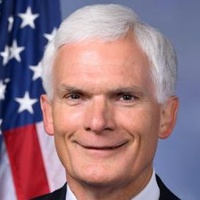
Robert Latta
Representative
OH
Robert Latta
Representative
OH
The STOP Nitazenes Act amends the Controlled Substances Act to permanently classify nitazenes—a highly potent class of synthetic opioids—as Schedule I controlled substances. This legislation strengthens federal enforcement by establishing a permanent legal framework to regulate these dangerous substances and any future chemical derivatives.
The SCALE Biology Act establishes a comprehensive biometrology laboratory program at NIST to develop standards and measurement science for engineering biology and biomanufacturing.
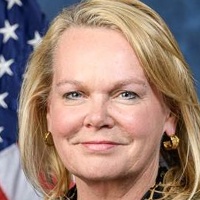
April McClain Delaney
Representative
MD
April McClain Delaney
Representative
MD
The SCALE Biology Act establishes a comprehensive biometrology laboratory program at the National Institute of Standards and Technology (NIST). This program directs NIST to conduct research and develop technical standards for engineering biology, biomanufacturing, and biotechnology. The goal is to enhance innovation, improve data reliability, and support the safe and secure development of biological technologies. The Act also authorizes specific funding levels for this new NIST research duty through fiscal year 2030.