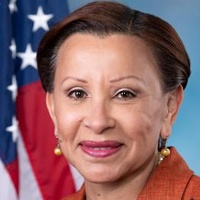
Legislative Activity
Track Nydia's sponsored bills, co-sponsored legislation, and voting record
This Act severely restricts the use of solitary confinement in federal facilities, mandates a minimum of 14 hours of daily social interaction for all incarcerated individuals, and establishes strict oversight and state incentives to end the practice nationwide.

Sydney Kamlager-Dove
Representative
CA
Sydney Kamlager-Dove
Representative
CA
The End Solitary Confinement Act aims to drastically limit the use of solitary confinement in federal facilities by mandating a minimum of 14 hours of daily social interaction for all incarcerated individuals. The bill establishes strict emergency exceptions for isolation, prohibits its use against vulnerable populations, and creates an independent community monitoring body to ensure compliance. Furthermore, it incentivizes states to adopt similar standards by tying federal funding to adherence to these new minimum treatment requirements.
The Safe Return Act converts the State Department's emergency repatriation assistance for destitute U.S. citizens and lawful permanent residents from a loan-based system to a grant-based program.
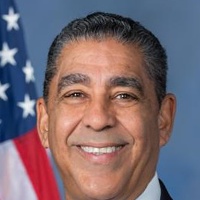
Adriano Espaillat
Representative
NY
Adriano Espaillat
Representative
NY
The Safe Return Act officially renames the program for assisting citizens and others returning to the U.S. during emergencies. This legislation shifts the primary method of assistance from repayable loans to non-repayable grants. The bill expands eligibility for this grant assistance to include destitute lawful permanent residents, in addition to U.S. citizens.
The Hands Off Our Social Security Act prohibits unauthorized tampering with benefits, data mining, privatization, workforce reductions, and office closures without explicit Congressional approval.

Melanie Stansbury
Representative
NM
Melanie Stansbury
Representative
NM
The Hands Off Our Social Security Act is designed to safeguard the functionality and integrity of the Social Security Administration (SSA). This bill prohibits the SSA from tampering with benefits, engaging in unauthorized data mining, or privatizing services. Furthermore, it prevents the agency from closing local offices or reducing staff without explicit approval from Congress. Ultimately, the Act ensures that essential services and communication channels remain accessible to beneficiaries.
This Act prohibits the shackling and detention of pregnant and postpartum noncitizens except in extraordinary, narrowly defined circumstances, while mandating comprehensive healthcare access and staff training.
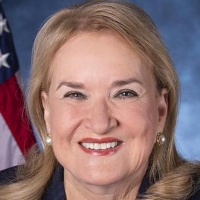
Sylvia Garcia
Representative
TX
Sylvia Garcia
Representative
TX
The Stop Shackling and Detaining Pregnant Women Act aims to significantly reform the detention of pregnant and postpartum noncitizens by establishing a presumption against their detention. This bill strictly limits the use of physical restraints on pregnant detainees and mandates comprehensive reproductive healthcare access. Furthermore, it requires detailed quarterly and annual reporting on the treatment and outcomes of pregnant individuals in custody.
This bill establishes a new system for distributing up to 2,000 additional Medicare-funded residency positions annually from 2026 through 2032, prioritizing hospitals serving underserved areas, and mandates a study on strategies to increase workforce diversity.
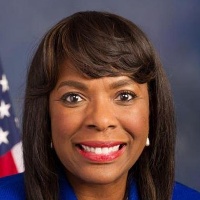
Terri Sewell
Representative
AL
Terri Sewell
Representative
AL
The Resident Physician Shortage Reduction Act of 2025 establishes a structured process for distributing up to 2,000 additional, federally funded residency positions annually between fiscal years 2026 and 2032. This distribution prioritizes hospitals serving in underserved areas, those already training above their limit, and those committed to primary care and general surgery training. The bill also mandates a study and report by the Comptroller General on effective strategies to increase diversity within the health professional workforce.
This constitutional amendment prohibits immunity from criminal prosecution for federal officials based on their official duties and bars the President from self-pardoning.
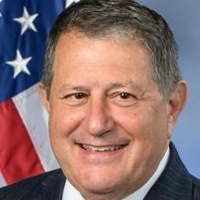
Joseph Morelle
Representative
NY
Joseph Morelle
Representative
NY
This proposed constitutional amendment would eliminate immunity from criminal prosecution for federal officials, including the President, based on their official duties. It also explicitly prohibits the President from issuing a self-pardon for any federal crimes. If ratified, these changes would take effect immediately.
This bill updates and automatically adjusts the asset threshold for certain private fund investment advisers to qualify for an exemption from SEC registration to account for inflation.
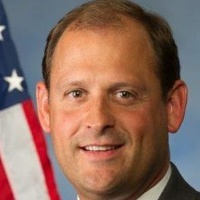
Garland Barr
Representative
KY
Garland Barr
Representative
KY
The Small Business Investor Capital Access Act updates the threshold for certain private fund investment advisers to qualify for an exemption from registration with the SEC. This bill immediately raises the asset management threshold from $\$150$ million to $\$175$ million. Furthermore, it mandates that the SEC automatically adjust this threshold every five years based on inflation.
The EACH Act of 2025 mandates that all federally funded health programs and facilities must cover and provide abortion services, while also prohibiting federal interference with private insurance coverage.
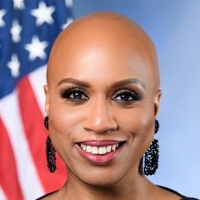
Ayanna Pressley
Representative
MA
Ayanna Pressley
Representative
MA
The EACH Act of 2025 aims to ensure equal access to abortion coverage by requiring all federally funded health programs and facilities to cover abortion services. This legislation prohibits federal interference with state or private insurance coverage of abortion and repeals Section 1303 of the Affordable Care Act. Ultimately, the bill seeks to eliminate financial and insurance barriers to abortion care, particularly for low-income individuals relying on programs like Medicaid.
This bill restricts the use of federal law enforcement and military personnel for domestic crowd control, mandates clear identification, limits operations to federal property unless requested by state and local officials, and requires public reporting of deployments.
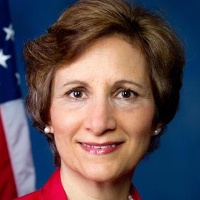
Suzanne Bonamici
Representative
OR
Suzanne Bonamici
Representative
OR
The Preventing Authoritarian Policing Tactics on America’s Streets Act establishes strict limitations on the deployment of federal law enforcement and military personnel for domestic crowd control. This bill mandates that all federal personnel involved in such situations must clearly display identifying information, such as their name and agency. Furthermore, it generally restricts their operations to federal property unless specific state and local requests are made or the Insurrection Act is invoked. Agencies must also publicly report details of any deployment within 24 hours.
This House resolution expresses support for honoring Nelson Mandela's legacy of peace, reconciliation, and human rights through the observance of Nelson Mandela International Day.

Henry Johnson
Representative
GA
Henry Johnson
Representative
GA
This resolution expresses the sense of the House of Representatives honoring the life and legacy of Nelson Mandela. It recognizes his pivotal role in ending apartheid in South Africa through nonviolent resistance and reconciliation. The bill supports the international observance of Nelson Mandela International Day as a time for reflection on peace, tolerance, and human rights.
This bill requires suppliers to inform Medicare beneficiaries undergoing a medically necessary mastectomy that breast reconstruction surgery is covered before performing the procedure, or face non-payment for the mastectomy.

Maxine Waters
Representative
CA
Maxine Waters
Representative
CA
The Medicare Breast Reconstruction Access and Information Act mandates that suppliers performing medically necessary mastectomies must inform patients about their Medicare coverage for post-mastectomy breast reconstruction. This information must be provided and documented in the patient's medical file before the surgery takes place. Failure to comply will result in Medicare withholding payment for the mastectomy procedure.
This bill places a temporary moratorium on the closure or restriction of access to National Oceanic and Atmospheric Administration (NOAA) facilities until 180 days after a required justification report is submitted to Congress.
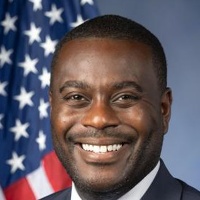
Gabe Amo
Representative
RI
Gabe Amo
Representative
RI
The Stop NOAA Closures Act places a temporary moratorium on the closure or restriction of access to any National Oceanic and Atmospheric Administration (NOAA) facilities. This freeze remains in effect until 180 days after key officials submit a required report to Congress detailing the criteria and process for any future facility changes. After the moratorium lifts, any major facility action will still require a 30-day advance notice and justification report to Congress, except in cases of immediate emergency threatening staff safety.
The Climate Health Emergency Act of 2025 mandates the Secretary of Health and Human Services to declare a public health emergency due to the escalating health risks posed by climate change.

Maxine Dexter
Representative
OR
Maxine Dexter
Representative
OR
The Climate Health Emergency Act of 2025 declares that climate change poses the most significant public health threat of this century, directly driving a majority of recent public health emergencies. This Act mandates the Secretary of Health and Human Services to officially declare a public health emergency specifically due to the health risks associated with climate change. The goal is to mobilize federal resources and coordinate agencies to build a public health system capable of handling the growing strain of climate-related crises.
This bill expands Medicaid coverage for certain individuals with breast or cervical cancer and mandates coverage for breast reconstruction following a mastectomy.
Maxine Waters
Representative
CA
Maxine Waters
Representative
CA
The Medicaid Breast Cancer Access to Treatment Act expands Medicaid eligibility to cover certain individuals who have had breast or cervical cancer. This legislation also mandates that Medicaid coverage must include breast reconstruction surgery following a medically necessary mastectomy. These changes aim to ensure comprehensive care and remove financial barriers for cancer survivors under the program.
This Act mandates that federal agencies integrate specific equity goals into their strategic and performance planning, establish internal equity advisory teams, and enhance data practices to ensure fair service delivery to underserved communities.
Ayanna Pressley
Representative
MA
Ayanna Pressley
Representative
MA
The Equity in Government Act mandates that federal agencies integrate specific equity goals into their strategic and performance plans, ensuring at least 20% of goals focus on improving service delivery to underserved communities. The bill establishes new leadership structures, including an Agency Equity Advisory Team, and enhances the role of the Chief Data Officer Council to prioritize equitable data collection and use. Furthermore, it creates an Equitable Data Working Group to guide the government toward fairer methods and outcomes in federal operations.
This Act mandates federal standards requiring employers to implement comprehensive heat illness and injury prevention programs to protect workers from dangerous heat stress.
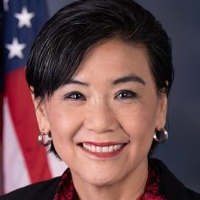
Judy Chu
Representative
CA
Judy Chu
Representative
CA
The Asunción Valdivia Heat Illness, Injury, and Fatality Prevention Act of 2025 mandates that employers protect workers from dangerous heat stress by establishing comprehensive safety standards. This Act requires the Secretary of Labor to create evidence-based rules covering engineering controls, administrative procedures, required training, and paid rest breaks to prevent heat-related illness. Furthermore, the law establishes strict enforcement mechanisms, whistleblower protections, and specific timelines for the implementation of these new federal heat protection standards.
This Act mandates increased ingredient and supply chain transparency for cosmetics, establishes federal standards while preserving stricter state regulations, and requires the FDA to maintain a public list of harmful trace constituents.

Janice Schakowsky
Representative
IL
Janice Schakowsky
Representative
IL
The Cosmetic Supply Chain Transparency Act of 2025 enhances cosmetic regulation by requiring detailed ingredient and supply chain information sharing between brand owners and suppliers. This law mandates the FDA to create a public list of harmful, nonfunctional chemical traces that suppliers must eventually test for and certify. Importantly, this federal legislation preserves the right of states to enact stricter ingredient or transparency rules than those established here.
This Act mandates research into cosmetic health disparities affecting communities of color and salon workers, funds safer alternative development, establishes resource centers for beauty justice and worker safety, and requires translated safety data sheets for professional products, while also regulating synthetic braids.
Janice Schakowsky
Representative
IL
Janice Schakowsky
Representative
IL
The Cosmetic Safety for Communities of Color and Professional Salon Workers Act of 2025 aims to enhance cosmetic safety through targeted research into health disparities affecting communities of color and salon workers. The bill mandates improved access to safety data sheets in multiple languages for professional products and establishes two new National Resource Centers to empower these communities and workers. Finally, it brings synthetic hair braids under FDA cosmetic regulation, requiring new safety standards and labeling.
This Act amends bankruptcy law to make it easier for struggling student loan borrowers to discharge their debt by removing the "undue hardship" standard.
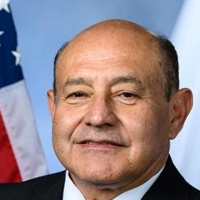
J. Correa
Representative
CA
J. Correa
Representative
CA
The Student Loan Bankruptcy Improvement Act of 2025 aims to reform the bankruptcy process for student loan borrowers. This bill seeks to lower the current, overly difficult standard required to discharge student loan debt in bankruptcy proceedings. By making these changes, Congress intends to provide struggling borrowers with a genuine opportunity for a financial fresh start.
This bill mandates comprehensive online and label disclosure of all cosmetic ingredients, especially fragrances and flavors, while preserving stronger state regulations.
Janice Schakowsky
Representative
IL
Janice Schakowsky
Representative
IL
The Cosmetic Hazardous Ingredient Right to Know Act of 2025 significantly updates cosmetic regulation by mandating comprehensive ingredient disclosure, especially for fragrances and flavors, on both product labels and brand owner websites. This law requires detailed, machine-readable online ingredient lists and specific hazard warnings on packaging if certain harmful chemicals are present. Importantly, this federal act preserves the authority of states to enact stricter ingredient bans or transparency requirements.