Legislative Activity
Track Nydia's sponsored bills, co-sponsored legislation, and voting record
This resolution expresses support for designating September 22, 2025, as "National Hispanic Nurses Day" to recognize the vital contributions of Hispanic nurses and the advocacy work of the National Association of Hispanic Nurses (NAHN).
Nanette Barragán
Representative
CA
Nanette Barragán
Representative
CA
This resolution expresses support for designating September 22, 2025, as "National Hispanic Nurses Day" to recognize the vital contributions of Hispanic nurses to the U.S. healthcare system. It specifically honors the National Association of Hispanic Nurses (NAHN) as the leading organization advocating for this essential group. The designation aims to raise awareness about the role Hispanic nurses play in providing culturally sensitive care and addressing health disparities in diverse communities.
This resolution condemns using federal regulatory power or litigation to suppress lawful political speech critical of a party or the President, warning against authoritarianism.
Yassamin Ansari
Representative
AZ
Yassamin Ansari
Representative
AZ
This resolution strongly condemns attempts to use federal regulatory power or litigation to suppress lawful speech critical of a political party or the President. It reaffirms the fundamental importance of the First Amendment and warns that such actions resemble tactics used by authoritarian regimes. The bill urges government agencies to protect free expression and ensure accountability, not political censorship.
This Act mandates that most health insurance plans, Medicare Part D, Medicaid, and CHIP must cover specific, currently recommended vaccines without out-of-pocket costs for a limited time.
Frank Pallone
Representative
NJ
Frank Pallone
Representative
NJ
The Protecting Free Vaccines Act mandates that most private health insurance plans must cover specific vaccines recommended by the CDC's Advisory Committee on Immunization Practices (ACIP) without any out-of-pocket costs until January 1, 2030. This requirement also updates coverage rules for Medicare Part D, Medicaid, and CHIP to ensure continuity of coverage for these recommended immunizations. The bill locks in coverage based on the ACIP recommendations in place as of October 25, 2024, across various federal health programs.
This Act reinforces the political independence of the Federal Reserve by prohibiting Governors and key regional bank officers from simultaneously holding any other position requiring a Presidential appointment.
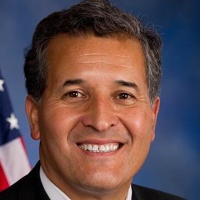
Juan Vargas
Representative
CA
Juan Vargas
Representative
CA
The Fed Integrity and Independence Act of 2025 reinforces the Federal Reserve's separation from political influence by prohibiting members of the Board of Governors and regional Federal Reserve Bank leaders from holding any other position requiring a Presidential appointment. This measure aims to ensure monetary policy decisions remain focused on long-term stability rather than short-term political pressures. Any current officeholder who violates this new dual-appointment restriction will have their Fed service terminated immediately upon the Act's enactment.
The SHINE for Autumn Act of 2025 establishes federal grants for states to improve stillbirth surveillance, data collection, and risk factor research while mandating the development of standardized educational guidelines on stillbirth.
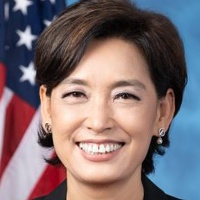
Young Kim
Representative
CA
Young Kim
Representative
CA
The SHINE for Autumn Act of 2025 aims to significantly improve federal support for state-level stillbirth research and data collection. It authorizes grants for states to enhance surveillance, track risk factors, and build local capacity for analyzing stillbirth data, provided the information remains de-identified. Furthermore, the bill mandates the development of standardized guidelines and educational materials regarding stillbirth awareness and risk factors, developed in consultation with experts and bereaved families.
This resolution officially recognizes and supports the designation of the third week of September as "Latino Conservation Week" to celebrate the Latino community's vital role in outdoor recreation and natural resource protection.
Nanette Barragán
Representative
CA
Nanette Barragán
Representative
CA
This resolution officially recognizes the vital role of the Latino community in outdoor recreation and natural resource protection across the United States. It expresses support for designating the third week of September as "Latino Conservation Week" to celebrate their ongoing commitment to conservation. The bill highlights the importance of ensuring equitable access to nature for all communities.
This bill mandates that federally funded higher education institutions update their harassment policies to explicitly cover technology-facilitated harassment and establishes a competitive grant program to fund anti-harassment initiatives.
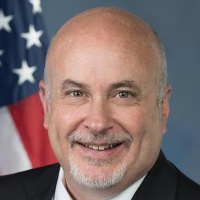
Mark Pocan
Representative
WI
Mark Pocan
Representative
WI
The Tyler Clementi Higher Education Anti-Harassment Act of 2025 mandates that colleges receiving federal funds update their policies to explicitly prohibit and detail procedures for addressing harassment based on protected characteristics, including technology-facilitated abuse. The bill also establishes a competitive grant program, funded up to $50 million annually, to support campus efforts in harassment prevention, training, and support services. This legislation adds new requirements without superseding existing civil rights protections.
This House resolution strongly condemns all forms of political violence and demands an end to dehumanizing rhetoric against political opponents.
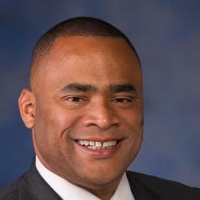
Marc Veasey
Representative
TX
Marc Veasey
Representative
TX
This House Resolution strongly condemns all forms of political violence and threats against elected officials and public figures, regardless of political affiliation. It affirms that disagreements must be resolved through peaceful and democratic means, not intimidation or force. The resolution urges law enforcement to prosecute those who commit or encourage such violence. Finally, it calls on all leaders to cease using dehumanizing rhetoric and promote civil discourse.
The Future Generations Protection Act mandates zero greenhouse gas emissions from new power plants, bans hydraulic fracturing starting in 2029, and restricts crude oil and natural gas exports while prioritizing a just transition away from fossil fuels.

Janice Schakowsky
Representative
IL
Janice Schakowsky
Representative
IL
The Future Generations Protection Act aims to combat climate change by immediately banning greenhouse gas emissions from new power plants and halting the approval of most new Liquefied Natural Gas (LNG) terminals. It also establishes a nationwide ban on hydraulic fracturing starting in 2029 and generally prohibits the export of domestically produced crude oil and natural gas, with limited exceptions for oil swaps and historical trade relationships. Furthermore, the Act mandates that the energy transition prioritize environmental justice, fairness for fossil fuel workers, and strong labor union involvement.
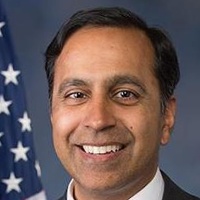
This bill mandates dedicated, funded resources for specialized 988 Suicide Prevention Lifeline services for LGBTQ+ youth.
Raja Krishnamoorthi
Representative
IL
Raja Krishnamoorthi
Representative
IL
The **988 LGBTQ+ Youth Access Act of 2025** addresses the high rates of suicide risk among LGBTQ youth by strengthening specialized support through the national crisis hotline. This bill mandates that dedicated resources and services, such as a specific dialing option, must be maintained for LGBTQ individuals contacting 988. Furthermore, it requires that at least 9 percent of appropriated funds for the hotline be specifically reserved to ensure these specialized services for LGBTQ youth remain fully operational.
This Act mandates that new passenger motor vehicles sold in the U.S. must include standard equipment capable of receiving AM broadcast radio signals.

Gus Bilirakis
Representative
FL
Gus Bilirakis
Representative
FL
The AM Radio for Every Vehicle Act of 2025 mandates that the Secretary of Transportation establish a rule requiring AM broadcast radio receivers to be installed as standard equipment in new passenger motor vehicles. This requirement aims to ensure public access to AM radio signals, which are often used for emergency alerts. The bill also directs a GAO study on the effectiveness of AM radio within the national emergency alert system compared to other technologies. Finally, the Act preempts state and local laws on this matter and includes a sunset provision eight years after enactment.
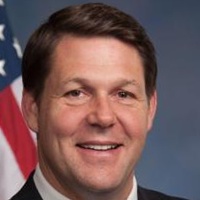
This bill amends the Social Security Act to provide Medicare coverage for FDA-approved multi-cancer early detection screening tests starting in 2028.
Jodey Arrington
Representative
TX
Jodey Arrington
Representative
TX
The Nancy Gardner Sewell Medicare Multi-Cancer Early Detection Screening Coverage Act amends the Social Security Act to provide Medicare Part B coverage for multi-cancer early detection screening tests starting January 1, 2028. This legislation establishes clear criteria for qualifying tests and outlines payment structures to ensure beneficiaries have access to these advanced diagnostic tools. Importantly, this coverage is designed to complement, rather than replace, existing Medicare-covered cancer screenings.
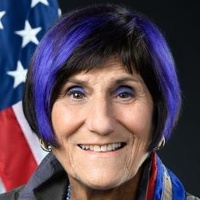
The FAMILY Act establishes a national paid family and medical leave insurance program administered by the Social Security Administration, providing benefits for caregiving related to serious health conditions or victims of violence.
Rosa DeLauro
Representative
CT
Rosa DeLauro
Representative
CT
The FAMILY Act establishes a national Paid Family and Medical Leave Insurance program administered by a new office within the Social Security Administration. This program provides monthly benefits to eligible individuals who take time off for qualified caregiving reasons, including serious health conditions or victims of violence. The Act also sets forth detailed eligibility requirements, benefit calculation formulas, and job protection guarantees for employees utilizing the leave. Finally, it creates a funding mechanism to support existing state-level paid leave programs that meet federal standards.
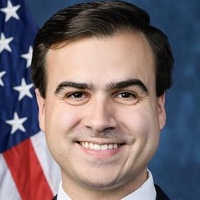
This resolution commemorates the eighth anniversary of Hurricane Maria's devastation in Puerto Rico and the U.S. Virgin Islands while urging federal agencies to expedite recovery aid and prioritize resilient infrastructure development.
Pablo José Hernández Rivera
Representative
PR
Pablo José Hernández Rivera
Representative
PR
This resolution commemorates the eighth anniversary of the devastation caused by Hurricane Maria in Puerto Rico and the U.S. Virgin Islands. It honors the thousands of lives lost and acknowledges the ongoing struggles of survivors due to massive infrastructure failure. The bill strongly urges federal agencies to expedite recovery funding and calls on Congress to prioritize building resilient infrastructure for the territories' future.
This Act establishes grants for Minority-Serving Institutions to enhance arts education, support minority students, and address diversity gaps in the arts sector.
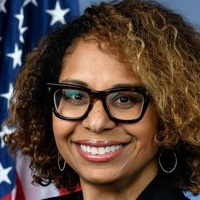
Sydney Kamlager-Dove
Representative
CA
Sydney Kamlager-Dove
Representative
CA
The Equitable Arts Education Enhancement Act establishes a new grant program to boost arts education at Minority-Serving Institutions (MSIs). These funds are intended to increase access to the arts for minority students through financial aid, mentorship, and career development. The bill aims to address the lack of diversity in arts leadership by supporting institutions well-positioned to train diverse arts professionals. Ultimately, this legislation seeks to preserve and promote the work of artists of color while strengthening arts programs nationwide.
This bill extends the authorization for the Small Business Innovation Research (SBIR) and Small Business Technology Transfer (STTR) programs and related activities for one additional year, through fiscal year 2026.
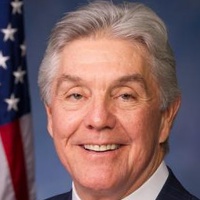
Roger Williams
Representative
TX
Roger Williams
Representative
TX
This bill primarily focuses on extending the authorization for the Small Business Innovation Research (SBIR) and Small Business Technology Transfer (STTR) programs by one year. It pushes the expiration dates for the core programs and several related pilot activities from fiscal year 2025 to fiscal year 2026. This ensures continued federal research and development funding opportunities for small businesses.
This resolution expresses support for designating the week of September 15, 2025, as "National Latino Gastronomic Cuisine Week" to recognize the cultural and economic significance of Latino culinary traditions.
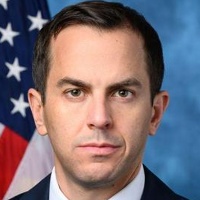
Robert Menendez
Representative
NJ
Robert Menendez
Representative
NJ
This resolution expresses strong support for designating the week of September 15, 2025, as "National Latino Gastronomic Cuisine Week." It formally recognizes the significant cultural diversity and substantial economic impact of Latino culinary traditions across the United States. The bill encourages federal, local, and community groups to promote events that celebrate and raise awareness of this vital heritage.
This bill establishes the National Infrastructure Bank to finance major U.S. infrastructure projects while granting the Bank and its investors favorable federal tax exemptions.
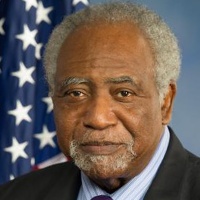
Danny Davis
Representative
IL
Danny Davis
Representative
IL
The National Infrastructure Bank Act of 2025 establishes a new, mixed-ownership federal corporation chartered to finance major infrastructure projects across the nation. This legislation authorizes the Bank to raise substantial capital and issue significant loans to spur economic growth while prioritizing projects in disadvantaged communities. Furthermore, the bill grants the Bank and its specific investors favorable tax exemptions to encourage participation and operation.
The George Floyd Justice in Policing Act of 2025 comprehensively reforms policing by increasing accountability, mandating transparency through data collection, restricting dangerous tactics, and prohibiting sexual misconduct by officials acting under color of law.
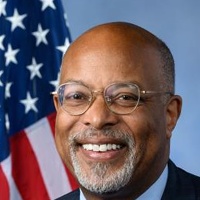
Glenn Ivey
Representative
MD
Glenn Ivey
Representative
MD
The George Floyd Justice in Policing Act of 2025 is a comprehensive bill designed to increase police accountability and transparency nationwide through federal mandates and funding incentives. It reforms standards for prosecuting civil rights violations, eliminates qualified immunity, and establishes national registries for police misconduct and use-of-force data. Furthermore, the Act bans specific dangerous police tactics like chokeholds and restricts the transfer of military equipment to local departments.
This act establishes a pathway to permanent residency for certain immigrant workers who provided essential services following the September 11th terrorist attacks.
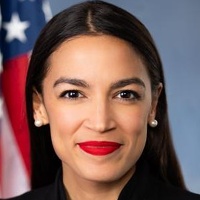
Alexandria Ocasio-Cortez
Representative
NY
Alexandria Ocasio-Cortez
Representative
NY
The 9/11 Immigrant Worker Freedom Act establishes a pathway for certain individuals who provided essential services during the rescue and cleanup efforts following the September 11th terrorist attacks to adjust their status to lawful permanent residents. This relief is available to workers and volunteers who meet specific service hour requirements at the World Trade Center, Pentagon, or Shanksville sites, or those who maintained contaminated vehicles. The bill also mandates fee waivers for eligible applicants and protects their privacy regarding public benefit usage and future immigration enforcement actions.