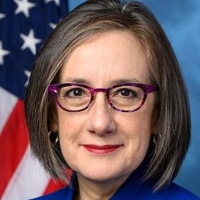
Legislative Activity
Track Andrea's sponsored bills, co-sponsored legislation, and voting record
This bill mandates that federally funded higher education institutions update their harassment policies to explicitly cover technology-facilitated harassment and establishes a competitive grant program to fund anti-harassment initiatives.
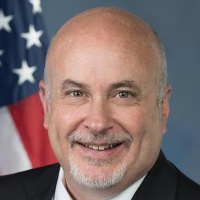
Mark Pocan
Representative
WI
Mark Pocan
Representative
WI
The Tyler Clementi Higher Education Anti-Harassment Act of 2025 mandates that colleges receiving federal funds update their policies to explicitly prohibit and detail procedures for addressing harassment based on protected characteristics, including technology-facilitated abuse. The bill also establishes a competitive grant program, funded up to $50 million annually, to support campus efforts in harassment prevention, training, and support services. This legislation adds new requirements without superseding existing civil rights protections.
This resolution officially recognizes and supports the designation of the third week of September as "Latino Conservation Week" to celebrate the Latino community's vital role in outdoor recreation and natural resource protection.
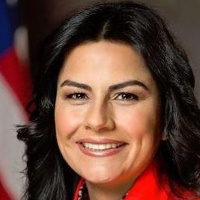
Nanette Barragán
Representative
CA
Nanette Barragán
Representative
CA
This resolution officially recognizes the vital role of the Latino community in outdoor recreation and natural resource protection across the United States. It expresses support for designating the third week of September as "Latino Conservation Week" to celebrate their ongoing commitment to conservation. The bill highlights the importance of ensuring equitable access to nature for all communities.
The Preparing And Retaining All (PARA) Educators Act establishes a federal grant program to help states fund local efforts aimed at recruiting, retaining, and credentialing school paraprofessionals, prioritizing high-need and low-income districts.
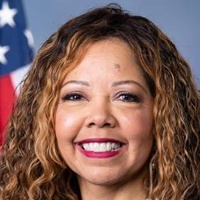
Lucy McBath
Representative
GA
Lucy McBath
Representative
GA
The Preparing And Retaining All (PARA) Educators Act establishes a new federal grant program to help states recruit and retain school paraprofessionals. Funds will be distributed to states based on their existing Title I allocations to support local districts. States must use these competitive subgrants to improve paraprofessional wages, offer professional development, and support credentialing, prioritizing high-need and rural schools. The law requires annual reporting on compensation improvements and retention efforts.
This bill establishes a mechanism to ensure the Federal Aviation Administration remains funded and operational during a lapse in appropriations.
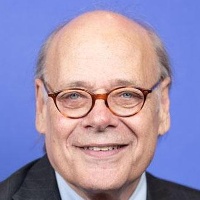
Steve Cohen
Representative
TN
Steve Cohen
Representative
TN
The Aviation Funding Stability Act of 2025 establishes an automatic mechanism to ensure the Federal Aviation Administration (FAA) remains funded during a lapse in appropriations. This allows the FAA to continue essential operations using existing funds from the Airport and Airway Trust Fund until a new budget or continuing resolution is enacted. Funding will cease after 30 days if no new appropriations are passed. This ensures continuity for core FAA programs, including operations, infrastructure, and grants.
This bill mandates dedicated, funded resources for specialized 988 Suicide Prevention Lifeline services for LGBTQ+ youth.
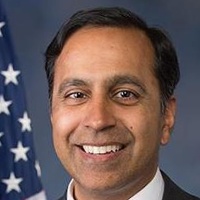
Raja Krishnamoorthi
Representative
IL
Raja Krishnamoorthi
Representative
IL
The **988 LGBTQ+ Youth Access Act of 2025** addresses the high rates of suicide risk among LGBTQ youth by strengthening specialized support through the national crisis hotline. This bill mandates that dedicated resources and services, such as a specific dialing option, must be maintained for LGBTQ individuals contacting 988. Furthermore, it requires that at least 9 percent of appropriated funds for the hotline be specifically reserved to ensure these specialized services for LGBTQ youth remain fully operational.
This constitutional amendment grants Congress and the states the authority to regulate campaign contributions and expenditures, and to establish public financing systems for political campaigns.
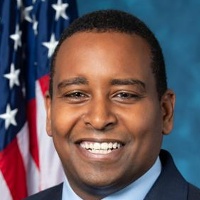
Joe Neguse
Representative
CO
Joe Neguse
Representative
CO
This constitutional amendment seeks to grant Congress and the states the authority to regulate contributions and expenditures in political campaigns. It specifically allows for the establishment of public financing systems to offset the influence of private money in elections. The amendment ensures that any regulations enacted must not infringe upon the freedom of the press.
This bill amends the Social Security Act to provide Medicare coverage for FDA-approved multi-cancer early detection screening tests starting in 2028.
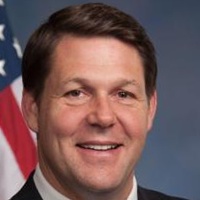
Jodey Arrington
Representative
TX
Jodey Arrington
Representative
TX
The Nancy Gardner Sewell Medicare Multi-Cancer Early Detection Screening Coverage Act amends the Social Security Act to provide Medicare Part B coverage for multi-cancer early detection screening tests starting January 1, 2028. This legislation establishes clear criteria for qualifying tests and outlines payment structures to ensure beneficiaries have access to these advanced diagnostic tools. Importantly, this coverage is designed to complement, rather than replace, existing Medicare-covered cancer screenings.
This Act mandates that new passenger motor vehicles sold in the U.S. must include standard equipment capable of receiving AM broadcast radio signals.

Gus Bilirakis
Representative
FL
Gus Bilirakis
Representative
FL
The AM Radio for Every Vehicle Act of 2025 mandates that the Secretary of Transportation establish a rule requiring AM broadcast radio receivers to be installed as standard equipment in new passenger motor vehicles. This requirement aims to ensure public access to AM radio signals, which are often used for emergency alerts. The bill also directs a GAO study on the effectiveness of AM radio within the national emergency alert system compared to other technologies. Finally, the Act preempts state and local laws on this matter and includes a sunset provision eight years after enactment.
This bill disapproves and nullifies the recent Centers for Medicare & Medicaid Services rule concerning integrity and affordability within the Affordable Care Act marketplaces.
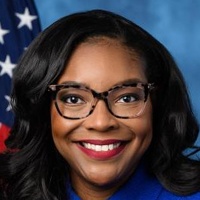
Emilia Sykes
Representative
OH
Emilia Sykes
Representative
OH
This bill expresses the disapproval of Congress regarding a recent rule issued by the Centers for Medicare & Medicaid Services (CMS) concerning the integrity and affordability of the Affordable Care Act marketplaces. Utilizing the Congressional Review Act, this measure immediately cancels the specific CMS regulation. Consequently, the proposed changes to marketplace rules will not take effect.
This bill updates COPS Hiring Program grants to allow local law enforcement agencies to use funds for recruitment and retention bonuses when facing staffing shortages.
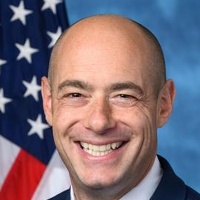
Greg Landsman
Representative
OH
Greg Landsman
Representative
OH
This Act, the Enhancing COPS Hiring Program Grants for Local Law Enforcement Act, updates federal grant guidelines to allow local law enforcement agencies to use public safety funds for hiring and retention bonuses. These bonuses are specifically permitted when departments face significant recruitment challenges or high attrition rates. The bill also clarifies the definition of a "law enforcement officer" for grant eligibility purposes.
This Act establishes new transparency requirements, including public hearings and impact reports, before the Postal Service can close or consolidate contract postal units.
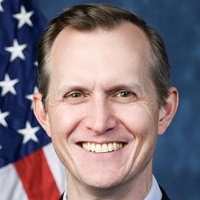
George Whitesides
Representative
CA
George Whitesides
Representative
CA
The Contract Postal Unit Transparency Act establishes new mandatory procedures for the Postal Service when closing or consolidating contract postal units. These new rules require the Postal Service to publish impact reports, hold public hearings, and wait at least 180 days after summarizing public feedback before any closure can take effect. This ensures greater transparency and community input regarding changes to local postal services.
This Act expands the federal funding share for the Bulletproof Vest Partnership Program from 50% to 60% and authorizes $60 million annually for the program through fiscal year 2030.
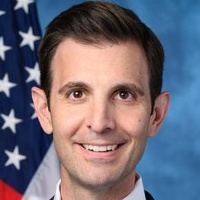
Chris Deluzio
Representative
PA
Chris Deluzio
Representative
PA
The Bipartisan Bulletproof Vest Partnership Program Expansion Act increases the federal share of grant funding for certain public safety activities from 50% to 60%. This change aims to reduce the financial burden on states for purchasing essential equipment. Additionally, the Act authorizes $60 million annually for this program from fiscal years 2026 through 2030.
The FAMILY Act establishes a national paid family and medical leave insurance program administered by the Social Security Administration, providing benefits for caregiving related to serious health conditions or victims of violence.

Rosa DeLauro
Representative
CT
Rosa DeLauro
Representative
CT
The FAMILY Act establishes a national Paid Family and Medical Leave Insurance program administered by a new office within the Social Security Administration. This program provides monthly benefits to eligible individuals who take time off for qualified caregiving reasons, including serious health conditions or victims of violence. The Act also sets forth detailed eligibility requirements, benefit calculation formulas, and job protection guarantees for employees utilizing the leave. Finally, it creates a funding mechanism to support existing state-level paid leave programs that meet federal standards.
This bill updates federal grants to fund training programs that help low-income individuals enter and advance in health care careers, with specific provisions for individuals with past records and maternal health workers.
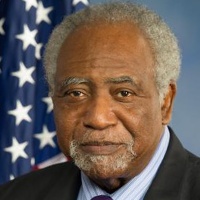
Danny Davis
Representative
IL
Danny Davis
Representative
IL
This bill, the Pathways to Health Careers Act, updates and funds the Health Profession Opportunity Grants (HPOG) program to train low-income individuals for careers in the health professions. It establishes rigorous application requirements for grantees, mandating comprehensive support services like childcare and career coaching to ensure participant success. The legislation also sets aside specific funding for demonstration projects focused on helping individuals with past records and expanding maternal health workforce roles.
This bill establishes the National Infrastructure Bank to finance major U.S. infrastructure projects while granting the Bank and its investors favorable federal tax exemptions.
Danny Davis
Representative
IL
Danny Davis
Representative
IL
The National Infrastructure Bank Act of 2025 establishes a new, mixed-ownership federal corporation chartered to finance major infrastructure projects across the nation. This legislation authorizes the Bank to raise substantial capital and issue significant loans to spur economic growth while prioritizing projects in disadvantaged communities. Furthermore, the bill grants the Bank and its specific investors favorable tax exemptions to encourage participation and operation.
The FAIR Act of 2025 invalidates pre-dispute arbitration agreements and joint-action waivers for employment, consumer, antitrust, and civil rights claims, while preserving the right to voluntary arbitration after a dispute arises.

Henry Johnson
Representative
GA
Henry Johnson
Representative
GA
The FAIR Act of 2025 invalidates pre-dispute arbitration agreements and class action waivers for employment, consumer, antitrust, and civil rights claims. This law restores the right for individuals to pursue these disputes in court or through collective legal action. The provisions apply to all covered disputes arising on or after the date the Act is enacted.
This resolution expresses support for increasing the number of Latino students and young professionals entering and succeeding in science, technology, engineering, and mathematics (STEM) careers.
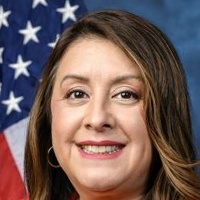
Luz Rivas
Representative
CA
Luz Rivas
Representative
CA
This resolution expresses strong support for increasing the number of Latino students and young professionals entering high-demand careers in science, technology, engineering, and mathematics (STEM). It highlights the significant underrepresentation of Latinos in these vital fields despite their growing presence in the U.S. workforce. The bill encourages federal investment in programs that address barriers and promote STEM education pathways for the Latino community. Ultimately, this focus aims to strengthen the nation's high-skilled workforce and economic competitiveness.
This bill establishes interstate telehealth licensing reciprocity for college mental health providers to offer services to their enrolled students across state lines.
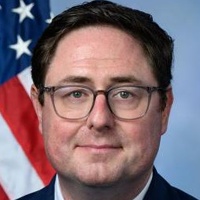
Mike Flood
Representative
NE
Mike Flood
Representative
NE
The College Students Continuation of Mental Health Care Act of 2025 establishes a system for licensing reciprocity, allowing college mental health providers to offer telehealth services to their enrolled students across state lines. This streamlines care by generally adhering to the provider's home state licensing rules, while ensuring patient safety through required disclosures and identity verification. The Act also encourages interstate agreements to further facilitate this cross-state mental health support for students.
This bill posthumously awards a Congressional Gold Medal to honor the groundbreaking civil rights achievements of Constance Baker Motley and authorizes the production and sale of bronze duplicates.
Rosa DeLauro
Representative
CT
Rosa DeLauro
Representative
CT
This bill, the Congressional Tribute to Constance Baker Motley Act of 2025, posthumously awards the Congressional Gold Medal to the pioneering civil rights attorney and federal judge, Constance Baker Motley. The legislation recognizes her historic achievements, including her role in *Brown v. Board of Education* and her service as the first African-American woman appointed as a federal judge. The Secretary of the Treasury is authorized to strike the medal, and provisions are made for selling bronze duplicates to cover production costs.
The Healthcare Workforce Resilience Act recaptures unused employment-based immigrant visas to provide 40,000 reserved visas for professional nurses and physicians, while also expediting their processing without charging premium processing fees.
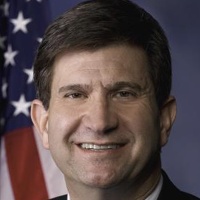
Bradley Schneider
Representative
IL
Bradley Schneider
Representative
IL
The Healthcare Workforce Resilience Act aims to strengthen the U.S. healthcare system by recapturing unused employment-based immigrant visas from 1992 through 2024. This legislation specifically reserves up to 40,000 of these visas for professional nurses and physicians, ensuring they are not subject to annual country caps. The bill also mandates expedited processing for these healthcare professionals without imposing premium processing fees, while requiring employers to attest that hiring these workers will not displace U.S. employees.