Legislative Activity
Track Andrea's sponsored bills, co-sponsored legislation, and voting record
This bill mandates the restoration of free telephone services and communication access for individuals in immigration detention, ensuring contact with family and legal counsel.
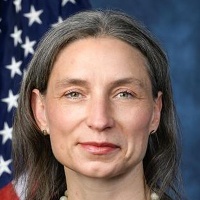
Maxine Dexter
Representative
OR
Maxine Dexter
Representative
OR
The Restoring Access for Detainees Act aims to reinstate and expand free communication services for individuals in civil immigration detention. It mandates the provision of free phone calls, including 200 free outgoing minutes monthly, specifically for contacting family and legal counsel. Furthermore, the bill ensures private, unmonitored communication opportunities with attorneys and certain government officials upon arrival in custody.
This bill establishes a five-year pilot program to expand work-study allowance eligibility for student veterans enrolled at least half-time and mandates annual reporting on participant outcomes.
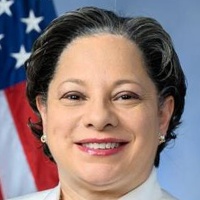
Jennifer McClellan
Representative
VA
Jennifer McClellan
Representative
VA
The Student Veteran Work Study Modernization Act establishes a five-year pilot program to expand eligibility for the VA work-study allowance to veterans pursuing certain educational or training programs at a half-time enrollment level. This allows more student veterans to benefit from work-study opportunities without meeting the current three-quarter-time enrollment requirement. Additionally, the Secretary of Veterans Affairs is required to submit annual reports detailing participation and outcomes for veterans in the work-study program.
This resolution urges the USDA to use its contingency funds and interchange authority to ensure continued funding for the Supplemental Nutrition Assistance Program (SNAP), especially during potential government shutdowns.
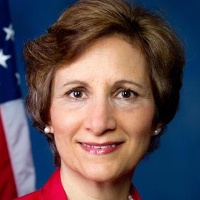
Suzanne Bonamici
Representative
OR
Suzanne Bonamici
Representative
OR
This resolution expresses the sense of the House that the Department of Agriculture should utilize its existing contingency funds and interchange authority to ensure the Supplemental Nutrition Assistance Program (SNAP) remains fully funded. The bill specifically urges the administration to immediately use these resources to finance SNAP operations, particularly during potential government funding lapses. This action is deemed crucial to support millions of vulnerable Americans, including children, seniors, and veterans, who rely on these benefits.
The Births in Custody Reporting Act of 2025 mandates that states receiving federal funds report detailed, anonymized data on pregnant and postpartum inmates to the Attorney General to improve care and public safety.
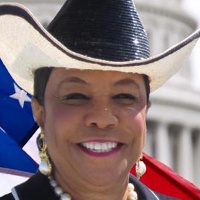
Frederica Wilson
Representative
FL
Frederica Wilson
Representative
FL
The Births in Custody Reporting Act of 2025 mandates that states receiving federal funding must quarterly report detailed, anonymized data to the Attorney General regarding pregnant individuals and those who have given birth in state or local custody. This data includes pregnancy testing, prenatal care, birth outcomes, and the use of restraints during these periods. States failing to comply face potential reductions in federal funding, and the Attorney General must make all reports public and conduct a study on improving inmate care.
This resolution supports the goals of National Domestic Violence Awareness Month, highlights the pervasive and devastating impact of intimate partner violence across all demographics, and calls for increased funding for prevention and support programs.
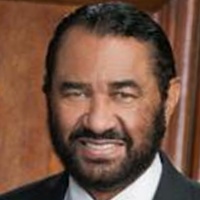
Al Green
Representative
TX
Al Green
Representative
TX
This resolution designates October as National Domestic Violence Awareness Month to highlight the widespread and devastating impact of intimate partner violence across all demographics. It recognizes the urgent need to eliminate domestic violence and supports increased funding for intervention and prevention programs. The resolution underscores the severe physical, emotional, and economic toll this abuse takes on individuals, families, and communities.
This bill extends and modifies various tax credits for energy production, efficiency improvements, and clean vehicle adoption to lower energy costs and support American energy leadership.
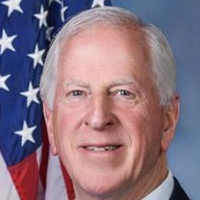
Mike Thompson
Representative
CA
Mike Thompson
Representative
CA
The American Energy Independence and Affordability Act is a comprehensive bill designed to lower energy costs by extending and adjusting key tax incentives across energy production, efficiency, and clean vehicle adoption. It stabilizes support for renewable energy manufacturing, extends deadlines for energy-efficient building credits, and ensures consumer incentives for electric vehicles remain available through 2032. Overall, the legislation aims to provide long-term certainty for energy investments and consumer adoption of cleaner technologies.
This act permanently establishes the structure and staffing of the Office of Head Start to ensure continued comprehensive support for eligible children and families.
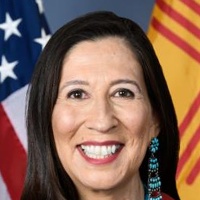
Teresa Leger Fernandez
Representative
NM
Teresa Leger Fernandez
Representative
NM
The Every Child Deserves a Head Start Act of 2025 aims to solidify the foundational support for the Head Start program, recognizing its vital role in early childhood development. This bill permanently establishes the structure and staffing levels of the Office of Head Start, including its 12 regional offices, as they existed before January 20, 2025. The legislation strictly limits the Secretary of Health and Human Services from altering this established structure or reducing staff without specific Congressional notification procedures. Ultimately, the Act ensures the consistent delivery of essential educational and support services to eligible children and families nationwide.
This resolution formally recognizes the vital role of Spanish-language media in informing, connecting, and strengthening diverse communities across the United States.
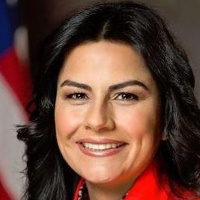
Nanette Barragán
Representative
CA
Nanette Barragán
Representative
CA
This resolution formally recognizes the vital role Spanish-language media plays in informing, educating, and connecting over 41 million Spanish speakers across the United States. It highlights how these outlets strengthen democracy by ensuring broad access to essential information and celebrate the rich cultural contributions of the Latino community. Ultimately, the bill encourages continued support for these crucial media sources nationwide.
This Act mandates that all states must operate the WIC program and guarantees necessary funding through permanent appropriation starting in fiscal year 2026.
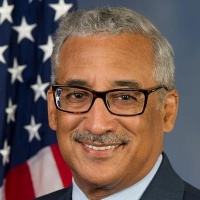
Robert Scott
Representative
VA
Robert Scott
Representative
VA
The WIC Benefits Protection Act mandates that all states must operate the Special Supplemental Nutrition Program for Women, Infants, and Children (WIC). This legislation also guarantees permanent, mandatory funding for WIC starting in fiscal year 2026, ensuring the program has the necessary resources annually. Furthermore, it clarifies eligibility language within the program's governing statute.
This act allows new buyers to assume existing Section 502 rural home loans, releasing the original borrower from all future debt obligations.

Jim Costa
Representative
CA
Jim Costa
Representative
CA
The Rural Homeownership Continuity Act of 2025 allows current homeowners with Section 502 guaranteed loans to transfer their existing mortgage to a qualified new buyer upon selling their property. This provision releases the original borrower from all future liability for the loan upon successful assumption by the new owner. The Secretary is authorized to establish rules for these transfers, including potential fees for loan servicing.
This Act establishes a grant program to fund the development and expansion of non-police mental health crisis response teams.
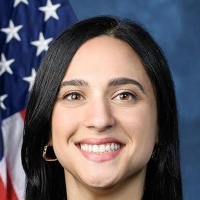
Yassamin Ansari
Representative
AZ
Yassamin Ansari
Representative
AZ
The Mental Health Emergency Responder Act establishes a new federal grant program to help communities develop or expand crisis response systems that prioritize mental health professionals over police involvement. These funds support hiring, training, and integrating specialized co-response teams into 911 and 988 dispatch systems. The program aims to divert individuals in mental health crises away from the criminal justice system, while respecting existing state laws regarding emergency detention.
This Act establishes a grant program to fund community alternatives for mental health crisis response, focusing on health-centered dispatch and specialized response teams.
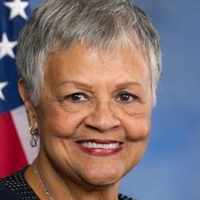
Bonnie Watson Coleman
Representative
NJ
Bonnie Watson Coleman
Representative
NJ
The Mental Health Crisis Response Act of 2025 establishes a new federal grant program to help local governments create health-centered alternatives for responding to mental health emergencies. These funds will support initiatives like integrating mental health professionals into 911 dispatch and streamlining transfers to crisis hotlines. Grantees must report annually on response times, use of force, and diversion to treatment, while the law explicitly preserves existing law enforcement roles.
This bill authorizes the Federal Government to reimburse states for using their own funds to maintain WIC program operations during a lapse in federal appropriations.
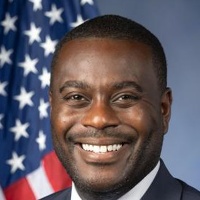
Gabe Amo
Representative
RI
Gabe Amo
Representative
RI
This bill ensures that states are reimbursed by the Federal Government for any state funds they use to maintain essential operations of the Special Supplemental Nutrition Program for Women, Infants, and Children (WIC) during a lapse in federal appropriations. It provides a mechanism for the Federal Government to pay back states that cover WIC costs during a government shutdown. This protects state budgets while keeping vital nutrition assistance running.
This Act temporarily halts certain legal and financial actions against federal employees and their contractors during a government shutdown to protect their civil rights and financial stability.
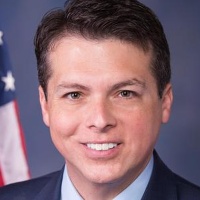
Brendan Boyle
Representative
PA
Brendan Boyle
Representative
PA
The Federal Employees Civil Relief Act aims to protect federal employees and contractors from negative civil actions during a government shutdown. It temporarily pauses various legal and administrative proceedings, including evictions, foreclosures, and debt collections, when a worker is furloughed or working without pay. The bill also grants federal workers the ability to defer income tax payments without penalty and prevents negative credit reporting based on seeking relief under this Act.
This resolution expresses deep concern over the surge in book banning and threats to free expression, urging the immediate restoration of removed materials in federal schools and the repeal of restrictive directives.
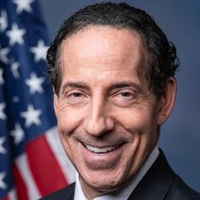
Jamie Raskin
Representative
MD
Jamie Raskin
Representative
MD
This resolution expresses deep concern over the growing trend of book banning and threats to freedom of expression in U.S. schools and libraries. It asserts that such censorship undermines democratic values and harms students by restricting access to diverse ideas and histories. The bill urges local entities to follow best practices for book challenges and calls for the immediate reinstatement of books removed from Department of Defense schools. Ultimately, it reaffirms the nation's commitment to First Amendment rights and the freedom to read.
This resolution declares the need for increased investment in youth mental health and officially recognizes "Youth Mental Health Day" and "Youth Suicide Prevention Day."
Yassamin Ansari
Representative
AZ
Yassamin Ansari
Representative
AZ
This resolution formally acknowledges the critical state of youth mental health in the U.S., citing alarming rates of anxiety, depression, and suicide. It calls for increased investment in mental health support and encourages the designation of specific days to raise awareness. Ultimately, the bill urges federal, state, and local entities to prioritize comprehensive mental health programs for young people.
This resolution officially designates October 8, 2025, as Latina Equal Pay Day to recognize and address the significant wage disparity faced by Latina women compared to White, non-Hispanic men.
Teresa Leger Fernandez
Representative
NM
Teresa Leger Fernandez
Representative
NM
This resolution officially designates October 8, 2025, as Latina Equal Pay Day to highlight the significant wage disparity faced by Latina workers. It recognizes that Latinas currently earn only about 58 cents for every dollar earned by White, non-Hispanic men, resulting in substantial lifetime earnings loss. The bill calls attention to systemic factors like workplace policies and harassment that contribute to this ongoing economic injustice. Ultimately, Congress reaffirms its commitment to achieving pay equity for all women.
This act automatically reinstates Department of Energy financial assistance awards that were previously canceled based on the May 15, 2025 Secretarial Memorandum.
Nanette Barragán
Representative
CA
Nanette Barragán
Representative
CA
The Stop the Trump Electricity Price Hikes Act immediately reinstates financial assistance awards previously canceled by the Department of Energy (DOE). This action specifically reverses cancellations based on the May 15, 2025 Secretarial Memorandum. The bill ensures these awards continue as if they had never been terminated.
This bill requires federal financial regulators to create and quickly disseminate guidance encouraging lenders to offer flexible, fair accommodations to consumers and businesses impacted by a government shutdown.
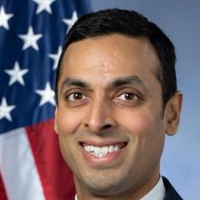
Suhas Subramanyam
Representative
VA
Suhas Subramanyam
Representative
VA
The Shutdown Guidance for Financial Institutions Act requires federal financial regulators to create and issue guidance for banks and lenders on how to support customers and businesses affected by a government shutdown. This guidance must encourage flexible loan adjustments and prevent unfair negative credit reporting for those experiencing income loss due to the lapse in funding. Regulators must also issue rapid alerts when a shutdown occurs and report on the effectiveness of the guidance afterward.
This bill directs NASA and NOAA to expand civilian space cooperation with Taiwan and report annually to Congress on those efforts.
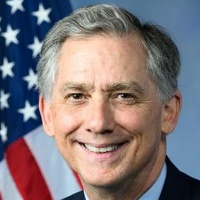
J. Hill
Representative
AR
J. Hill
Representative
AR
The Taiwan and American Space Assistance Act of 2025 directs NASA and NOAA to expand civilian space cooperation with Taiwan. This legislation mandates the initiation of discussions to collaborate on non-military space activities, including satellite programs and weather monitoring. The relevant agencies must report annually to Congress for five years on the progress and scope of this partnership.