Legislative Activity
Track Andrea's sponsored bills, co-sponsored legislation, and voting record
This bill eliminates the federal income tax on Social Security benefits while adjusting the Social Security payroll tax cap and increasing future benefit calculations for high earners starting in 2026.
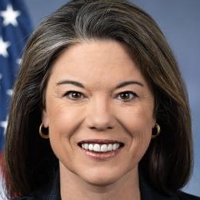
Angie Craig
Representative
MN
Angie Craig
Representative
MN
The You Earned It, You Keep It Act eliminates federal income tax on Social Security benefits while ensuring trust funds remain whole through Treasury appropriations. Starting in 2026, the bill significantly alters the Social Security payroll tax cap for high earners, introducing a new $\$250,000$ threshold for both wage taxation and benefit calculation. Furthermore, it adjusts the benefit formula for future retirees by adding a small bonus based on earnings above $\$250,000$, while protecting access to needs-based programs like SSI and Medicaid.
This act increases federal reimbursement rates by 10 cents per meal or snack served through the Child and Adult Care Food Program and streamlines payment calculations for day care homes.
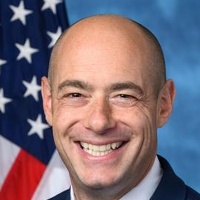
Greg Landsman
Representative
OH
Greg Landsman
Representative
OH
The Child Care Nutrition Enhancement Act of 2025 increases federal support for child care nutrition programs. This bill mandates an additional 10 cents in reimbursement for every meal or snack served through the Child and Adult Care Food Program (CACFP). It also streamlines the calculation methods for payments made to family and group day care homes participating in the program.
This Act improves early childhood nutrition programs by revising eligibility certification for proprietary centers, streamlining serious deficiency reviews, adjusting meal reimbursement limits, updating inflation calculations, and establishing an advisory committee to reduce paperwork burdens.
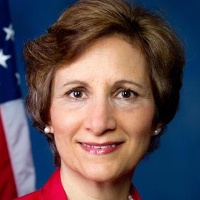
Suzanne Bonamici
Representative
OR
Suzanne Bonamici
Representative
OR
The Early Childhood Nutrition Improvement Act aims to strengthen federal nutrition programs for children by clarifying eligibility rules for for-profit childcare centers and mandating a comprehensive review of serious deficiency processes to ensure fairness and reduce unnecessary state-level burdens. The bill also adjusts meal reimbursement limits, updates inflation tracking for program costs, and establishes an advisory committee to drastically reduce paperwork and modernize administrative requirements for providers. These changes seek to streamline operations, improve consistency, and better support child care providers participating in federal meal programs.
This bill grants enhanced due process protections and potential reinstatement rights to certain federal employees removed during their probationary period following a promotion.
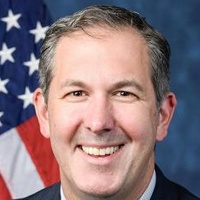
Johnny Olszewski
Representative
MD
Johnny Olszewski
Representative
MD
This bill provides enhanced employment protections and reinstatement options for certain Federal career employees who were serving under a probationary period following a promotion. It grants these employees standard due process rights against unfair removal while on probation. Furthermore, it allows employees removed between January 20, 2025, and the date of enactment to elect reinstatement to their former or an equivalent position with back pay. These protections generally exclude those promoted into or removed from political positions.
The Vote at Home Act of 2025 mandates that states mail federal election ballots to all registered voters two weeks before the election, provides free postage for these ballots, and establishes automatic voter registration through motor vehicle departments.
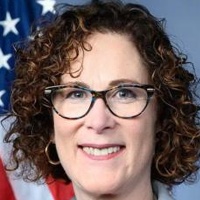
Valerie Hoyle
Representative
OR
Valerie Hoyle
Representative
OR
The Vote at Home Act of 2025 aims to expand access to federal elections by mandating that states mail ballots to all registered voters two weeks before election day and provide free return postage. It also modernizes voter registration by requiring motor vehicle departments to streamline registration forms and automatically register eligible citizens who provide proof of citizenship when obtaining or renewing a driver's license. These provisions are intended to increase voter turnout, reduce in-person lines, and lower administrative costs.
This bill permanently prohibits new and existing oil and gas leasing for drilling in designated Arctic areas of the outer Continental Shelf.
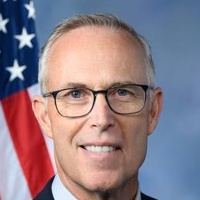
Jared Huffman
Representative
CA
Jared Huffman
Representative
CA
The Stop Arctic Ocean Drilling Act of 2025 permanently prohibits the issuance of new oil and gas leases, or the extension of existing ones, for mineral exploration and production in designated Arctic areas of the outer Continental Shelf. This measure establishes an ironclad ban on offshore drilling in these specific Arctic waters.
This bill terminates specific prior presidential tariff orders and requires Congressional approval for the President to impose new trade barriers or withdraw existing trade agreement concessions.
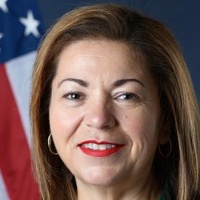
Linda Sánchez
Representative
CA
Linda Sánchez
Representative
CA
This Act immediately terminates specific existing presidential executive orders imposing tariffs. It requires Congressional approval via a fast-tracked joint resolution before the President can impose new trade barriers or withdraw existing trade agreement concessions. This ensures major new trade restrictions require legislative authorization, except in cases involving existing anti-dumping enforcement or specific trade dispute rulings.
This resolution expresses Congressional support for library staff, recognizes the essential community services libraries provide, and defends the right of all citizens to freely access information.
Pramila Jayapal
Representative
WA
Pramila Jayapal
Representative
WA
This resolution expresses strong support for library staff and the essential, expanded community services libraries provide, from social support to digital access. It calls for funding commensurate with these vital roles and defends the right of all citizens to freely access information. Furthermore, the bill supports the civil rights and union voice of library workers against threats and censorship.
This act permanently bans new oil and gas leasing for exploration, development, and production in the North Atlantic, Mid-Atlantic, South Atlantic, and Straits of Florida planning areas of the Outer Continental Shelf.
Frank Pallone
Representative
NJ
Frank Pallone
Representative
NJ
The Clean Ocean And Safe Tourism Anti-Drilling Act of 2025 (COAST Anti-Drilling Act) permanently prohibits new oil and gas leasing activities on the Outer Continental Shelf in the North Atlantic, Mid-Atlantic, South Atlantic, and Straits of Florida planning areas. This legislation ensures these specific ocean regions are protected from future exploration and development.
This resolution supports designating April 10th as "Dolores Huerta Day" to honor the lifelong accomplishments and legacy of the trailblazing labor and civil rights leader.
Sylvia Garcia
Representative
TX
Sylvia Garcia
Representative
TX
This resolution supports the designation of April 10th as "Dolores Huerta Day" to honor her legacy as a trailblazing labor and civil rights leader. It recognizes her foundational work co-founding the United Farm Workers and her lifelong fight for economic justice, workers' rights, and equality. The bill formally celebrates her accomplishments without creating new laws or programs.
This Act permanently prohibits new oil and gas exploration, development, and production on the Outer Continental Shelf off the coasts of California, Oregon, and Washington.
Jared Huffman
Representative
CA
Jared Huffman
Representative
CA
The West Coast Ocean Protection Act of 2025 permanently prohibits all new oil and gas exploration, development, and production on the Outer Continental Shelf off the coasts of California, Oregon, and Washington. This legislation specifically bans the Secretary of the Interior from issuing any new leases or permissions for drilling activities in designated planning areas. The goal is to secure long-term protection for these vital West Coast marine environments.
The WISE Act aims to remove barriers for immigrant survivors of crime and abuse seeking legal status, while significantly reforming and expanding protections within the U-visa program and other victim-based immigration relief.
Pramila Jayapal
Representative
WA
Pramila Jayapal
Representative
WA
The Working for Immigrant Safety and Empowerment (WISE) Act aims to strengthen protections and streamline legal pathways for non-citizen survivors of crime and abuse, including domestic violence and trafficking. The bill reforms the U-visa program by eliminating its annual cap and speeding up work authorization for victims. It also establishes new protections against detention and deportation for victims with pending humanitarian applications and expands access to public benefits for certain lawfully present noncitizens.
The SERVICE Act significantly overhauls Public Service Loan Forgiveness (PSLF) by lowering the required payment count to 96 months, broadening what counts as a qualifying payment, allowing buybacks for missed payments, and establishing an online portal for tracking progress.
Joe Courtney
Representative
CT
Joe Courtney
Representative
CT
The SERVICE Act significantly overhauls Public Service Loan Forgiveness (PSLF) by lowering the required payment count from 120 to 96 months and broadening what counts as a qualifying payment, including certain forbearance periods. It also introduces a "buyback" option allowing borrowers to purchase credit for past non-payment months worked in public service. Furthermore, the bill mandates the creation of an online borrower portal for tracking progress and stops the capitalization of interest following deferment or forbearance.
This act increases the maximum loan amounts available to small businesses under certain SBA programs and mandates annual reporting on the distribution of those enhanced loans.
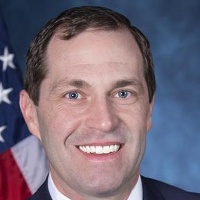
Jason Crow
Representative
CO
Jason Crow
Representative
CO
The Small Business Energy Loan Enhancement Act significantly increases the maximum loan amounts available to eligible small businesses under specific Small Business Administration (SBA) programs, raising the limit from $\$5.5$ million to $\$10$ million. This legislation also mandates that the SBA report annually to Congress detailing the industries and geographic areas benefiting from these enhanced loan categories. The goal is to provide greater financial resources for small businesses through SBA lending.
This bill prohibits the use of federal funds for military parades in D.C. celebrating the personal birthday of any individual, including the President.
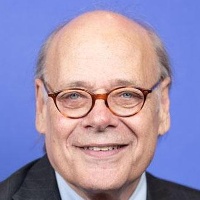
Steve Cohen
Representative
TN
Steve Cohen
Representative
TN
This bill prohibits the use of federal funds for military parades in Washington D.C. intended to celebrate the personal birthday or achievement of any single individual. Congress argues that such events risk significant taxpayer expense and infrastructure damage for personal glorification. Instead, the bill suggests the President celebrate with low-key activities like cake or golf.
The Gas-Operated Semi-Automatic Firearms Exclusion (GOSAFE) Act prohibits the manufacture, sale, and possession of certain gas-operated semi-automatic firearms and large-capacity ammunition feeding devices, while establishing a formal process for firearm determinations and funding buy-back programs.
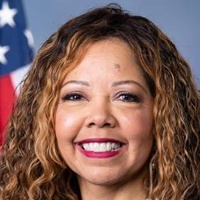
Lucy McBath
Representative
GA
Lucy McBath
Representative
GA
The Gas-Operated Semi-Automatic Firearms Exclusion Act (GOSAFE Act) prohibits the manufacture, sale, and possession of certain gas-operated semi-automatic firearms and large-capacity ammunition feeding devices (over 10 rounds). The bill establishes a formal process managed by the Attorney General and ATF to list prohibited firearms, while grandfathering existing possessions under strict transfer rules. Furthermore, it permits states to use federal Byrne grants for voluntary buy-back programs targeting these newly restricted items. Violations carry significant fines and potential prison sentences.
This resolution urges the United States to lead global efforts to halt the nuclear arms race, reduce existing stockpiles, and implement verifiable measures to prevent nuclear war.
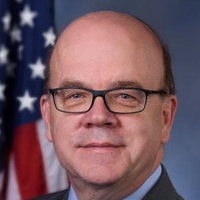
James McGovern
Representative
MA
James McGovern
Representative
MA
This resolution urges the United States to immediately prioritize global nuclear disarmament and lead the world back from the brink of nuclear war. It calls on the President to negotiate verifiable arms reduction treaties with all nuclear states to halt the arms race and prevent catastrophic conflict. Key actions include renouncing "first use," ending hair-trigger alert postures, and ceasing the development of new nuclear weapons. Furthermore, the bill demands comprehensive support, cleanup, and economic transition planning for communities and workers affected by past and present nuclear activities.
This Act authorizes states to allow qualified conservation organizations to acquire, hold, and manage conservation easements under the Forest Legacy Program.

John Garamendi
Representative
CA
John Garamendi
Representative
CA
The Forest Legacy Management Flexibility Act grants states the authority to allow qualified conservation organizations to acquire, hold, and manage conservation easements under the Forest Legacy Program. This allows states to partner with accredited, conservation-focused groups to enhance forest protection efforts. The bill establishes clear criteria for these organizations and outlines conditions under which easement rights would revert to the state if management responsibilities are not met.
This act bans bump stocks and similar devices that increase the firing rate of semi-automatic firearms, requiring registration for any previously modified weapons.
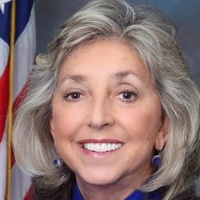
Dina Titus
Representative
NV
Dina Titus
Representative
NV
The Closing the Bump Stock Loophole Act of 2025 seeks to amend federal gun laws by banning devices and modifications that significantly increase the rate of fire of semiautomatic firearms, effectively treating them like machineguns. The bill specifically prohibits the manufacture, sale, or possession of such accessories and modified firearms after 120 days of enactment. Existing owners of previously modified firearms must register them under the National Firearms Act within that same timeframe to legally keep them.
This bill establishes the American Family Act, which revamps the Child Tax Credit into a system of refundable monthly advance payments for qualifying children and a separate credit for other dependents.
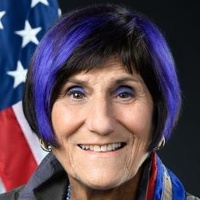
Rosa DeLauro
Representative
CT
Rosa DeLauro
Representative
CT
The American Family Act fundamentally overhauls the Child Tax Credit by replacing the annual lump sum with a system of advance, refundable monthly payments delivered directly to families. These monthly allowances vary based on the child's age, with higher amounts provided for younger children. The bill also establishes a separate, smaller credit for other dependents and outlines procedures for annual renewal and reconciliation of advance payments when filing taxes.