Legislative Activity
Track Andrea's sponsored bills, co-sponsored legislation, and voting record
This resolution recognizes the history, cultural identity, and significant contributions of the Chicano and Chicana community while supporting the designation of August as Chicano/Chicana Heritage Month.
J. Correa
Representative
CA
J. Correa
Representative
CA
This resolution recognizes the history, cultural identity, and significant contributions of the Chicano and Chicana community to the United States. It designates August as "Chicano/Chicana Heritage Month" to celebrate the community's profound impact on science, labor, education, and the arts. Furthermore, the bill highlights the ongoing struggle for civil rights and encourages nationwide observance to honor the Mexican-American experience.
The Wildfire Response and Readiness Act establishes a comprehensive national framework to expand prescribed fire programs, enhance forest restoration, improve community resilience, and provide critical support and safety protections for the wildland firefighting workforce.
Joe Neguse
Representative
CO
Joe Neguse
Representative
CO
The Wildfire Response and Readiness Act is a comprehensive legislative package designed to modernize federal wildfire management, enhance community resilience, and improve support for the wildland firefighting workforce. The bill expands the use of prescribed fire, increases funding for forest restoration and post-fire recovery, and streamlines federal grant programs for home hardening and community protection. Additionally, it establishes new health, safety, and retirement benefits for federal firefighters while investing in advanced wildfire detection technology and public health protections against smoke.
The Protect American Values Act prohibits the use of federal funds to implement or enforce the Department of Homeland Security’s "Public Charge Ground of Inadmissibility" rule.
Judy Chu
Representative
CA
Judy Chu
Representative
CA
The Protect American Values Act seeks to block the implementation and enforcement of the Department of Homeland Security’s "Public Charge Ground of Inadmissibility" rule. The bill asserts that this policy harms immigrant families and local economies by restricting access to essential food, housing, and medical care. Consequently, it prohibits the use of federal funds to carry out or administer the rule.
The Understanding AI in the Classroom Act directs the National Science Foundation to host workshops and report on the potential impacts and developmental risks of integrating artificial intelligence into K-12 education.
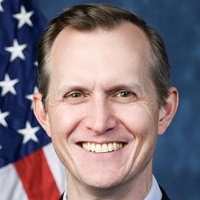
George Whitesides
Representative
CA
George Whitesides
Representative
CA
The Understanding AI in the Classroom Act directs the National Science Foundation to host workshops identifying critical research gaps regarding the impact of artificial intelligence on child development and learning. Following these sessions, the Foundation will publish a comprehensive report detailing how AI integration affects students' cognitive, social, and behavioral well-being. This legislation aims to ensure educators and policymakers better understand the potential risks and effects of AI in educational settings.
The "No TSA Data for ICE Act" prohibits the Department of Homeland Security from sharing TSA passenger data with immigration enforcement agencies and protects Trusted Traveler program participants from retaliation for exercising their First Amendment rights.
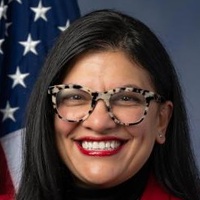
Rashida Tlaib
Representative
MI
Rashida Tlaib
Representative
MI
The "No TSA Data for ICE Act" prohibits the Department of Homeland Security from sharing sensitive passenger data from the TSA or private brokers with immigration enforcement agencies. Additionally, the bill protects participants in Trusted Traveler programs by preventing the government from suspending or denying enrollment based on an individual's participation in First Amendment-protected activities.
The Spotted Wing Abatement Trust Act of 2026 establishes a $6.5 million annual fund within the Department of Agriculture to support research and mitigation efforts against the invasive spotted wing drosophila pest.
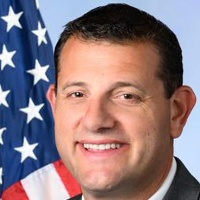
David Valadao
Representative
CA
David Valadao
Representative
CA
The Spotted Wing Abatement Trust (SWAT) Act of 2026 establishes a dedicated Department of Agriculture fund to combat the invasive spotted wing drosophila, which causes significant economic damage to U.S. fruit crops. The legislation authorizes $6.5 million annually for five years to support research and mitigation efforts aimed at controlling the pest.
The TPS Review Act strengthens judicial oversight and establishes congressional review for decisions to terminate Temporary Protected Status, ensuring that such actions are evidence-based and subject to legal challenge.
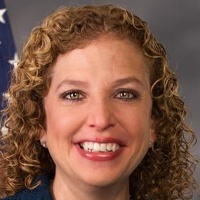
Debbie Wasserman Schultz
Representative
FL
Debbie Wasserman Schultz
Representative
FL
The Temporary Protected Status (TPS) Review Act strengthens oversight of government decisions to terminate TPS designations by reinstating judicial review and requiring that such decisions be supported by a comprehensive administrative record. The bill also subjects TPS terminations to congressional review under the Congressional Review Act, ensuring these decisions are subject to greater accountability. Additionally, it provides legal protections for beneficiaries by automatically staying terminations during the pendency of any legal challenges.
This bill prohibits domestic business entities with significant foreign ownership or influence from contributing to U.S. elections and mandates strict certification requirements to ensure political spending is free from foreign control.
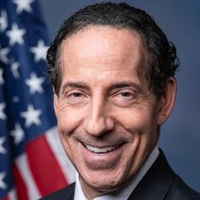
Jamie Raskin
Representative
MD
Jamie Raskin
Representative
MD
The Get Foreign Money Out of United States Elections Act strengthens existing laws to prevent foreign influence in American elections. It expands the ban on foreign contributions to include domestic companies with significant foreign ownership or control and mandates strict certification requirements for corporate political action committees. These measures ensure that foreign entities cannot influence federal, state, or local elections through direct spending, ballot initiatives, or Super PACs.
This bill authorizes a seven-year grant program for the National Law Enforcement Officers Memorial Fund to support the National Law Enforcement Museum’s educational, community outreach, and officer wellness initiatives.
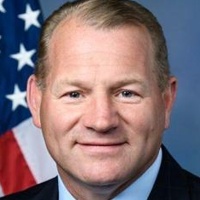
Troy Nehls
Representative
TX
Troy Nehls
Representative
TX
The National Law Enforcement Officers Remembrance, Support, and Community Outreach Act authorizes $6 million in annual grants over seven years to the National Law Enforcement Officers Memorial Fund. These funds will support the National Law Enforcement Museum’s public education, community outreach, and officer safety and wellness programs. As a condition of the grant, the museum must provide free admission to law enforcement officers and their families, as well as dedicated free hours for the general public.
The Wildfire Reduction Market Expansion Act of 2026 amends the Clean Air Act to expand the definition of "renewable biomass," incentivizing the use of forest management by-products and wildfire risk-reduction materials for renewable energy.
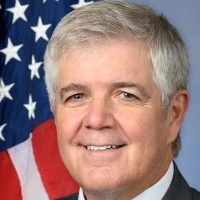
Cliff Bentz
Representative
OR
Cliff Bentz
Representative
OR
The Wildfire Reduction Market Expansion Act of 2026 amends the Clean Air Act to broaden the definition of "renewable biomass." By including forest manufacturing by-products, wildfire risk-reduction materials, and vegetation from defensible spaces, the bill incentivizes the removal of hazardous fuels from public and private lands. This legislation streamlines the certification process to support sustainable forest management and expand the market for renewable energy feedstocks.
The "Combating Illicit Xylazine Act" aims to combat the misuse of xylazine by adding it to Schedule III of the Controlled Substances Act, tracking its distribution, and ensuring appropriate penalties for related offenses, while also protecting legitimate veterinary use.
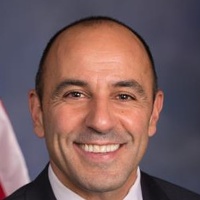
Jimmy Panetta
Representative
CA
Jimmy Panetta
Representative
CA
The "Combating Illicit Xylazine Act" aims to combat the illegal use of xylazine by adding it to Schedule III of the Controlled Substances Act, which would allow for increased regulation and tracking of the substance. The bill includes exemptions and delayed effective dates for certain requirements to ease the transition for legitimate users, such as veterinarians and animal handlers. It also directs the Sentencing Commission to review sentencing guidelines for xylazine-related offenses and mandates reports to Congress on the prevalence and impact of illicit xylazine use. Finally, it will include xylazine in Arcos tracking.
The Geo POWER Act establishes a Milestone-Based Geothermal Demonstration Program to accelerate the commercialization of next-generation geothermal technologies through innovative, milestone-based financing for projects in new regions.
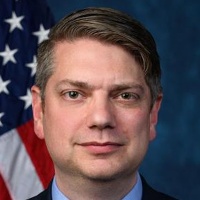
Nicholas Begich
Representative
AK
Nicholas Begich
Representative
AK
The Geo POWER Act aims to accelerate the commercialization of next-generation geothermal energy by establishing a Milestone-Based Geothermal Demonstration Program. This program will provide innovative, milestone-based financing to overcome high upfront costs for geothermal exploration and drilling in new regions. The goal is to generate public data and catalyze demonstration projects across diverse geologies to reduce risk and attract private investment.
This resolution recognizes July 21, 2026, as Black Women’s Equal Pay Day to raise awareness of the persistent wage gap and reaffirm the commitment to achieving pay equity.
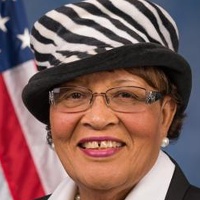
Alma Adams
Representative
NC
Alma Adams
Representative
NC
This resolution recognizes July 21, 2026, as Black Women’s Equal Pay Day to highlight the persistent and significant wage gap between Black women and white, non-Hispanic men. It calls attention to the systemic racial and gender-based barriers contributing to this disparity and reaffirms a commitment to achieving true pay equity.
This bill authorizes $150 million annually through 2031 to modernize geothermal energy research, expand data sharing, and accelerate the development and commercial deployment of next-generation and supercritical geothermal technologies.
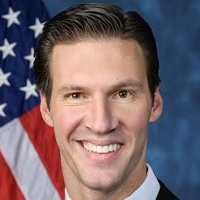
Pat Harrigan
Representative
NC
Pat Harrigan
Representative
NC
The Next-Generation Geothermal Research and Development Act modernizes federal geothermal energy programs by expanding research into advanced technologies like closed-loop and supercritical systems. The bill authorizes $150 million annually through 2031 to improve data collection, establish a center of excellence, and accelerate the commercial deployment of next-generation geothermal energy. Additionally, it mandates updated resource assessments and interagency cooperation to better map and utilize the nation's subsurface heat potential.
This bill mandates electronic prior authorization, increases transparency through required data reporting, and establishes faster decision timelines for Medicare Advantage plans to improve timely access to care for seniors.
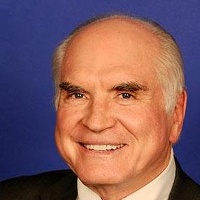
Mike Kelly
Representative
PA
Mike Kelly
Representative
PA
The Improving Seniors’ Timely Access to Care Act of 2025 aims to streamline and modernize the prior authorization process within Medicare Advantage plans. This bill mandates the adoption of electronic prior authorization systems and significantly increases transparency regarding approval rates and decision times starting in 2027. Furthermore, it establishes new enrollee protections and grants the Secretary authority to enforce faster decision timeframes for medical services.
This resolution designates July 10th as Journeyman Lineworkers Recognition Day to honor the essential service and sacrifices of the professionals who maintain our nation’s power grid.

Linda Sánchez
Representative
CA
Linda Sánchez
Representative
CA
This resolution designates July 10th as Journeyman Lineworkers Recognition Day to honor the essential, high-risk work performed by these skilled professionals. It pays tribute to the lineworkers who provide critical service during emergencies and recognizes those who have made the ultimate sacrifice in the line of duty.
The Fresh Bucks for Fresh Produce Act establishes a pilot program providing low-income households with $60 in monthly benefits to increase access to fresh fruits and vegetables at local retailers.

Pramila Jayapal
Representative
WA
Pramila Jayapal
Representative
WA
The Fresh Bucks for Fresh Produce Act establishes a federal pilot program that provides $60 in monthly benefits to low-income households for the purchase of fresh fruits and vegetables. By awarding grants to states, the program aims to increase food security, expand access to healthy produce, and support local retailers in underserved communities.
The Original LGBTQIA+ Pride Month Resolution of 2026 honors the history, contributions, and ongoing civil rights struggles of the LGBTQIA+ community while reaffirming Congress's commitment to equality and human rights.
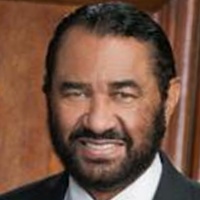
Al Green
Representative
TX
Al Green
Representative
TX
The Original LGBTQIA+ Pride Month Resolution of 2026 honors the history, contributions, and ongoing struggles of the LGBTQIA+ community. The resolution reaffirms that LGBTQIA+ rights are human rights and emphasizes the necessity of ensuring equality for all citizens. By documenting key civil rights milestones and current challenges, it encourages the nation to celebrate Pride Month as a time to reflect on the progress made and the work still required to achieve full equality.
The CREATE AI Act of 2025 establishes the National Artificial Intelligence Research Resource (NAIRR) to democratize access to essential AI computing power and data for diverse U.S. researchers, students, and small businesses.
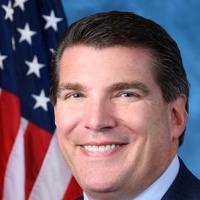
Jay Obernolte
Representative
CA
Jay Obernolte
Representative
CA
The CREATE AI Act of 2025 establishes the National Artificial Intelligence Research Resource (NAIRR) to democratize access to the high-powered computing and data necessary for advanced AI research. This resource will be managed by a non-governmental Operating Entity overseen by a new Steering Subcommittee. The goal is to broaden participation in AI development beyond large tech companies to maintain U.S. leadership and ensure AI benefits all Americans. Access will be prioritized for U.S.-affiliated researchers, educators, and students, with specific provisions for ethics, security, and privacy reviews.
The NSF AI Education Act of 2025 expands National Science Foundation support for AI education through new scholarships, industry fellowships, community college centers of excellence, and research awards for K-12 AI integration.
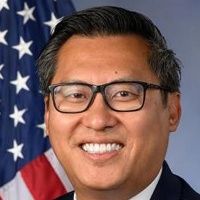
Vince Fong
Representative
CA
Vince Fong
Representative
CA
The NSF AI Education Act of 2025 significantly expands the National Science Foundation's role in bolstering the AI workforce through education and training. It establishes new scholarships and fellowships for students and professionals in AI-related fields, while also creating Centers of AI Excellence at community colleges and technical schools. Furthermore, the bill funds research awards to develop effective AI teaching methods and materials for K-12 education. Overall, this legislation aims to build a robust, skilled, and diverse AI talent pipeline across all educational levels.